Hampton Roads does not need a hard freeze for rodent activity to move indoors. Our fall 2026 projection is for more homeowner reports as late-summer warmth gives way to cooler nights, especially where a property combines shelter, moisture, food, and an overlooked opening. This is a seasonal planning read, not a live count of rats or mice. The useful question is where your home gives them a route before the weather makes that route obvious.
That route looks different in Norfolk, Virginia Beach, Chesapeake, Portsmouth, Suffolk, and Hampton. A home beside a tidal creek has a different exposure than a new subdivision beside harvested fields. An older house with a raised foundation has different entry points than a slab home with an attached garage. Our Norfolk rodent control, Chesapeake rodent control, and Suffolk rodent control work starts with those differences rather than treating every seasonal report as the same problem.
What the fall and winter projection means
Expect the first meaningful shift as late-summer warmth gives way to the first sustained cool stretch. Mice and rats that have been using yards, sheds, tree lines, marsh edges, or agricultural cover may investigate warmer, quieter spaces under floors and above ceilings. In Hampton Roads, a mild winter can extend that indoor-outdoor movement instead of ending it with one long freeze.
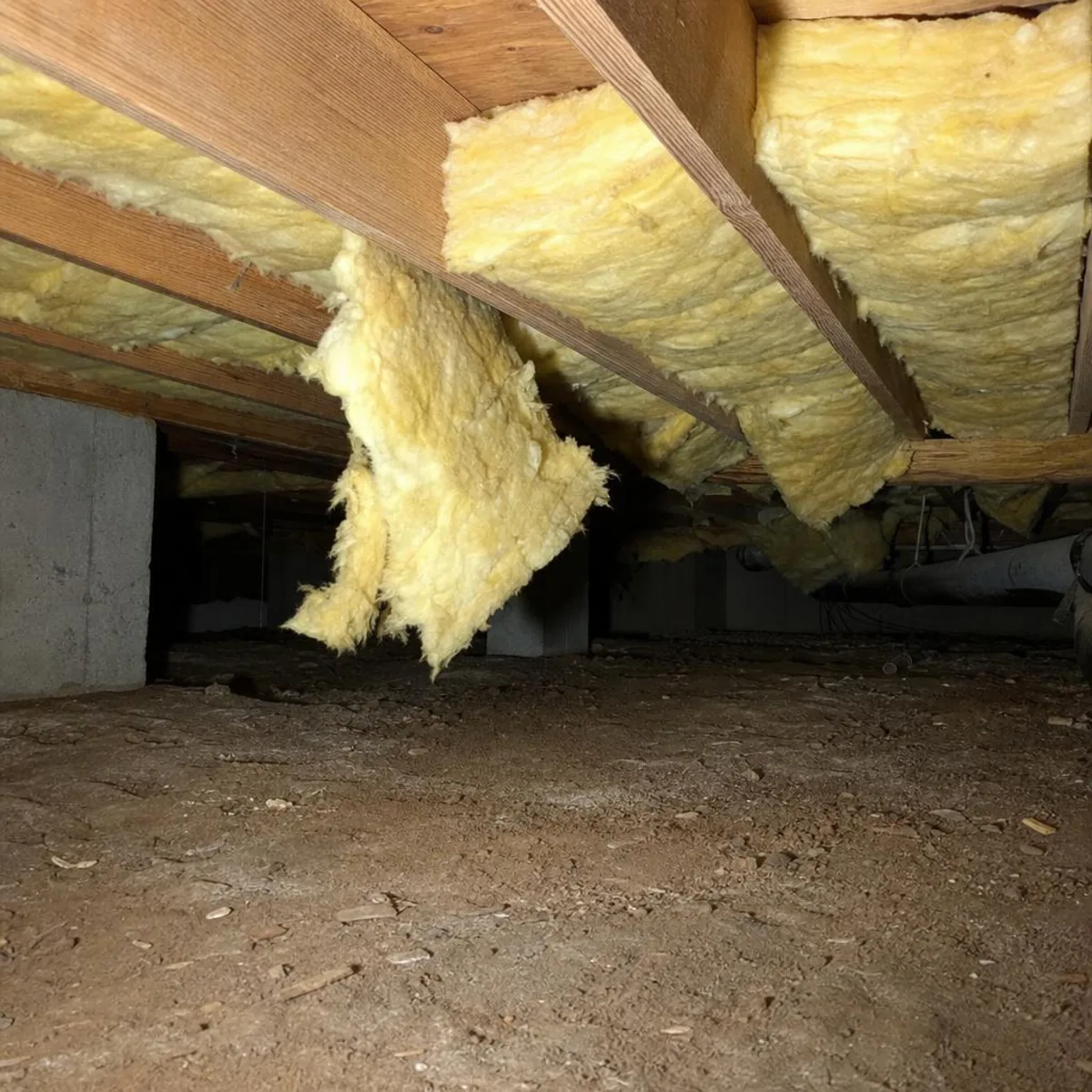
By the middle of the cool season, the most visible signs are often not an animal sighting. Homeowners may notice scratching at night, a new odor, droppings along a wall or in a garage, shredded insulation, or gnawing near wiring and flexible ductwork. Intermittent warm weather can make activity seem to disappear and return. That does not prove the animals are gone; it may mean the route has not been found yet.
Three Hampton Roads conditions that shape the projection
1. Tidal creeks, marsh edges, and bulkheaded lots
Water alone does not make a property a rodent problem, but waterfront terrain can provide cover, drainage features, dense vegetation, docks, and structural edges that deserve an inspection. In Norfolk, the Lafayette River, Eastern Branch of the Elizabeth River, and Broad Creek sit near neighborhoods such as Larchmont, Ghent, and Riverview. In Virginia Beach, the Lynnhaven River basin, Linkhorn Bay, and Little Creek connect wooded and marshy edges to homes, garages, and rooflines. Portsmouth properties near Paradise Creek, St. Julian’s Creek, the Western Branch, and older parts of Olde Towne can have a different mix of bulkheads, stormwater infrastructure, historic gaps, and crawl-space access.
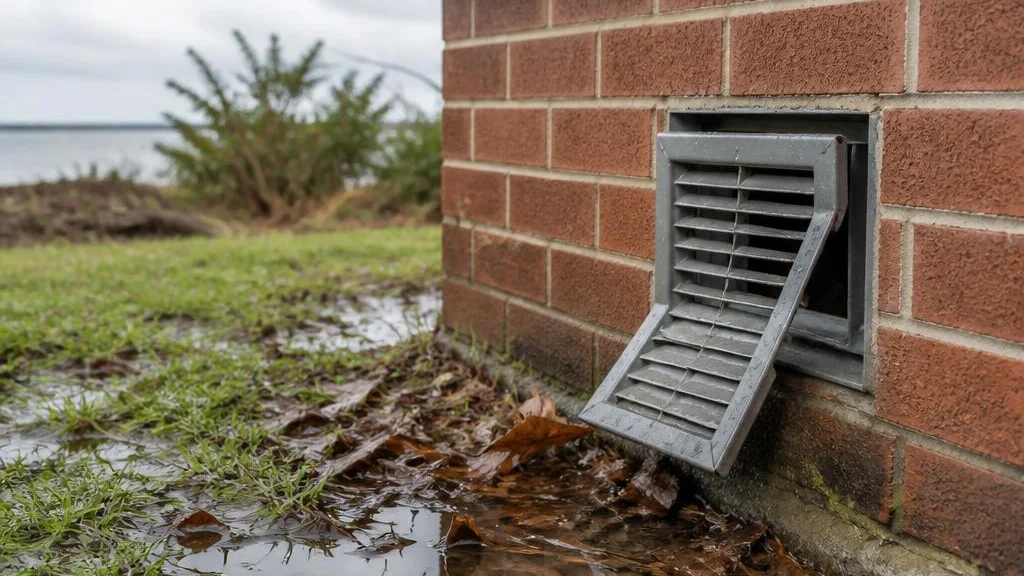
The practical fall check is not to assume a waterway caused an infestation. Look for the building connection: a damaged foundation vent, an access door that does not close, a gap around a pipe, a garage threshold, or branches that touch the roof. A Portsmouth rodent inspection or a local inspection elsewhere in the region should identify the route before anyone starts replacing insulation or sealing a random hole.
2. Farm-to-subdivision edges in Chesapeake and Suffolk
Great Bridge, Hickory, and Deep Creek sit alongside a mix of established neighborhoods, open land, drainage, and newer construction. Suffolk adds large transition areas around Harbour View, Chuckatuck, and Whaleyville where homes can meet fields, pine stands, or recently disturbed ground. When crops are harvested, vegetation is cut, or a parcel is cleared, small animals may lose cover and investigate the nearest protected structure. That does not mean every new subdivision will see a surge, but it does make foundation gaps, garage corners, crawl spaces, and storage areas worth checking before winter.
New construction is not automatically rodent-proof. A home can have a clean interior and still have an opening at a utility penetration, a garage-to-house transition, a roof return, or a crawl-space vent. The inspection should follow the exterior envelope and the evidence, not just the age of the home.
3. Older foundations, crawl spaces, and roof canopies
Older Norfolk and Portsmouth neighborhoods can have settled masonry, sill-plate gaps, porch additions, basement openings, or screens that have weakened over time. Raised coastal homes in Virginia Beach and Hampton often depend on crawl-space doors and vents staying screened. Around Great Neck, Little Neck, and other wooded parts of Virginia Beach, roof rats can also use branches and roofline transitions to reach attics. These are building-and-landscape combinations, not neighborhood-wide diagnoses.
Slab homes have their own inspection priorities: garage-door seals, exterior door sweeps, utility penetrations, and wall voids. A crawl-space home may need attention at the access door, foundation vents, plumbing penetrations, and the transition where a porch or addition meets the original foundation. The right exclusion material depends on the opening; expanding foam by itself is not a durable answer to a route that teeth can reopen.
How the season may unfold
| Window | Likely homeowner signal | Best response |
|---|---|---|
| First sustained cool stretch | New exterior signs, garage activity, or brief scratching after cool evenings | Walk the roofline, foundation edge, vents, access door, and garage threshold from a safe position |
| Middle of the cool season | Night noise, droppings, odor, shredded insulation, or repeated indoor sightings | Identify current activity and the entry route before cleanup or permanent repairs |
| Mild winter stretches | Signs appear intermittent, then return after rain or another cool-down | Do not treat a quiet week as proof the route is closed; recheck evidence and exclusion work |
Published rodent service prices
Our published figures describe the services we actually offer, but they are planning figures rather than a promise that every property receives the same scope. A quote still depends on the property, evidence, access, and work required.
- Rodent exclusion: $99 – $1,495 for whole-home exclusion work, with the final scope determined by the entry points and repairs needed.
- Rodent repellent barrier: $75 per service as a standalone published price.
- One-time initial treatment: $87 – $287 for an active infestation treatment visit.
- Active rat start-up: $125 – $225 added to the initial treatment when the problem is an active rat infestation. A higher membership tier can discount this addition.
Encapsulation is a separate moisture-control project, not a substitute for rodent exclusion. Where a crawl space needs that larger project, the published crawl-space encapsulation range is $3,000 – $10,000. The sequence still matters: identify current activity, address the route, then decide whether insulation, ductwork, cleanup, or moisture work also needs attention.
What to check before the first cold snap
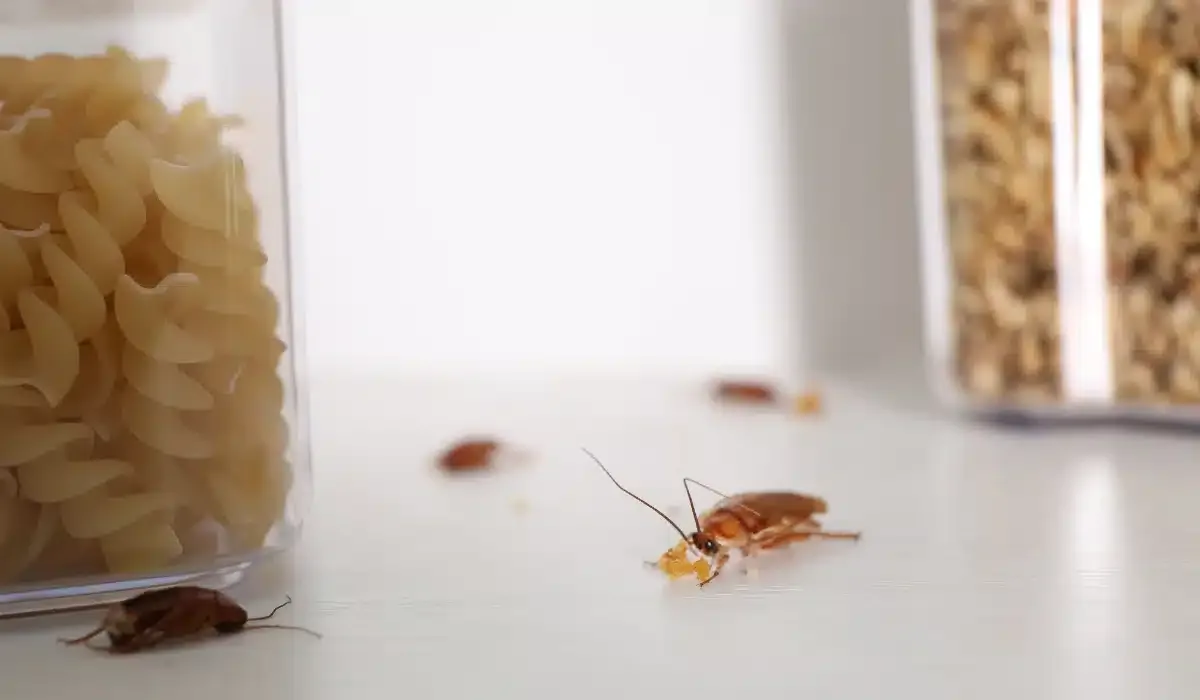
- Store birdseed, pet food, and bulk dry goods in sealed containers.
- Check the crawl-space access door, foundation vents, pipe penetrations, and garage threshold from outside.
- Keep branches and dense vegetation from creating a direct roofline route.
- Do not pull apart contaminated insulation or reach near damaged wiring to chase a sound.
- Photograph fresh signs from a safe distance and note when and where you hear activity.
For a Hampton Roads inspection, start with the rodent control service or the local service page for Hampton, Norfolk, Portsmouth, Chesapeake, or Suffolk. Call (757) 502-0200 if you are hearing movement, finding fresh droppings, or seeing damage that cannot wait for a routine check.
Frequently Asked Questions
When does rodent activity usually increase in Hampton Roads?
Rodent reports often increase from late summer through winter as cooler nights make protected crawl spaces, garages, wall voids, and attics more attractive. Hampton Roads can have mild winter stretches, so activity may move between indoor and outdoor shelter rather than stopping after one freeze.
Are homes near Hampton Roads waterways automatically more likely to have rodents?
No. Waterway proximity is a reason to inspect the property edge, not proof of an infestation. Marsh vegetation, drainage, bulkheads, docks, mature trees, and damp foundation edges can provide cover or access conditions, but the building still needs a specific entry route and evidence of activity.
What should I check first before winter rodent activity starts?
Start with the crawl-space access door, foundation vents, utility penetrations, garage threshold, roofline transitions, and branches touching the structure. Look for daylight, damaged screening, rub marks, droppings, shredded insulation, or a new odor, and avoid entering a contaminated or electrically damaged space.
How much does rodent exclusion cost in Hampton Roads?
Universal’s published whole-home rodent exclusion range is $99 – $1,495. The final scope depends on the number and location of entry points, the materials needed for durable repairs, access, and whether removal, cleanup, insulation, or ductwork work is also required.
Should I seal a hole before the rodents are removed?
Usually, the route and current activity should be identified before permanent exclusion is completed. Sealing the wrong opening can leave an animal inside or miss the active route, while replacing insulation or cleaning alone does not prevent a return through another gap.