As the 2026 nor’easter affects Hampton Roads, Universal Pest & Termite has seen a spike in calls about rodent and squirrel infestations in attics. We are also hearing about tidal flooding in crawl spaces in low-lying parts of Virginia Beach and Norfolk, and have seen foundation vents blown out in Newport News, leaving direct openings into crawl spaces. These are distinct storm-related concerns—not a reason to assume every home has damage or pests. Any inspection should wait until the home and surrounding area are safe.
Three storm-related issues showing up in local calls
The current reports vary by home and location. Here is what our team is hearing and seeing:
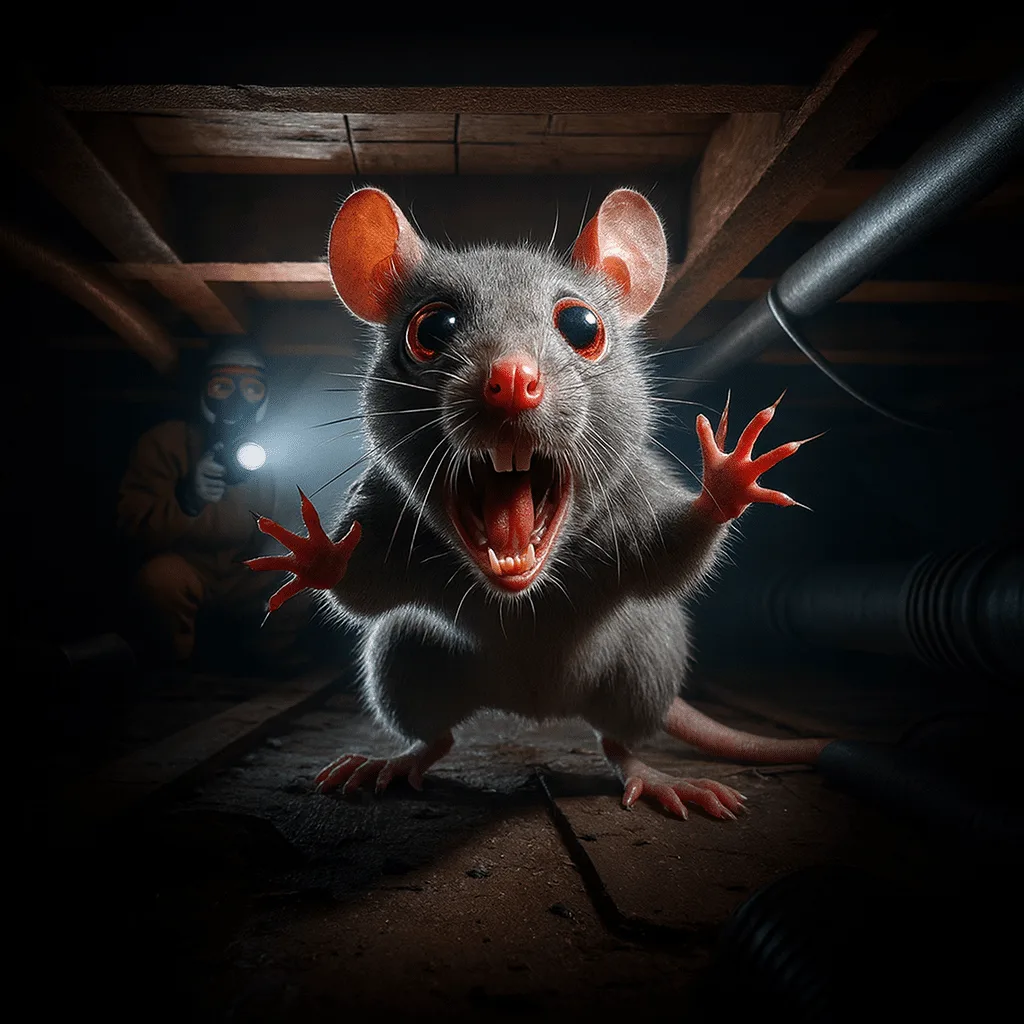
- Attics: A spike in calls about rodents and squirrels getting into attic spaces. Sounds overhead can be an early clue, but noise alone does not confirm which animal is present.
- Low-lying areas of Virginia Beach and Norfolk: Tidal flooding has reached crawl spaces. Once water recedes, homeowners may still find water marks, damp materials, debris or a musty odor.
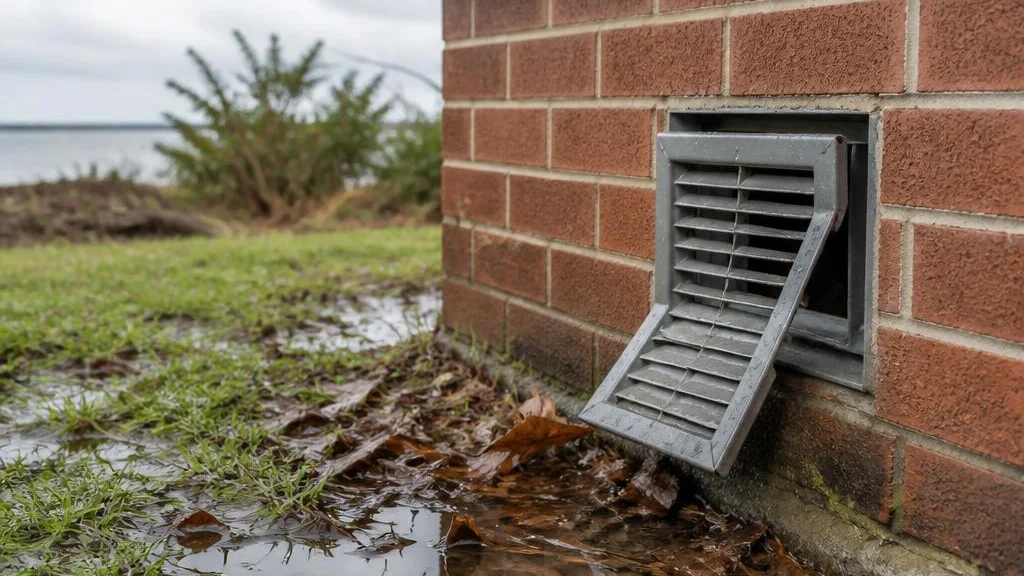
- Newport News: We have seen foundation vents blown out by the storm. A missing vent or screen can leave an opening directly into the crawl space, where animals may be able to enter.
Our guide to coastal rats after nor’easters covers the broader way storms can affect pest activity. This article is a local update on the current calls and the separate attic, water and vent concerns we are seeing now.
Check for signs without entering unsafe areas
From a safe location, homeowners can note whether a vent or access door is visibly damaged, whether water reached the foundation, and when attic noises occur. Squirrels are often active during daylight, while rats and mice are more commonly heard after dark, but timing is only a clue—not a reliable identification on its own. Droppings, nesting material, gnawing or displaced insulation also deserve a closer look by a qualified professional.
Do not enter a crawl space that contains standing water, or an attic with suspected roof, wiring or structural damage. Floodwater can conceal hazards, and damaged materials may be unsafe to disturb. If there is an immediate electrical, structural or active-flooding concern, follow local emergency guidance first; a pest inspection comes after the area is safe to access.
Water, insulation and ductwork need separate attention
When tidal water reaches a crawl space, insulation may be wet, displaced or contaminated with debris. Do not pull it down or handle it while the area is wet. Have the condition assessed after the space is safe and dry enough to inspect; replacement is not automatic, but material that remains wet or is visibly contaminated may need professional removal and replacement. For insulation services, homeowners can also contact our sister company, Universal Insulation Doctor.
Rodents and squirrels can also disturb or damage ductwork in attic and crawl-space areas. Pest activity by itself does not mean the inside of every duct needs cleaning. If an inspection finds debris or contamination inside the duct system, or a damaged duct run, arrange the appropriate cleaning or repair. Our sister company, Universal Duct Cleaning, provides duct-cleaning information and service.
Start with the source: identify whether an animal is present, locate the entry point, and address any water or storm damage before closing an opening. Learn more about our rodent control service and crawl-space services. If you notice signs at your home once it is safe to inspect, request an inspection and tell us what you observed.
Frequently Asked Questions
What are homeowners reporting during the 2026 nor’easter?
Our team has seen a spike in calls about rodents and squirrels in attics, tidal flooding in low-lying Virginia Beach and Norfolk crawl spaces, and blown-out foundation vents in Newport News. These are reports from specific homes and areas, not a claim that every property has been affected.
Can I inspect a flooded crawl space myself?
No—do not enter a crawl space with standing water or possible electrical, structural or contamination hazards. Wait until the area is safe and arrange a professional inspection; follow local emergency guidance for active flooding or other immediate dangers.
What does a blown-out foundation vent mean?
A blown-out vent can leave an opening directly into the crawl space, but it does not prove that an animal has entered. Once conditions are safe, have the opening and nearby areas checked, then repair the vent and address any pest activity found.
Does wet crawl-space insulation always need replacement?
No—its condition should be assessed before deciding what to do. Insulation that remains wet, is visibly contaminated or has been damaged may need professional removal and replacement; avoid handling material exposed to floodwater.
Does hearing rodents or squirrels mean I need duct cleaning?
Not automatically; duct cleaning is appropriate when inspection finds contamination inside the duct system. If an animal has damaged a duct run, that damage also needs repair, and the entry route should be addressed so activity does not continue.