Termites are a common concern for property owners in Norfolk, Virginia. The region’s warm climate and moisture-rich soil create ideal conditions for subterranean termites. These pests live underground and feed on wood structures, often causing damage long before homeowners notice it.
Many Norfolk homeowners ask how termite bait stations work and whether they provide dependable termite control.
For residential and commercial pest control across Hampton Roads, termite bait stations provide a monitored approach that works year-round. Instead of relying solely on soil or liquid treatments, baiting systems track termite activity and gradually eliminate the colony that threatens the structure.
Key Takeaways
- Termite bait stations work by attracting termites with cellulose-based food.
- Worker termites carry bait containing an active ingredient back to termite colonies.
- A termite bait system spreads through the colony and interrupts termite development.
- Professional pest control includes monitoring stations and adjusting placement when termite activity appears.
How Termite Bait Stations Work Step by Step
Before installing any termite bait system, a pest control professional evaluates the property and determines how the stations should be used.
Step 1: Termite Inspection and Property Assessment
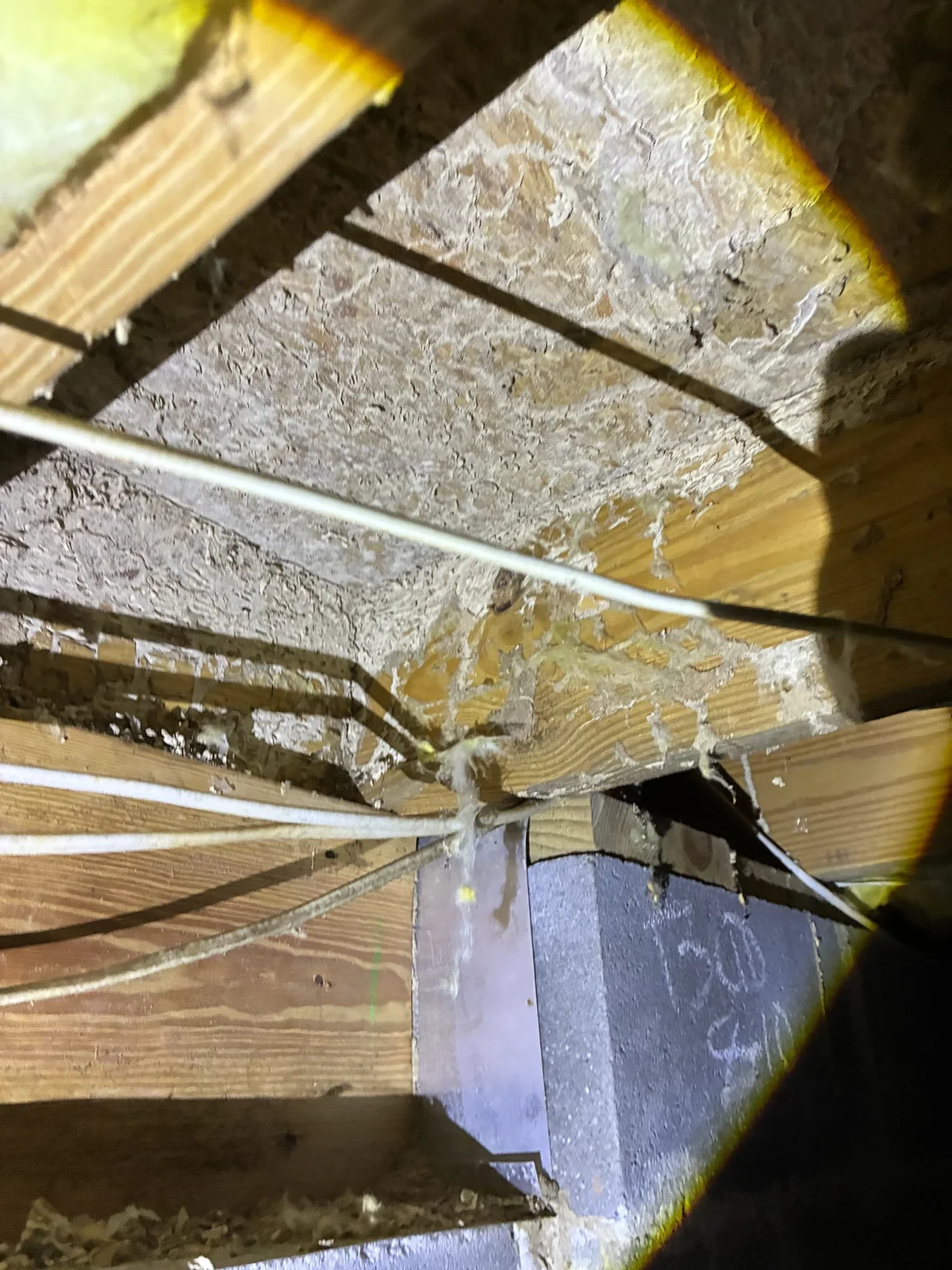
The process starts with a termite inspection performed by a pest control company. Technicians examine the structure for signs of termites, including mud tubes along foundation walls or damaged wood near crawl space framing.
In Norfolk properties, moisture around foundations and crawl spaces often attracts subterranean termites. A technician identifies areas with termite activity and decides whether termite bait stations, soil treatment, or a combination of the two will provide the best termite treatment.
Step 2: Installing In-Ground Termite Bait Stations
After the inspection, technicians install termite bait stations in-ground around the structure. These stations sit flush with the soil and contain cellulose-based monitoring cartridges that termites feed on.
The stations intercept termite foraging activity before termites reach structural wood. Systems such as Sentricon or Trelona are commonly used termite bait system options in professional pest management programs.
Step 3: Detecting Termite Activity
Subterranean termites constantly search for food sources underground. When worker termites encounter termite bait stations, they begin feeding on the cellulose material inside the station.
Technicians check stations regularly throughout the year. When termite activity appears inside a station, the monitoring cartridge is replaced with bait that contains an active ingredient designed to affect termite development.
Step 4: Bait Distribution in the Colony
After feeding on the termite bait system, worker termites carry the bait back through tunnels to the colony. They share the food with other termites through a process called trophallaxis.
This process allows the bait to reach a large portion of the termite colony without every termite directly visiting the station.
What Termites Take Back to the Colony
The success of termite bait stations depends on how termites distribute the bait after feeding. The transfer process spreads the treatment across the colony.
Worker Termites Transport the Bait
Worker termites gather food and deliver it to other members of the colony. When they feed on termite bait stations, they treat the bait as a normal food source.
They transport small portions of the bait through mud tubes and underground tunnels. This feeding process distributes the material to soldiers, larvae, and other worker termites inside the colony.
The Active Ingredient Disrupts Molting
Most termite bait system products rely on an insect growth regulator as the active ingredient. This ingredient disrupts the termite’s ability to molt.
Termites must molt in order to grow and maintain their exoskeleton. When the molting process stops, termites cannot survive. Because the effect is gradual, termites continue to spread the bait throughout the colony.
Colony Elimination Over Time
As more termites consume the bait, the effect spreads across the population. Worker termites eventually decline in number, which leads to the collapse of the termite colony.
This approach helps pest control professionals achieve colony elimination rather than just killing termites near the structure.
How Stations Are Placed and Monitored
Proper placement and regular monitoring are critical for a successful termite bait system. Pest management professionals follow a structured process when installing and maintaining termite bait stations.
Strategic Placement Around the Structure
Termite bait stations are installed around the perimeter of the property. In many Norfolk homes, technicians place stations every 10 to 20 feet, depending on the structure size and landscaping layout.
Placement focuses on areas where termite foraging activity is most likely, including foundation edges, mulch beds, and crawl space access points.
Routine Monitoring Visits
After installation, a pest control company schedules monitoring visits to inspect each station. Technicians check for termite activity and replace bait cartridges when necessary.
Year-round monitoring allows professionals to identify termite problems early. This helps stop a termite attack before it becomes a major termite infestation.
Adjusting the System When Needed
If termite activity increases, technicians October install additional termite bait stations or adjust station placement. This helps intercept termite movement around the structure.
Unlike many diy termite control attempts, professional monitoring keeps the termite bait system functioning properly over time.
What Results to Expect and Typical Timelines
Termite bait stations provide a gradual approach to termite control while also delivering long-term protection.
Early Detection of Termite Activity
One major advantage of termite bait stations is their ability to enable early detection. Stations often reveal termite activity before homeowners see visible signs.
Detecting termites early allows pest control professionals to begin termite treatment before structural damage becomes severe.
Gradual Colony Reduction
A termite bait system works slowly by design. Colony elimination October take several months as termites continue feeding and distributing the bait.
Because the bait spreads gradually, it reaches more members of the colony and increases the chance of eliminating the entire colony.
Long-Term Protection
After colony elimination, termite bait stations remain in place as a monitoring tool. Stations continue to detect termite activity as new colonies enter the area.
Compared with approaches such as fumigation, trenching, or liquid termiticide barriers alone, a baiting system offers a long-term solution for termite prevention.
Schedule a Bait Station Assessment in Norfolk
Termites pose a serious threat to properties throughout Norfolk and the Hampton Roads region. The combination of coastal humidity, wood construction, and active subterranean termites creates ideal conditions for termite infestations.
A professional termite inspection can determine whether termite bait stations, soil treatment, or another termite control strategy is best for your property. Systems such as Sentricon and other termite bait system options allow pest control professionals to track termite activity and work toward colony elimination.
Universal Pest & Termite has protected homes and businesses across Hampton Roads for more than two decades. If you suspect signs of termites or want reliable termite prevention, contact us to schedule a termite inspection and bait station assessment today. Our team will review your property, explain your termite control options, and help you install termite bait stations for lasting protection.