Preventing Rodents From Chewing Electrical Wiring in Virginia Beach
Rodents chewing through electrical wiring is a common issue that exterminators in Virginia Beach are used to hearing. Every year, these small pests cause big damage to homes across our coastal city. Mice and rats have teeth that never stop growing, which means they must chew constantly to keep their teeth healthy. This natural behavior puts your home at risk for dangerous electrical fires.
Why Rodents Chew Electrical Wires
Mice and rats have teeth that grow all the time, just like your fingernails. They must chew on things every day to keep their teeth from getting too long. If they don’t chew, their teeth would grow so long that they couldn’t eat. According to fire safety experts, rodents are responsible for up to 20% of house fires, in which the cause of the fire is often unknown. The National Fire Protection Association also notes that electrical failures are a leading cause of home fires, which makes rodent wire damage even more dangerous for Virginia Beach families.
Electrical wires are perfect for rodents to chew because they are round and easy to hold. The plastic covering on wires is just soft enough for rodent teeth to cut through. When they chew off this plastic covering, they expose the hot metal wire inside. This exposed wire can get very hot and start fires in your walls or attic.
In Virginia Beach neighborhoods like Sandbridge and the Oceanfront area, our mild weather means rodents stay active all year long. This gives them more time to find and damage your electrical wires.
Stop Rodents from Reaching Your Wires
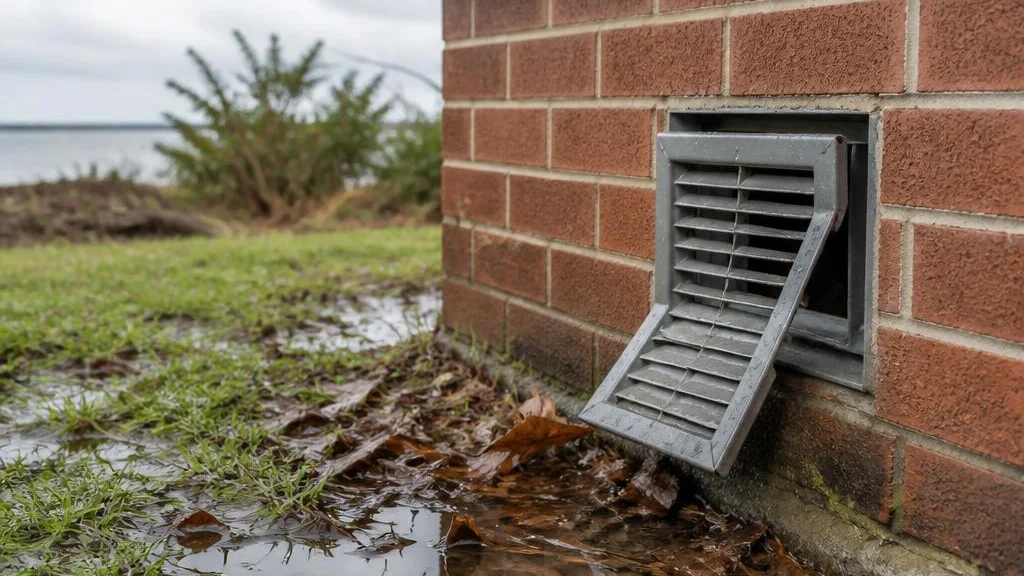
The best way to protect your electrical wiring is to keep rodents away from it completely. Start by sealing every hole where rodents might enter your home. Look around pipes, air conditioning lines, and places where electrical wires come into your house. Use steel wool to plug small holes because rodents hate chewing on metal.
For bigger gaps, use metal mesh or hardware cloth. Don’t use regular caulk or foam because rodents can chew right through these materials. Check your foundation, especially in areas like Lynnhaven and Princess Anne, where the salt air can cause cracks over time.
Look for holes under your deck, in crawl space doors, and around your electrical meter. Even tiny gaps need attention because a mouse can squeeze through a hole the size of a dime. According to Virginia Beach Pest Control Expert Tanner Baine, “Most rodent problems with rodents start with homeowners missing small entry points on the outside of the home. If you can get those sealed you won’t have a problem with rodents.”
Protect Wires with Physical Barriers
Install wire guards or protective covers around electrical wires that rodents can reach. These covers act like armor for your wires. Focus on protecting wires in your attic, basement, and crawl spaces where rodents like to travel.
Metal conduit provides the best protection for electrical wires. Ask an electrician about installing metal conduit around wires in areas where you’ve seen rodent activity. This might cost more upfront, but it can save you thousands of dollars in fire damage later.
For wires that run along walls or through open areas, consider plastic wire guards. These snap-on covers make it impossible for rodents to reach the wire with their teeth. You can find these at most hardware stores in Virginia Beach.
Use Smell Deterrents Around Wires
Rodents hate certain smells, and you can use this to protect your electrical wires. Place mothballs near electrical panels, junction boxes, and areas where wires run through your home. The strong smell keeps most rodents away from these areas.
Peppermint oil works well too. Soak cotton balls with peppermint oil and place them near electrical wires in your attic or basement. Replace the cotton balls every few weeks when the smell gets weak. Some homeowners in Thoroughgood and other Virginia Beach neighborhoods report success with this method.
Pine-Sol cleaner sprayed on rags and placed near wires can also work. The strong pine smell bothers rodents but won’t hurt your electrical system. Just don’t spray the cleaner directly on wires or electrical equipment.
Keep Wires Away from Rodent Travel Paths
Rodents like to travel along walls and in dark spaces. Try to keep your electrical wires away from these areas when possible. If you’re doing electrical work or renovations, ask your electrician to route wires through the center of rooms instead of along walls.
In your attic, keep wires away from the edges where rodents typically travel. Use wire supports to hold electrical cables away from roof edges and wall intersections. This makes it harder for rodents to find and chew on your wires.
Clean up your storage areas so rodents don’t have places to hide near your electrical wires. Remove cardboard boxes, old clothes, and clutter from around electrical panels and wire runs. Store seasonal items in plastic containers with tight lids instead of cardboard boxes that rodents can chew.
Install Wire Protection in Key Areas
Pay special attention to protecting wires in your electrical panel area. This is where the most critical wires in your home come together. Keep this area clean and free of anything that might attract rodents. Install wire guards on the cables that lead into and out of your electrical panel.
Protect wires behind major appliances like your washer, dryer, and refrigerator. These areas stay warm and attract rodents, especially during Virginia Beach’s cooler months. Pull appliances away from walls occasionally to check for rodent droppings or chew marks on electrical cords.
Your attic needs special attention because this is where rodents often cause the most wire damage. Install protective covers on all electrical wires that run through your attic space. Focus on areas near your air conditioning equipment and around attic lights where rodents might build nests.
Trim Trees to Protect Roof Wires
Rodents use tree branches like highways to reach your roof and electrical wires. Keep all tree branches at least 10 feet away from your house. This is especially important in Virginia Beach, where we have large oak trees and other mature trees throughout the city.
Squirrels can jump up to 10 feet, so maintaining this distance stops them from reaching your roof, where electrical wires often enter your home. Trim branches that hang over your roof or touch your house walls. This simple step can prevent rodents from accessing the electrical wires that run along your roofline.
Check for power lines that run from utility poles to your house. While you can’t modify these yourself, you can call Virginia Beach public utilities if you see tree branches growing too close to power lines. They will trim branches that threaten electrical service.
Monitor Your Electrical System for Damage
The Virginia Beach Fire Department warns that electrical fires are a major home safety hazard, and rodent damage can make the risk even higher. Check your electrical system regularly for signs that rodents have been chewing on wires. Look for black marks or small burn spots around outlets and switches. These could mean rodents have damaged wires inside your walls.
Watch for lights that flicker or dim for no reason. This often happens when rodents damage the wires that supply power to your lights. If your circuit breakers trip often, especially in areas where you’ve seen rodents, this could mean wire damage.
Listen for strange sounds from your electrical system, like buzzing, crackling, or popping. These noises can mean that damaged wires are arcing or sparking inside your walls. If you hear these sounds, turn off the power to that area right away and call an electrician.
Use Traps Near Important Electrical Areas
Set up mouse and rat traps near your electrical panel, in your attic around electrical wires, and in your basement where main electrical lines enter your home. This helps catch rodents before they can damage your wiring.
Place traps along walls where electrical wires run because rodents follow these paths when they travel through your home. Use peanut butter or dried fruit as bait because these foods attract rodents better than cheese.
Check traps daily and replace caught rodents right away. Empty traps don’t protect your electrical wires. According to Virginia Beach Fire Department safety guidelines, early detection and removal of rodents prevents electrical fire hazards.
What to Do If Wires Get Chewed
If you find that rodents have chewed your electrical wires, turn off the power to that area immediately at your circuit breaker. Don’t touch any exposed wires because they can shock you or cause burns.
Call a licensed electrician right away to fix the damaged wires. Don’t try to repair electrical wires yourself because this is very dangerous. The electrician will need to replace the damaged sections with new wire to make sure your home is safe.
Also, call a pest control company to get rid of the rodents that caused the damage. Companies like Universal Pest & Termite in Virginia Beach can find where rodents are getting in and stop them from chewing more wires.
Maintain Your Protection Year-Round
Protecting your electrical wires from rodents is not a one-time job. You need to check and maintain your protection methods throughout the year. Virginia Beach’s mild climate means rodents stay active in all seasons, so your protection needs to work all the time. After hurricanes or nor’easters, inspect attics, crawl spaces, and foundations for new openings or storm damage that rodents might use to get inside.
Replace mothballs and peppermint oil deterrents regularly because they lose their smell over time. Check wire guards and protective covers to make sure they haven’t been damaged or moved. Inspect your home’s exterior monthly for new holes or gaps where rodents might enter.
Keep tree branches trimmed away from your house, especially after storms, when branches might break and create new pathways for rodents. Clean storage areas near electrical equipment to remove nesting materials that attract rodents.
Call a Rodent Control Expert Today
If dealing with rodents isn’t your thing, then call Universal Pest and Termite Inc. today. We are heavily trained and skilled to remove and secure the area to be free of all rodents. In addition, we know the proper procedures to ensure the health and safety of everyone.