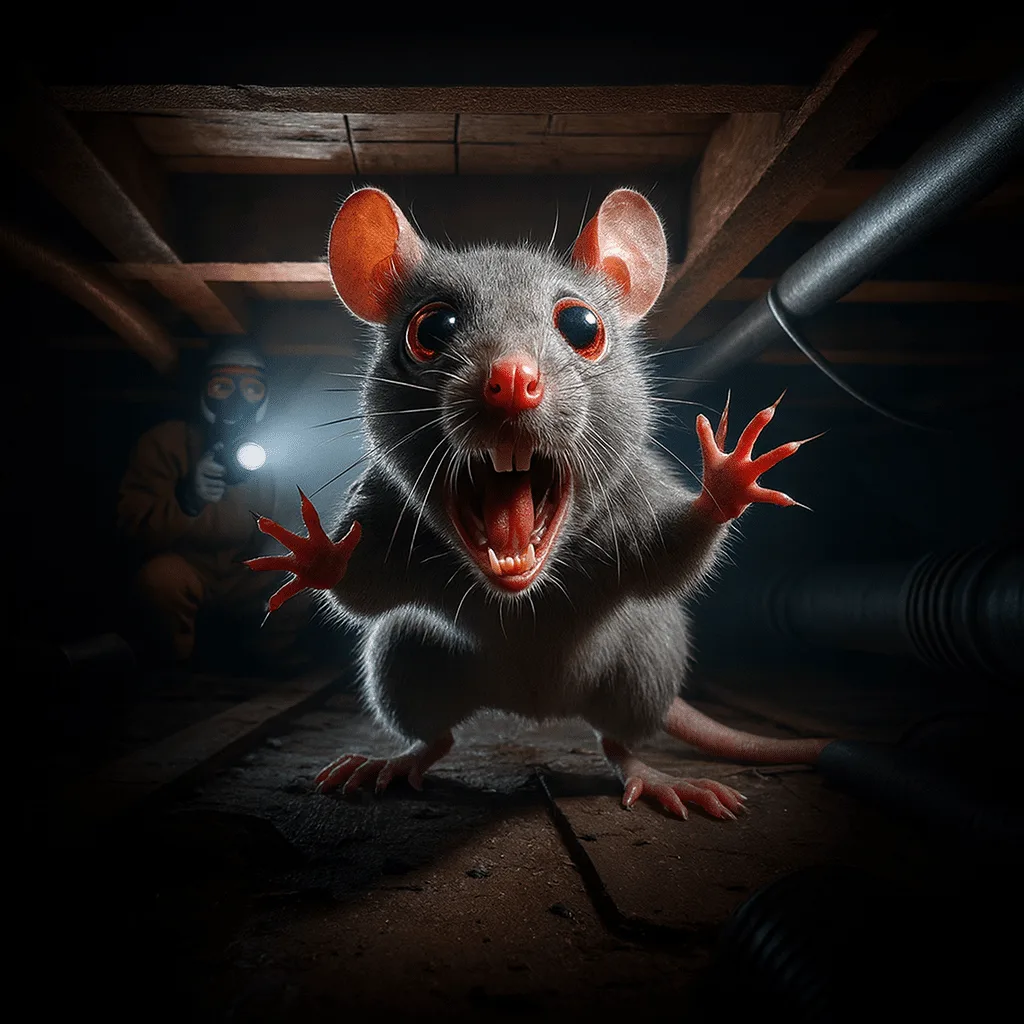
If you have ever heard scratching in the attic at night, you already know rodents do not sit still for long. Many homeowners in Virginia Beach, Chesapeake, and Newport News do not realize how often that noise leads to rodent-chewing damage to home wiring. Mice and rats constantly gnaw to keep their teeth worn down, and your electrical wires make an easy target.
Rodent chewing damage to home wiring creates more than a nuisance. It can disrupt your electrical system, damage appliances, and increase the risk of fire within walls that are not visible. In older homes around Norfolk and Portsmouth, we often find wiring that is already worn, which makes it even more vulnerable.
The good news is that you can spot warning signs early and take the right steps before small issues become costly repairs. Let’s walk through what to look for and what to do first if you suspect trouble.
Key Takeaways
- Rodents chewing through wire insulation can create serious fire hazards inside walls and attics.
- Flickering lights, electrical shorts, and a tripped circuit breaker October signal hidden wire damage.
- Quick action from pest control and an electrician helps reduce electrical fires and long-term damage.
- Sealing rodent entry points and scheduling regular inspections helps prevent repeat problems.
Why Rodents Chew Electrical Wiring
Rodent chewing damage to home wiring starts with a simple instinct. Their chewing helps control their ever-growing teeth. In attics, crawl spaces, and behind drywall, electrical wiring sits undisturbed, making it an easy target.
As rodents chew, they strip away the wire insulation and expose the copper inside. Once you expose wires, you increase the risk of short circuits and electrical shorts. Over time, that stress can lead to electrical failures, appliance damage, and even house fires.
The National Fire Protection Association has reported that rodents contribute to thousands of electrical fires each year.
In many Hampton Roads homes, especially those near wooded areas in Suffolk or older neighborhoods in Norfolk, we see rodent activity increase during cooler months. When temperatures drop, rodents look for warmth and nesting material.
Unfortunately, your attic insulation and your home’s wiring provide both.
Common Warning Signs Inside Your Home
Rodent chewing damage to home wiring rarely announces itself clearly, but certain warning signs should get your attention. Flickering lights are one of the most common. If the lights dim or blink without a clear reason, damaged wires October be interfering with steady power.
You might also notice power outages in a single room or a circuit breaker that trips repeatedly.
While an overloaded outlet can cause this, persistent issues often point to electrical damage hidden in the walls. Electrical issues that seem random or spread from one area to another warrant closer inspection.
Beyond electrical symptoms, watch for signs of rodent activity.
Droppings in cabinets, gnaw marks on wood, or scratching sounds in crawl spaces signal a possible infestation.
If you see nesting material tucked near your hvac unit or around stored boxes in the attic, that strongly suggests a rodent problem that could extend to your wiring system.
Where Wire Damage Often Occurs
Rodent chewing damage to home wiring most often shows up in secluded areas. Attics top the list, especially in homes across Virginia Beach and Chesapeake, where insulation provides cover. Rodents burrow through insulation, chew wires, and build nests nearby.
Crawl spaces also attract rodents.
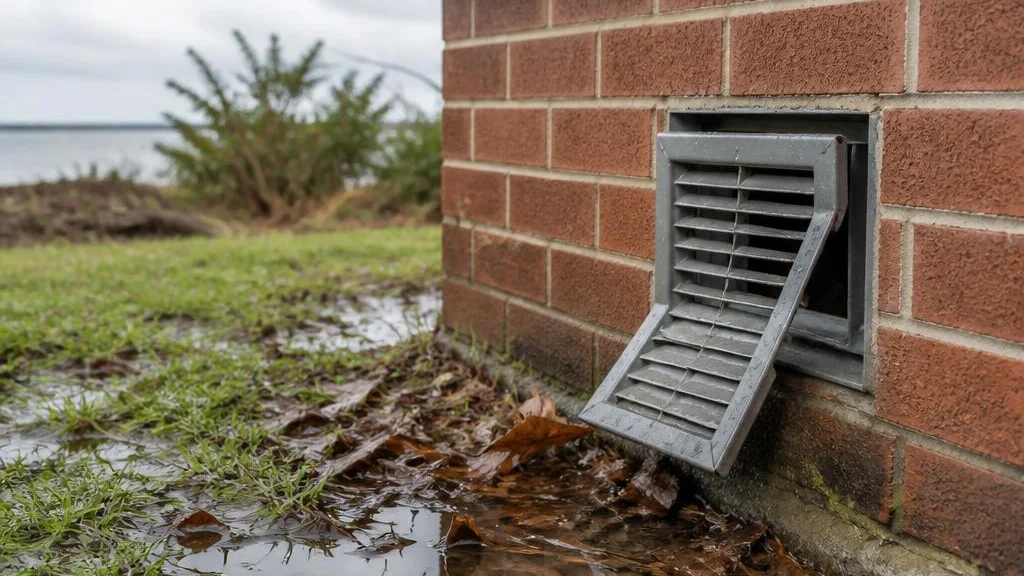
These areas offer moisture, darkness, and easy access from the home’s exterior. Small gaps around foundation vents or utility lines become rodent entry points. Once inside, rodents travel along floor joists and electrical wires, leaving chewed wires in their path.
We also find wire damage behind drywall, particularly near kitchens and laundry rooms where appliances generate warmth. Rodent damage in these areas can disrupt your home’s wiring and cause malfunctions in outlets and switches.
Because you cannot see inside the walls, early detection often depends on recognizing electrical issues elsewhere.
The Real Fire Risk Of Rodent Damage
Rodent chewing damage to home wiring creates serious fire hazards. When wire insulation is stripped away, exposed wires can spark against wood framing or insulation. That spark can ignite nearby materials and start electrical fires.
Even minor electrical shorts raise the fire risk.
A small arc behind drywall October not cause an immediate flame, but repeated stress can weaken the wiring system. Eventually, the heat buildup can lead to electrical failure and possibly house fires. This is why we always treat rodent damage near wiring as an urgent priority.
Homeowners sometimes assume that a tripped circuit breaker solved the issue.
In reality, the breaker October only mask more serious electrical damage. Without addressing the source, you leave your home vulnerable to ongoing short circuits and the risk of electrical fires.
What To Do First If You Suspect Wiring Damage
If you believe rodents chewing has affected your home’s wiring, act quickly but safely. First, avoid touching any exposed wires. If you see sparks, smell burning, or notice significant electrical failure, turn off power at the main breaker and contact a licensed electrician right away.
An electrician can inspect the electrical system, repair damaged wiring, and confirm that the wiring operates safely. This step addresses the immediate electrical damage but does not address the root rodent problem.
That is where professional pest control comes in. You need effective rodent control services to eliminate the infestation and prevent rodents from chewing on electrical wiring again.
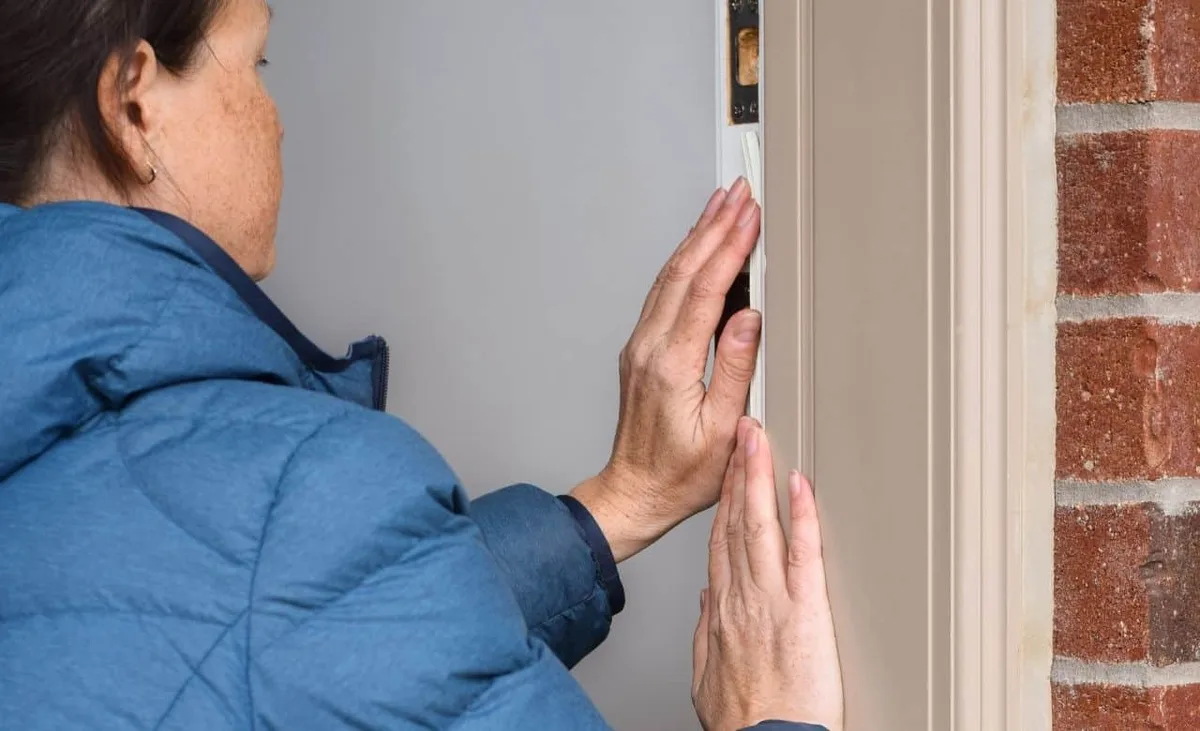
A thorough rodent control plan includes sealing rodent entry points, removing nesting material, and setting appropriate deterrents. Without this step, repairs alone will not stop repeat wire damage.
How Pest Control Protects Your Home Long Term
Rodent chewing damage to home wiring often continues until the source is addressed. At Universal Pest & Termite, we approach rodent control with a full property inspection. We examine the home’s exterior, identify gaps and cracks, and seal entry points that allow access to attics and crawl spaces.
Next, we focus on eliminating active rodent activity.
Our pest control team removes nesting material, treats affected areas, and monitors for continued movement. In homes around Newport News and Portsmouth, we often find that simple exclusion work dramatically reduces the risk of repeat infestations.
Ongoing pest control and regular inspections help catch problems early.
Strategically placed deterrents in vulnerable areas discourage rodents from settling near electrical wires, HVAC units, and storage areas. When you combine professional rodent control with routine follow-ups, you significantly lower the risk of future electrical damage.
Making The Right Choice For Your Virginia Home
Rodent chewing damage to home wiring is not something to ignore.
What starts as a small gnaw mark can grow into serious electrical issues, costly repairs, and dangerous fire hazards. When you see warning signs such as flickering lights, drooping, or a circuit breaker that frequently trips, it is time to act.
Start with a qualified electrician to address immediate safety concerns. Then partner with a trusted pest control company that understands local rodent patterns across Virginia Beach, Suffolk, Chesapeake, Norfolk, Newport News, and Portsmouth. Taking both steps protects your home’s wiring and reduces the chances of repeat infestation.
If you suspect a rodent problem, call us to schedule an inspection. Our team provides thorough evaluations and effective rodent control services designed to prevent rodents from chewing electrical wiring and safeguard your home for years to come.