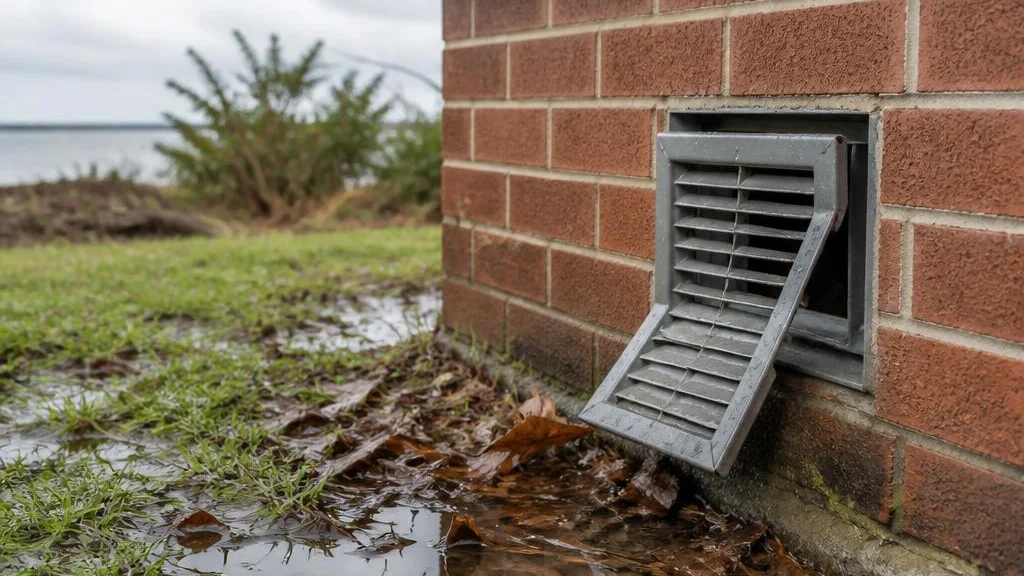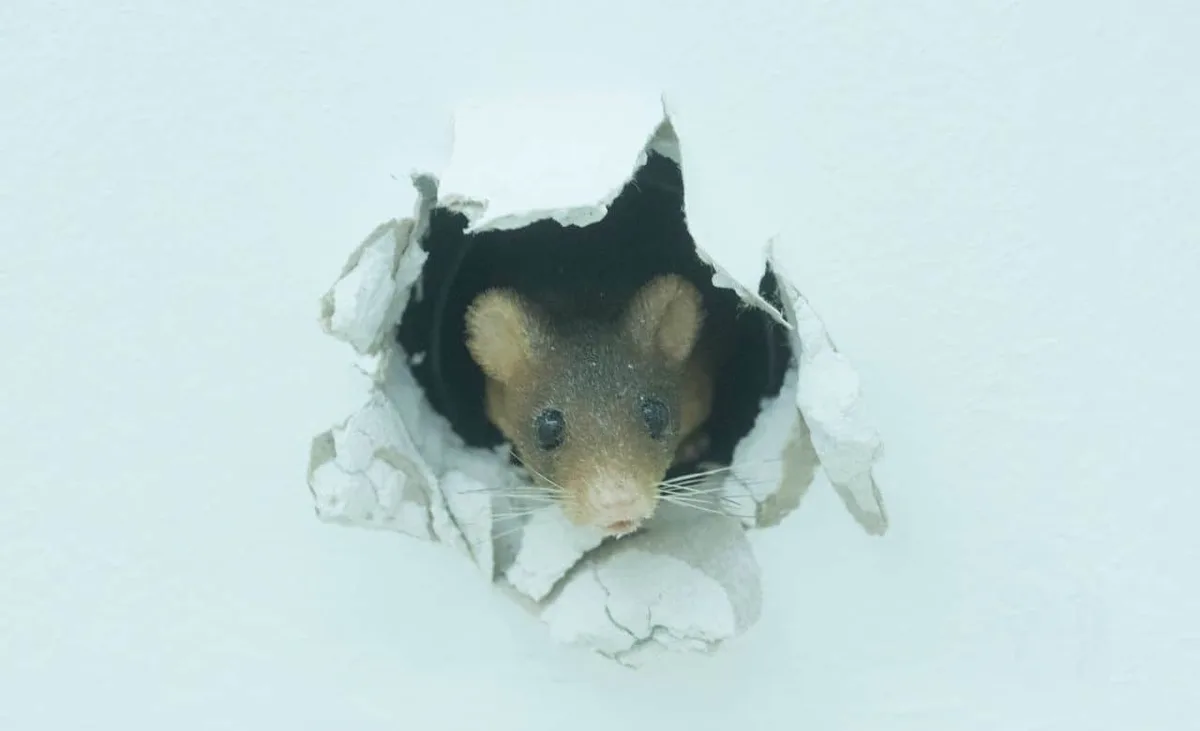
As winter approaches Lake Taylor homes, the more than 1,100 residents of this Norfolk neighborhood face a familiar seasonal concern. As outdoor conditions change, rats and mice may seek food and shelter indoors. Norfolk's coastal climate supports year-round rodent activity, so checking entry points and reducing attractants before colder weather can help Lake Taylor families lower the risk of an indoor problem. Rodents can damage property, contaminate food, and spread disease. Understanding these risks and taking proactive measures to rodent-proof Lake Taylor homes can help protect property and family health.
Lake Taylor’s Unique Risk Factors
Lake Taylor’s location brings unique challenges that make winter rodent prevention especially important. Busy community hubs like Lake Taylor High School, Princess Anne Park, and the Transitional Care Hospital create steady activity and food sources that can attract rodents and increase the chances of them moving into nearby homes. With more than half of residents renting (54%) and a median home value of about $240,000, both renters and homeowners need to take proactive steps to protect their properties from damage.
Norfolk’s clay soil often causes foundations to settle and shift, creating new gaps that become entry points each winter. Daily activity around Lake Taylor’s schools, parks, and healthcare facilities can also add to food waste and clutter that draw rodents closer to residential areas.
Adding to the challenge, many Lake Taylor homes were built in the 1950s after World War II. While full of character, their aging structures often have small cracks and openings that make rodent control difficult. Vibrations from nearby traffic and constant neighborhood activity can widen those gaps over time, leaving homeowners to deal with fresh vulnerabilities each season.
Understanding Rodent Behavior and Health Dangers in Winter
According to government housing surveys, 11.6 percent of homes across America report rodent problems every year, affecting about 16.2 million homes and 38.5 million people. In the Norfolk area, this winter movement gets worse as temperatures drop and outdoor food sources become hard to find.
The Norfolk area has several common types of rodents that become big problems during the winter months. House mice, Norway rats, and roof rats cause most home problems, each bringing different challenges to homeowners near Princess Anne Park and Lake Taylor Transitional Care Hospital.
Rats keep chewing to control their tooth growth and to get into places for food and shelter, making them very destructive once they move into your home. As outdoor temperatures get cold, these rodents look for three basic things: warmth, food, and water—all easily found in heated homes.
The health dangers from winter rodent problems in Lake Taylor homes are more serious than many people realize. Hantavirus can kill people, with 38% of people who develop breathing problems possibly dying from the disease. Symptoms usually show up 1 to 8 weeks after contact with infected rodent droppings or urine. Rodents carry many diseases that spread directly through breathing dirty air or eating food that has rodent waste on it.
Other diseases commonly spread by rodents in the Norfolk area include Salmonella, which causes severe stomach sickness, and rat-bite fever, which can develop from scratches or bites. Rodents also carry ticks, mites, and fleas that spread more diseases. Children under 5, pregnant women, and people with weak immune systems face the highest risks from rodent diseases.
Finding Weak Areas in Your Home for Rodent Entry

Successful rodent prevention begins with understanding that mice can squeeze through tucked-away spaces of Lake Taylor homes as small as a quarter-inch, while rats need gaps only slightly larger.
Key areas to inspect include:
- Foundation cracks and gaps around utility penetrations
- Unsealed vents and damaged weatherstripping
- Pipe penetrations, electrical conduits, and cable entries
- Basement windows and crawl space vents
- Foundation cracks expanded by Norfolk’s clay soil conditions
- Roof-to-wall connections and chimney flashings
- Areas around Lake Taylor Pointe homes’ architectural details
Indoor warning signs include:
- Small, dark droppings near food sources
- Gnaw marks on packaging or wooden surfaces
- Grease marks along walls where rodents travel
- Shredded materials indicating nesting activity
- Strange scratching sounds in walls or ceilings, particularly at night
Signs of Rodent Activity in Lake Taylor Homes
Lake Taylor homeowners should watch for signs of rodent problems in their homes. In ranch-style houses common in the area, check crawl spaces for small, dark droppings, about the size of rice grains. For Colonial-style homes near the water, inspect attics. Roof rats often enter through tree branches from mature landscaping.
Check for greasy smears on walls where rodents move. In Lake Taylor’s rental properties, renters should report any scratching sounds in walls or ceilings to property managers. Finding issues early helps prevent costly damage to insulation and wiring.
Carefully check garage areas, as these spaces often connect to the main house, providing easy entry points for rodents. Many homes have attached garages leading directly into kitchens, making proper weather sealing of garage doors crucial for prevention.
Indoor warning signs include:
- Small, dark droppings near food sources
- Chew marks on food packages or wooden surfaces
- Grease marks along walls where rodents travel
- Shredded materials showing nesting activity
- Strange scratching sounds in walls or ceilings, especially at night
Essential Pest Prep: Sealing Entry Points to Stop Rodents
Good rodent control in Lake Taylor homes needs the right materials and a step-by-step approach. Norfolk’s humid Tidewater weather requires special attention to material choice for keeping rodents out. Use marine-grade caulking and stainless steel materials that won’t rust in the coastal environment. Regular steel wool will break down quickly in Lake Taylor’s humidity, so buy copper mesh or stainless steel options for long-term protection.
For different-sized openings:
- Small gaps (under ½ inch): Steel wool combined with expanding foam or weather-resistant caulk
- Larger openings: Quarter-inch hardware cloth for vents and crawl space entrances
- Doors: Put door sweeps on outside doors, especially garage and basement entrances
- Crawl spaces/attics: Put rodent-proof barriers using galvanized hardware cloth with quarter-inch mesh
- Window wells: Put well covers or screens while keeping proper drainage
- Materials: Choose rust-resistant options for the humid Tidewater weather
Pay special attention to areas where Norfolk’s clay soil movement creates new foundation cracks each season. Check and reseal these areas every fall, as the soil expansion and shrinking cycle can open previously sealed entry points.
For homes near Princess Anne Park, put chimney caps with fine mesh screening, as squirrels and other wildlife from the park area often give entry points for smaller rodents. Use galvanized hardware cloth rated for coastal environments to make sure it lasts in the coastal weather.
Start sealing work on calm, dry days for best results. Secure all barriers with heavy-duty staples or screws, making sure edges fit tightly against building parts.
Lake Taylor Seasonal Maintenance Schedule
October Tasks (Before Cool Weather): Inspect your Lake Taylor home outside before it cools down. Look closely at areas where tree branches from nearby landscaping are within six feet of your roof. If you live near wooded areas by Princess Anne Park, schedule a professional inspection. These homes often have more rodent issues.
October Tasks (Peak Prevention Month): Pick up fallen fruit from trees in established Lake Taylor neighborhoods. Make sure all outdoor garbage cans have tight-fitting lids. This is especially important if your pickup day is Monday, when weekend waste builds up. Clean and repair gutters before Norfolk’s fall storm season starts.
October Tasks (Final Preparations): Store firewood at least 30 feet from your home and lift it 18 inches off the ground. This matters more for Lake Taylor homes near wooded lots. Finish sealing any cracks found during October inspections.
October Through October (Watching Season): Check bait stations monthly if you use professional rodent control. Look for new signs of rodent activity, as this is peak season when outdoor food becomes scarce.
Reducing Moisture and Other Things That Attract Rodents Outside Your Home
Rodents need steady water sources, so moisture control is crucial. Fix any standing water near your foundation, repair leaking outdoor faucets, and ensure water drains away from your home. Norfolk’s humid coastal weather draws rodents, making moisture control essential.
Store firewood at least 30 feet from your home and off the ground. Trim tree branches and shrubs to keep a six-foot gap from your roof and walls. This removes pathways that rodents use to reach upper-story entry points.
Remove fallen fruit from trees promptly and secure compost bins with tight lids. Consider taking down bird feeders during peak rodent season or switching to rodent-proof designs. Keep gutters clean and fix leaks that create moisture-rich environments attractive to rodents.
Maintaining Sanitation and Removing Food Sources Indoors
Indoor cleaning plays a central role in preventing rodent problems in Lake Taylor. Store food in sturdy containers with tight-fitting lids, and clean up crumbs or spills right away before they become an invitation for pests.
Move pantry items out of cardboard boxes and paper bags, which rodents can chew through, and into heavy plastic or metal containers. Pet food is another major attractant—keep it in sealed containers and avoid leaving bowls out overnight.
Trash management is just as important. Use cans with tight lids, rinse them out regularly, and take garbage outside often, especially food waste. Reducing clutter in basements, attics, and storage areas also helps eliminate potential nesting spots.
For families with children attending Lake Taylor High School or Lake Taylor Middle School, a simple but often overlooked step is checking backpacks and lunch boxes for crumbs or leftover food. Cleaning these out regularly prevents small spills from becoming a steady food source that draws rodents indoors.
When and Why to Call Professional Pest Control in Lake Taylor
The earlier you act on rodent problems, the easier they are to stop. Call a pest control professional if you notice:
- Multiple droppings
- Constant scratching sounds
- Chew marks on wood or wires
- Nesting materials (like shredded paper or fabric)
If these signs keep showing up despite your prevention efforts, it’s time to bring in expert help.
At Universal Pest & Termite, we understand the unique challenges Lake Taylor homeowners face. Our team has helped hundreds of Norfolk families deal with winter rodent issues. We know that homes near Princess Anne Park face different risks than properties closer to Lake Taylor Transitional Care Hospital, and we adjust our prevention plans to match.
Book your inspection by mid-October. This gives us time to seal entry points before the peak rodent season begins. Whether you live in a 1950s ranch or a newer waterfront property, we’ll provide tailored recommendations based on your home’s design and location.
Why professional inspections help:
- Specialized tools find rodent activity in hard-to-reach areas
- Local experts understand Tidewater weather, housing styles, and common rodent species
- Services include insulation removal, sanitizing treatments, and sealing materials built for Norfolk’s humidity and shifting soil
Professional treatments are safer for homes with kids or pets. Plus, we provide ongoing monitoring and maintenance to keep rodents from coming back.
Frequently Asked Questions
Conclusion: Act Now for a Rodent-Free Winter
Winter rodent prevention requires planning and action. Lake Taylor homeowners can stop rodent issues by sealing entry points, removing attractants, keeping areas clean, and fixing moisture problems before the cold hits.
Don’t wait for scratching in the walls or droppings in the kitchen. Universal Pest & Termite offers effective home protection strategies for rodent prevention. Our skilled team knows the challenges Norfolk homeowners face and can help build a strong barrier against winter rodent invasions. Contact Universal Pest today to schedule your pre-winter home inspection. Take the first step toward a rodent-free winter season.