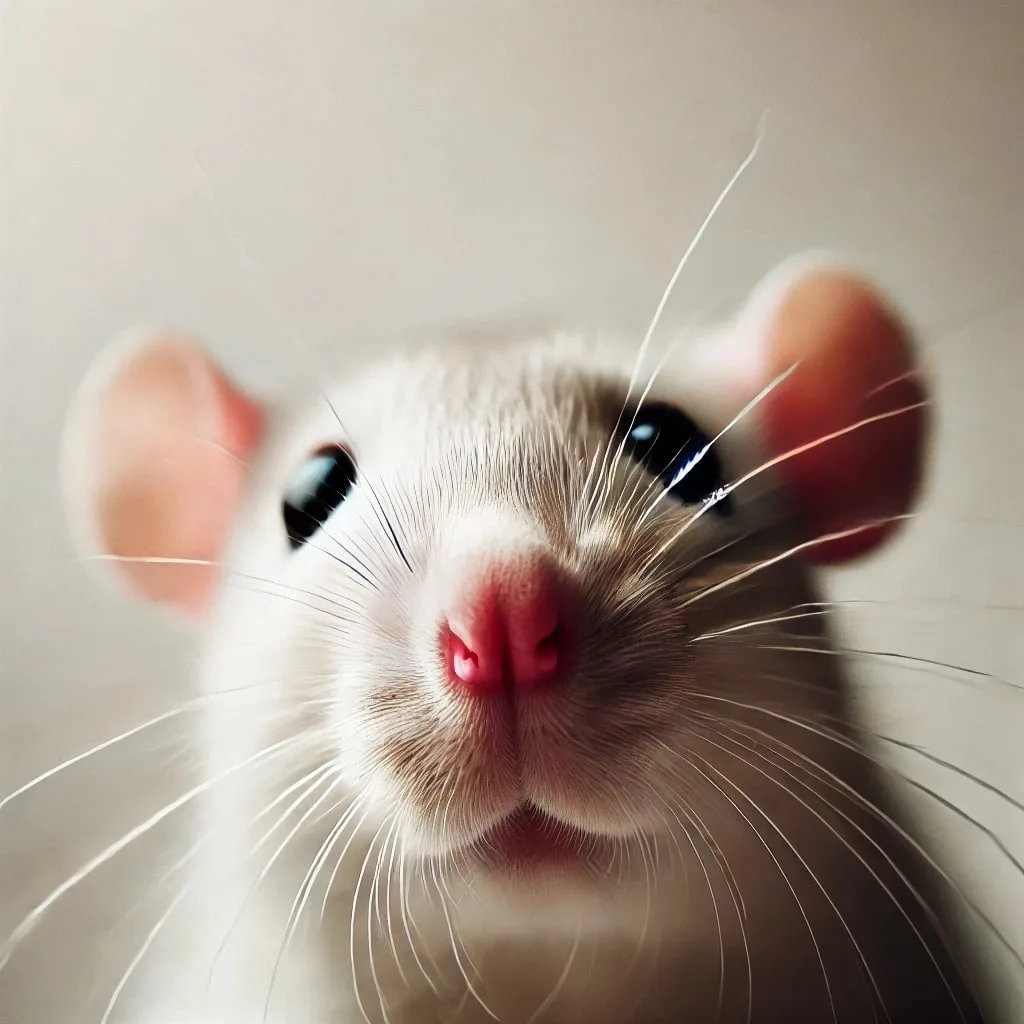
Hampton Roads does not need a hard freeze to start the fall rodent conversation. When humid October evenings begin to cool, field mice and Norway rats can start scouting for protected harborage. They follow the sheltered air currents and openings around a home, then settle into crawl spaces where insulation, vapor barriers and stored materials offer cover.
That transition looks different around the region. Great Neck homes sit near wooded lots and tidal inlets. Western Branch properties can have drainage, mature landscaping and busy foundation edges. Poquoson’s low, water-shaped landscape creates its own mix of moisture and access challenges. In all three places, the first rodent visit may happen weeks before a homeowner hears anything upstairs.
Why rodents scout before cold weather arrives
Rodents are looking for food, water and a place to stay out of weather. A crawl space supplies the last two, especially when a loose access door or damaged vent creates a protected route. They do not wait for winter to test those openings. A cooler night can be enough to make a dry, quiet void under the floor more attractive than the exposed yard.
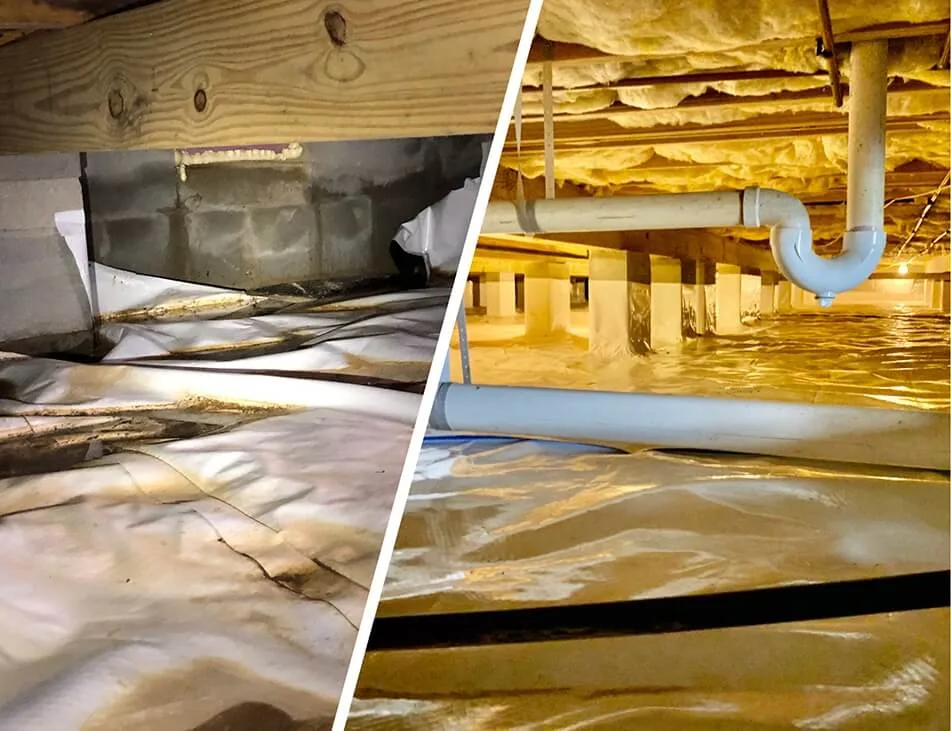
Once inside, a mouse or rat may pull at fiberglass insulation for nesting material, chew a vapor barrier or gnaw flexible ductwork. Droppings and nesting debris can create odor, and damage below the floor can affect comfort above it. The “stack effect” also matters: air moving between the crawl space and living space can carry odors and fine contaminants through gaps around the floor system.
Four crawl-space entry points to check now
- The access door. Make sure it closes against a solid frame and that the threshold does not leave a daylight-sized gap. Do not rely on a piece of cardboard or loose foam as a permanent repair.
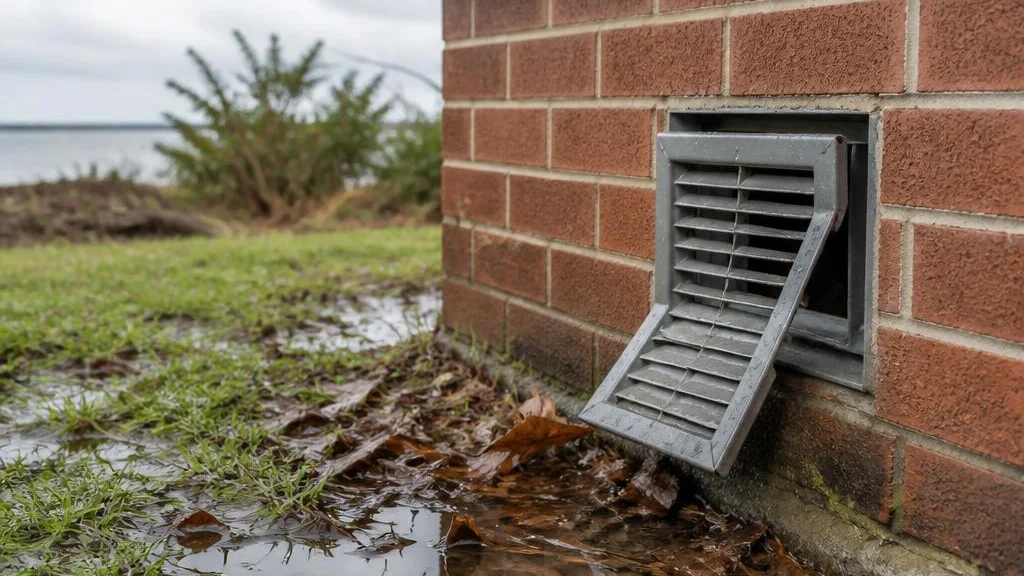
- Foundation vents. Look for broken screens, open louvers and places where the vent frame has pulled away from masonry. A vent can look intact from the yard while its mesh is missing behind the grille.
- Pipe and cable penetrations. Mice can use irregular gaps around plumbing, electrical conduits and HVAC lines. The correct repair depends on the material and whether the penetration must remain serviceable.
- Door and sill transitions. Check where additions, porches and steps meet the original foundation. Settling can open a narrow path that is easy to miss behind lattice or landscaping.
Do not crawl into a dark or contaminated space to chase a rodent. Photograph what you can safely see, note where you heard movement, and keep children and pets away from droppings or nesting material until the area is assessed.
Exclusion comes before replacing what rodents damaged
Removing dirty insulation or cleaning a duct does not stop a rodent from returning through the same opening. A useful sequence starts with a rodent inspection and exclusion plan: identify activity, map the entry points, close appropriate openings, and then address contaminated materials or damaged equipment.
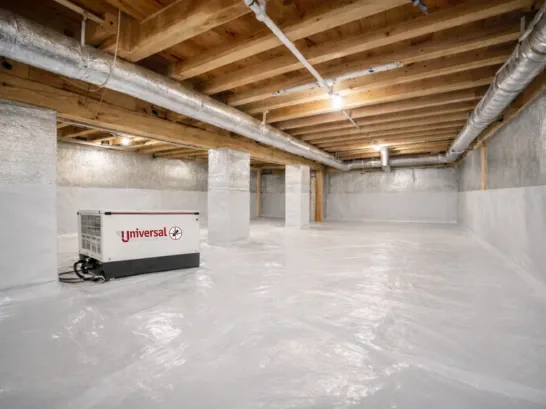
When insulation has been pulled down or soiled, Universal Insulation Doctor can handle removal and replacement with Pest Guard Insulation where appropriate. If a rodent has opened a duct run or left debris in the air-distribution system, Universal Duct Cleaning can evaluate that part of the cleanup. Coordinating the work keeps a cosmetic repair from hiding an active entry route.
What to do before the first cool stretch
Move birdseed and pet food into sealed containers, trim vegetation away from the foundation, and keep firewood elevated and away from the house. Check crawl-space doors and vents from the exterior. If you see droppings, hear movement under the floor or find shredded insulation, do not wait for a freezing night to call.
Call (757) 502-0200 for a same-day rodent inspection and crawl-space evaluation. Catching the route while it is still a small repair is easier than restoring insulation, ductwork and flooring after a season of nesting.
Frequently Asked Questions
Do mice really enter crawl spaces before fall?
Mice can investigate crawl-space openings whenever food, shelter and a protected route are available. Cooling late-summer evenings may make those spaces more attractive, but the important signal is evidence at an entry point or inside the crawl space, not a particular temperature.
What crawl-space openings should I check for rodents?
Start with the access door, foundation vents, pipe and cable penetrations, and the transitions where porches or additions meet the original foundation. Look for daylight, broken screens, pulled-away frames and irregular gaps rather than relying on the exterior appearance of a vent or door.
Should I replace insulation before sealing a rodent entry point?
Usually, the entry route should be identified and addressed before damaged insulation is replaced. Otherwise rodents can return and soil the new material. Exclusion can be coordinated with insulation removal, replacement and any duct evaluation the crawl space needs.
How can I tell whether crawl-space rodent evidence is current?
Fresh droppings, a clean-looking runway through dust, newly shredded insulation, recent gnaw marks and a sharp new odor are stronger clues than a single old dropping. Photograph the area from a safe location and have the evidence checked without disturbing nesting material or damaged wiring.
Will rodent exclusion protect my crawl-space insulation?
Sealing the openings removes the route that lets new rodents return, but it does not restore insulation that has been pulled down, compressed or contaminated. The practical sequence is to identify activity, close appropriate entry points, then assess cleanup, insulation and ductwork needs.