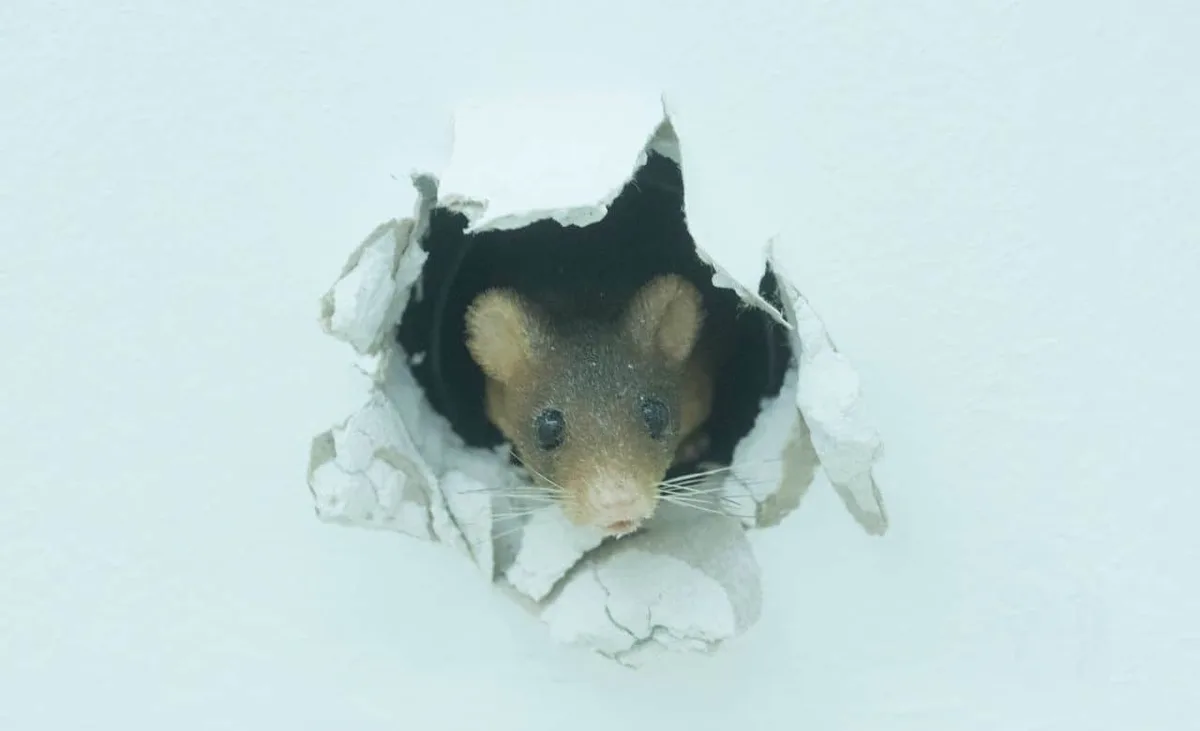
Rodent droppings in an attic, crawl space, garage, or utility room are not just an unpleasant chore. They are evidence that an animal has been using the space, and the surrounding insulation, nesting material, ductwork, and framing October need attention too. In humid Hampton Roads homes, contamination can remain hidden beneath insulation or in corners that are difficult to reach safely.
The safest cleanup plan starts with controlling the activity, limiting exposure, documenting what is visible, and then deciding what can be cleaned versus what needs to be removed. Dry sweeping or vacuuming first can spread contaminated dust before the source and the entry route have been addressed.
Why rodent droppings need more than a quick vacuum
Droppings, urine, nesting debris, and soiled insulation can all point to a larger area of activity than the first visible pile suggests. A technician looks at the pattern, age, odor, nesting material, and nearby damage rather than treating one spot as the whole problem.
- Keep children and pets out of the area until it has been assessed.
- Do not dry sweep, blow, or vacuum droppings and nesting debris.
- Do not handle chewed wiring, damaged ducts, or heavily soiled insulation.
- Take photographs from a safe position and note where sounds or odors occur.
- Move food, pet food, and stored textiles away from the affected area.
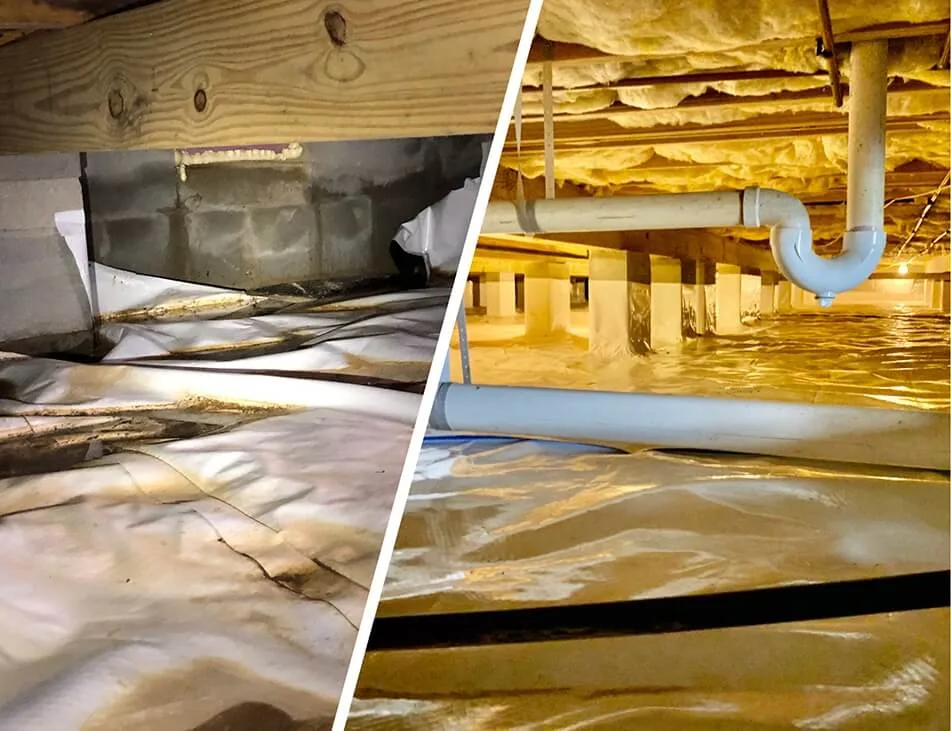
What professional rodent cleanup usually includes
A cleanup visit should connect the visible contamination to the condition of the building. The exact scope depends on whether the activity was in a finished room, attic, crawl space, garage, or near the HVAC system.
| Stage | What it answers |
|---|---|
| Assessment | Where is the activity, and which materials were exposed? |
| Control | Has the active rodent problem been addressed before cleanup begins? |
| Removal | What debris, insulation, or nesting material cannot be safely left in place? |
| Sanitizing | How will the exposed surfaces be cleaned and treated? |
| Prevention | Which entry point needs repair so the area does not become contaminated again? |
When insulation, ductwork, or framing needs extra attention
Loose fiberglass batts can hold droppings, urine, nesting material, and odor below a floor or beside an attic wall. A cleanable surface and a contaminated porous material are not the same thing, so the decision should follow an inspection rather than a blanket promise to remove everything.
Ductwork deserves its own assessment when rodents have nested beside an air return, chewed a flexible run, or left debris near an opening. Cleaning the floor around a duct does not repair a torn liner or determine whether contamination entered the air-delivery system.
Framing, subflooring, and masonry October be cleanable when they are structurally sound and accessible. If moisture, rot, damaged wiring, or a compromised crawl-space environment is also present, the cleanup plan October need to coordinate with insulation, duct, electrical, or structural work.
Frequently Asked Questions
Can I vacuum rodent droppings myself?
Do not dry sweep or vacuum rodent droppings and nesting debris before the area has been assessed and prepared for safe cleanup.
Keep people and pets away, avoid stirring up dust, and photograph the area from a safe position. A professional can determine how far the contamination extends and what protective steps are appropriate.
How do I know if rodent-contaminated insulation needs to be removed?
Insulation may need removal when it is heavily soiled, holds nesting material or odor, or cannot be cleaned without disturbing contamination.
The answer depends on the material, the extent of the activity, moisture conditions, and whether the affected area can be reached safely. A cleanup assessment should separate damaged porous material from surfaces that can be treated.
Does rodent cleanup remove the animals too?
Cleanup addresses contamination and damaged material, but active rodent control must be handled before or alongside cleanup so the area does not become contaminated again.
The order usually matters: identify the activity, control or remove the rodents, repair the entry route, then clean and restore the affected space.
What is different about cleaning an attic versus a crawl space?
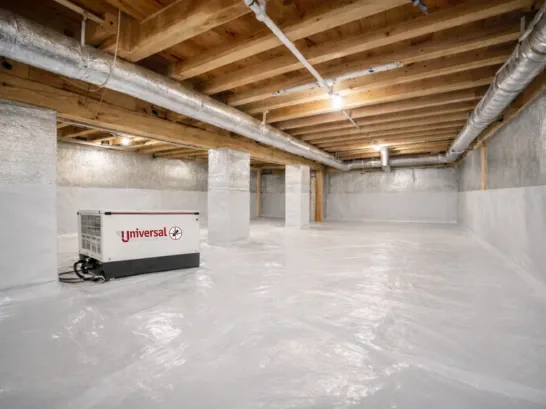
Attic and crawl-space cleanup use the same safety-first principle, but access, insulation type, ventilation, ductwork, and moisture conditions change the scope of work.
An attic October involve blown-in insulation, roofline routes, and air returns. A crawl space October involve exposed soil, sagging batts, foundation vents, vapor barriers, and damp framing.
When should I call for professional rodent cleanup?
Call for an assessment when droppings keep returning, the affected area is large or inaccessible, insulation or ducts are involved, or you find odor, nesting material, or damaged wiring.
Do not enter a contaminated or poorly ventilated space just to confirm what is happening. The first visit should establish the cleanup boundary and the work needed to keep the problem from returning.
What to do before the cleanup visit
Keep the area closed, make a note of when you hear movement, and leave droppings and nesting material undisturbed. If you can safely see an exterior opening, photograph it rather than reaching into a soffit, crawl-space vent, or wall void.
Universal Pest & Termite can coordinate the rodent control and entry-point work first, while insulation services and duct cleaning address the materials that need their own assessment. Start with a rodent inspection or request a cleanup assessment so the scope is based on evidence.
Local service information is available for Virginia Beach pest control, Chesapeake pest control, and Norfolk pest control.