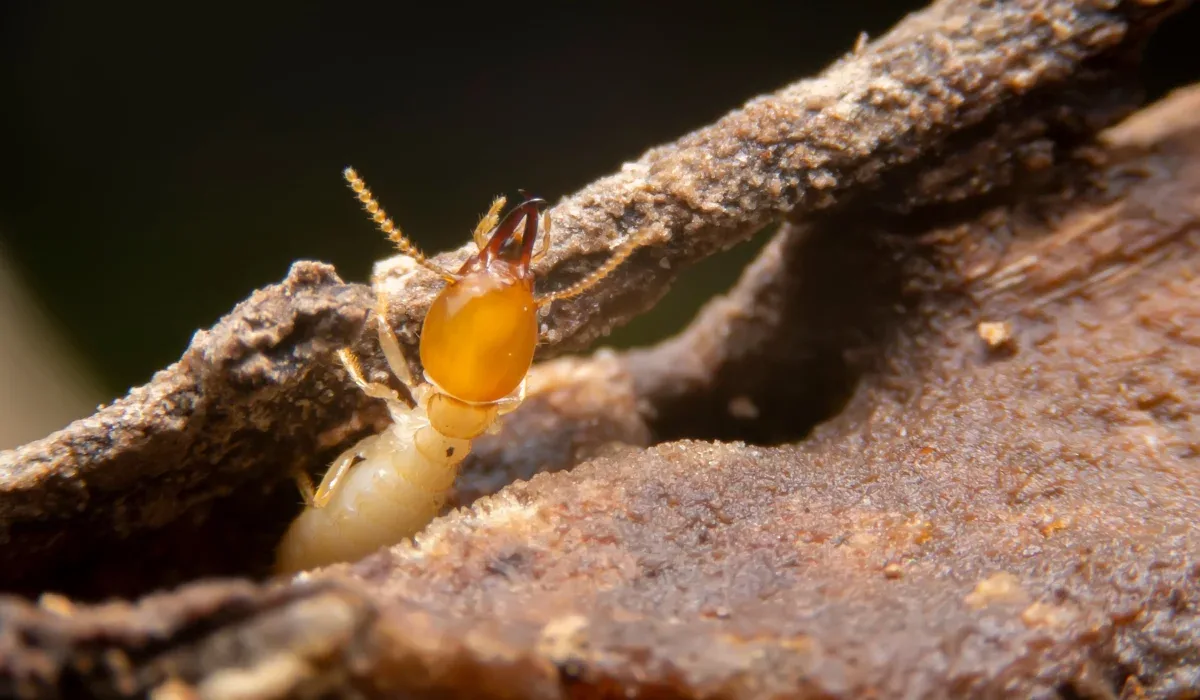
Homes in Chesapeake face ongoing moisture challenges. Coastal weather, frequent storms, and naturally high humidity levels create conditions that allow termites to thrive around structures. When excess moisture accumulates around a home or commercial property, it attracts termites seeking damp wood and protected nesting areas.
Many homeowners do not notice termite activity until damage appears inside walls or flooring. By that point, a termite colony may already be established in the crawl space or behind drywall. Understanding how moisture levels increase termite risk helps property owners take action before a termite infestation becomes costly.
Key Takeaways
- Excess moisture around a structure creates ideal conditions for termite activity.
- Subterranean termites rely on moisture sources near foundations and crawl spaces.
- Moisture meters help pest inspections detect hidden moisture content in wood and drywall.
- Addressing moisture problems early reduces the likelihood of termite damage.
How Moisture Levels Increase Termite Risk
Moisture plays a direct role in termite survival and colony growth. Pest management professionals often discover termite infestations where moisture issues keep wood damp for long periods.
Soil Moisture Around the Foundation
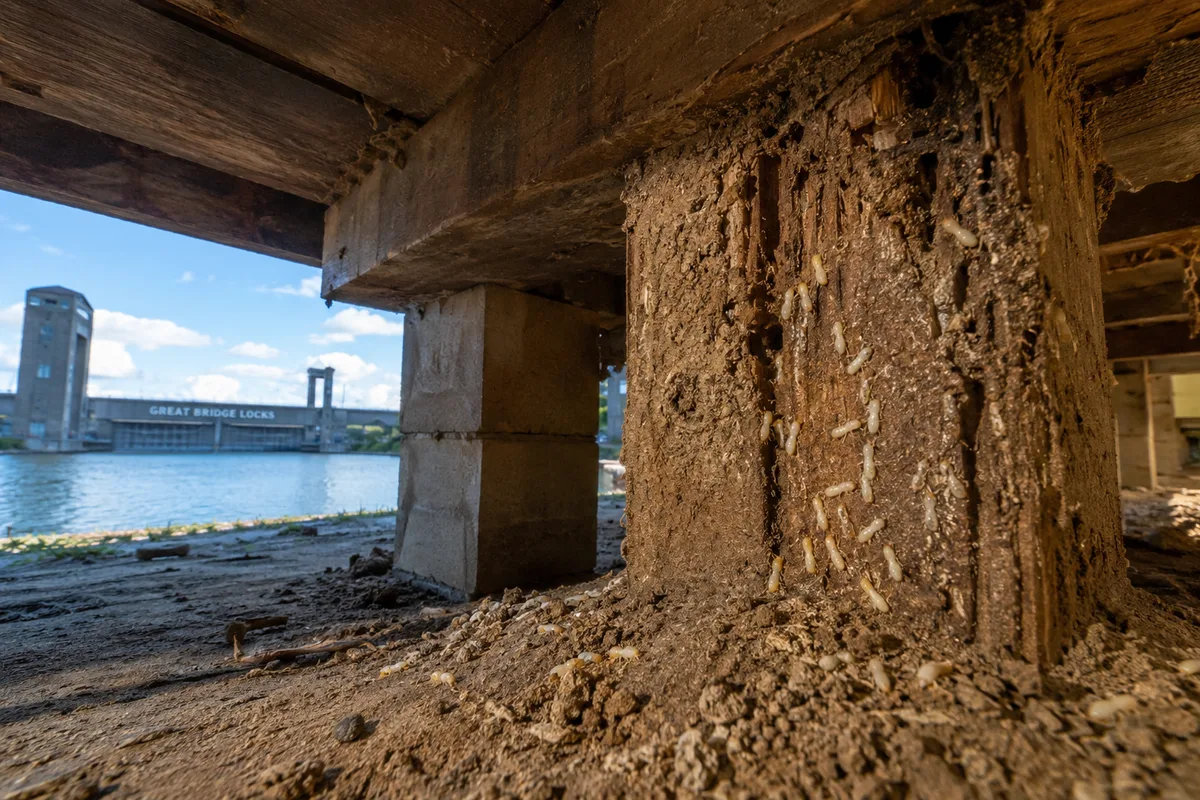
Subterranean termites depend on soil moisture to survive. When soil near the foundation stays wet due to poor drainage or nearby water sources, termites can build mud tubes and reach structural wood.
This condition often appears near downspouts, clogged gutters, or areas where rainwater collects. Once termites reach wooden framing or support beams, they begin feeding and expanding their termite colony inside the structure.
Plumbing Leaks and Interior Moisture
Hidden plumbing leaks create ideal conditions for termite activity. Slow leaks behind walls, beneath sinks, or near water heaters keep nearby building materials damp. Over time, this excess moisture weakens wood and invites termites to settle in.
During pest and termite inspections, technicians frequently find termite damage near leaking pipes or water supply lines. A small moisture problem can quickly become a larger termite infestation if it remains unnoticed.
Crawl Space Humidity
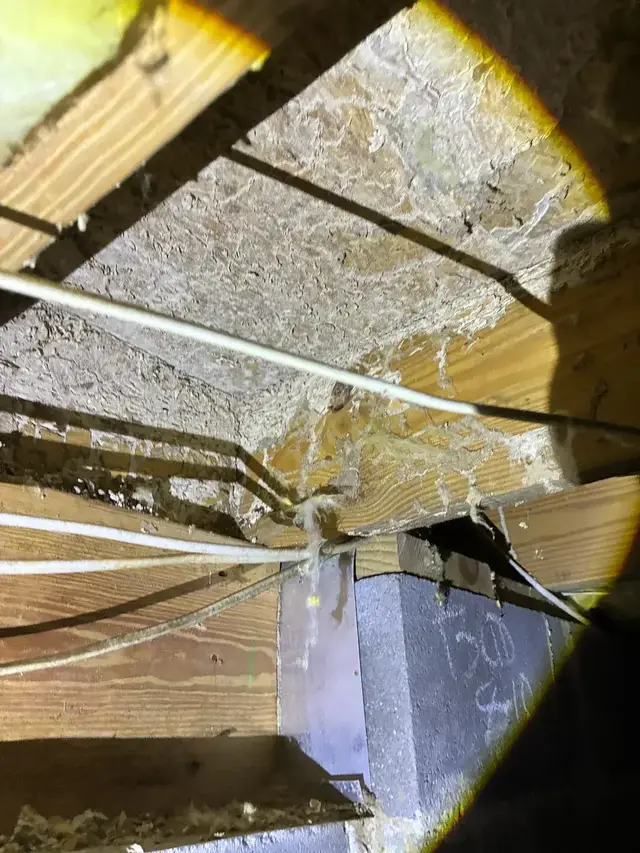
Many Chesapeake homes include crawl space foundations, which are especially vulnerable to moisture buildup. When humidity levels remain high beneath a home, wooden joists and supports absorb moisture over time.
High humidity and poor airflow allow moisture content in wood to rise above safe levels. Once wood remains damp long enough, subterranean termites move in and begin feeding.
Moisture Meter Readings and What They Mean
During pest inspections, technicians often use a moisture meter to evaluate moisture content in building materials. These devices provide accurate readings that reveal hidden moisture problems behind walls or beneath flooring.
Normal Moisture Range
In most homes, normal moisture content in wood ranges between 6 and 12 percent. When readings stay within this range, termite activity is less likely because wood remains dry.
Technicians still monitor these areas during termite inspections. Even normal readings can increase if humidity rises or water damage occurs nearby.
Elevated Moisture Readings
A moisture reading between 13 and 19 percent suggests a developing moisture problem. While termites may not be present yet, this range signals that building materials are absorbing more moisture than they should.
Pest management professionals often recommend investigating the source of moisture at this stage. Fixing leaks or drainage issues early prevents conditions that attract termites.
High Moisture Levels
Moisture readings above 20 percent indicate a high moisture environment. Wood with this level of moisture content becomes highly attractive to subterranean termites and other wood-damaging pests.
High moisture often appears near crawl space supports, roof leaks, or long-term water damage. At this stage, termite control measures and moisture remediation may both be necessary.
The Moisture Problem Areas Termites Prefer
Certain areas of a structure are more likely to hold moisture. Pest inspections often focus on these locations because they often show early-termite activity.
Crawl Space Framing
The crawl space is one of the most common locations where termite colonies gain access to a home. Wood supports and floor joists often absorb moisture when airflow is limited.
When moisture levels remain high in this area, termites build mud tubes from the soil to the wood framing. This hidden location allows them to expand without being detected immediately.
Damaged Gutters and Drainage
Clogged or damaged gutters allow rainwater to overflow and collect near the foundation. Over time, standing water saturates the soil and raises the moisture content of nearby building materials.
Pest control professionals often find termite activity along exterior walls where gutters direct water toward the structure instead of away from it. This is where termite treatment is much needed.
Interior Wall Moisture
Water damage behind drywall can remain hidden for months or even years. Roof leaks, window leaks, or plumbing failures may keep the wood framing damp.
Once termites discover these areas, they begin feeding inside the wall cavities. Because the damage occurs behind drywall, homeowners may not notice the problem until the termite infestation grows larger.
Moisture Fixes That Reduce Termite Risk
Professional termite management always includes addressing the conditions that allow termites to thrive. Reducing moisture sources is one of the most effective ways to prevent future infestations.
Crawl Space Ventilation and Encapsulation
Improving airflow in a crawl space lowers humidity levels and reduces moisture buildup. Many pest management professionals recommend crawl space encapsulation or vapor barriers to control moisture.
By sealing the ground surface and controlling airflow, these improvements prevent termites from finding the damp wood they prefer.
Gutter and Drainage Improvements
Proper drainage helps move water away from the structure. Clean gutters, extended downspouts, and proper grading prevent rainwater from pooling near foundations.
When water drains properly, the soil remains drier and less attractive to subterranean termites seeking a moisture source.
Repairing Plumbing and Water Damage
Fixing plumbing leaks quickly prevents long-term moisture damage. Even small drips can keep wood damp enough to attract termites.
During home inspections or pest inspections, technicians often recommend repairing leaks and replacing damaged drywall or wood framing. This type of remediation removes the moisture problem that allowed termites to move in.
Schedule a Termite Inspection in Chesapeake
Moisture problems and termite infestations often go hand in hand. In Chesapeake, high humidity and frequent rain make it easier for termites to find the moisture they need to survive.
Universal Pest & Termite helps identify early termite activity before significant termite damage occurs. During these visits, technicians check crawl spaces, structural wood, and moisture levels using specialized tools like a moisture meter.
If you suspect moisture issues or want to protect your home or business, scheduling a professional inspection is the best step forward. Contact us to schedule a termite inspection in Chesapeake and learn how our experienced team handles termite control, pest inspections, and long-term termite management.