Why rats crowd the sand-flat neighborhoods
Ocean View and Willoughby Spit sit on sand at barely above sea level, so there is no dry subgrade for Norway rats to burrow into during a wet spell—they push up into vented crawl spaces and garage transitions to stay off the saturated ground. The frame cottages of Colonial Place, built in the 1920s and 30s on block piers, give roof rats the tight rooflines and vine cover they like to climb. Along the Lafayette River, the tidal edge keeps the water table high year round, so burrows collapse and rats stay close to foundations instead. Norway rats, roof rats, and house mice are the usual three here, and picking the right trap depends on which one you are chasing, because a ground burrower and a climber travel different paths.
How to read an active infestation
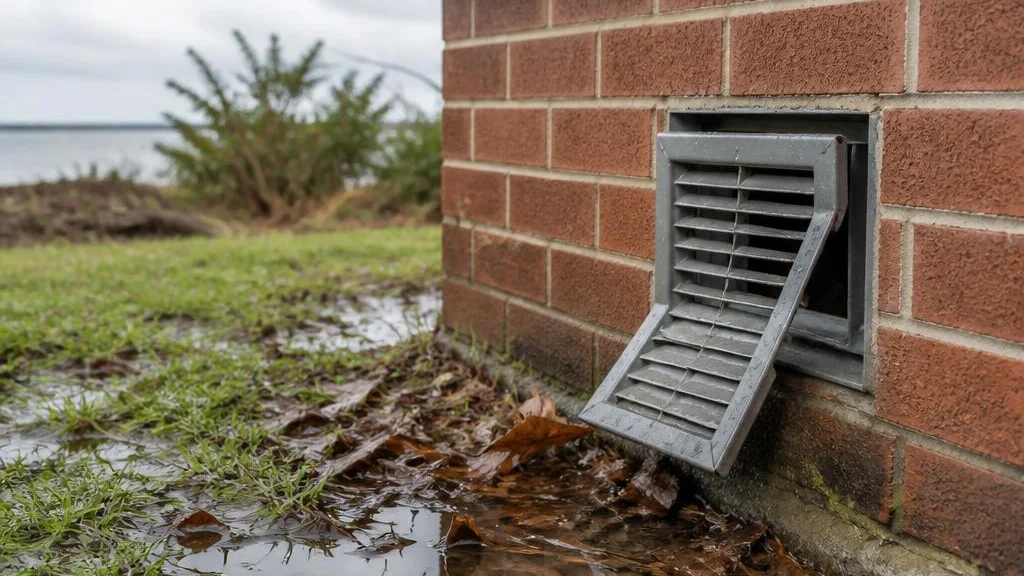
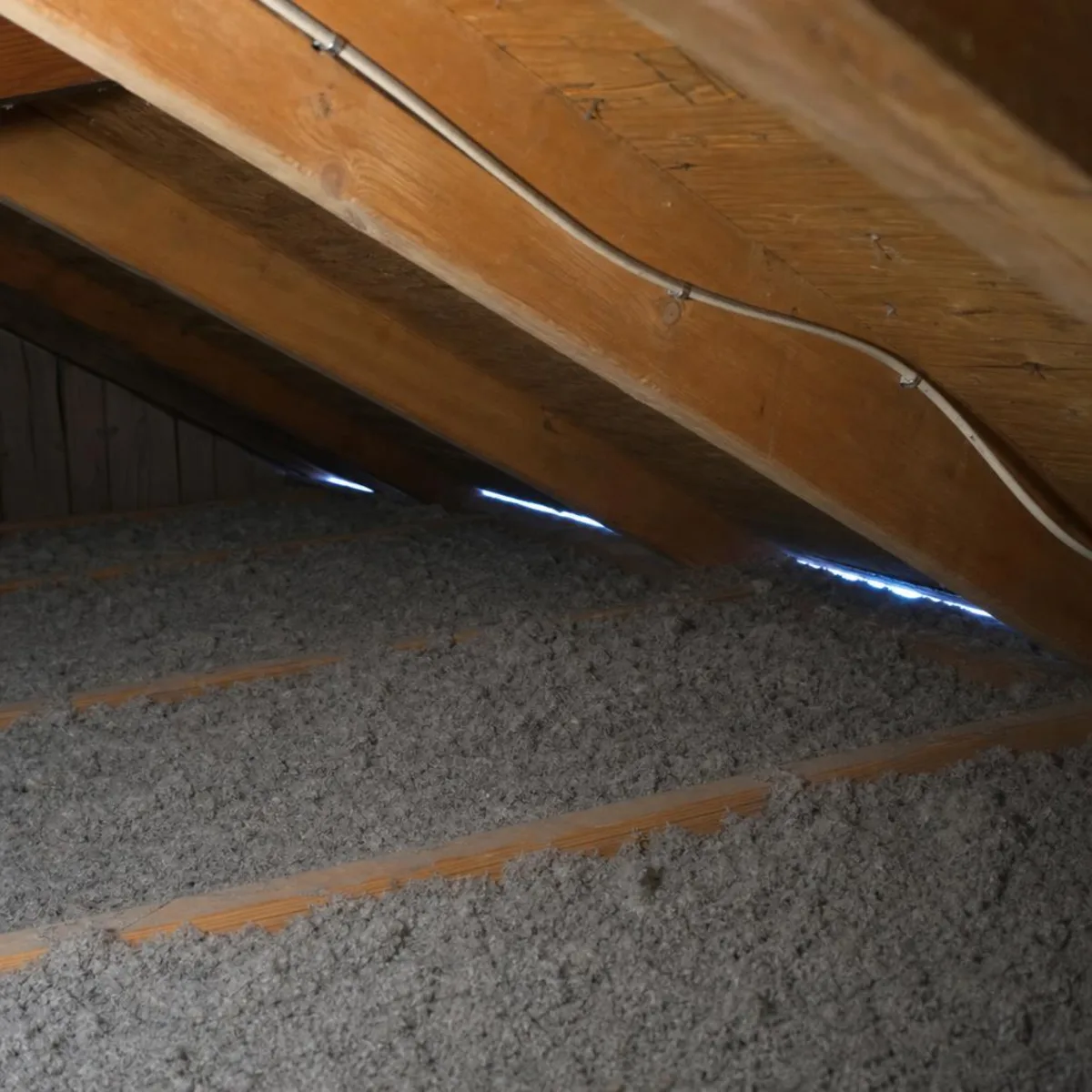
- Fresh droppings, chew marks, greasy rub marks along a joist, shredded insulation, and burrows at the foundation are the classic tells. Walk the inside and the outside, because on a Willoughby Spit lot the runway usually starts at a crawl-space vent facing the water, not at the door.
- A musty smell plus gnawed material in a crawl space or attic means steady movement. On the older Colonial Place frame homes, follow the rub marks up the pier and along the sill plate—roof rats hug those edges before they reach the gable.
- Outside, scan the foundation, utility penetrations, and fence lines. Keep bin lids down and clean up spillover so a rat colony near the Wards Corner corridor’s restaurants and dumpsters does not have a food bridge into the block behind it.
What the homeowner sees vs. what it means vs. what fixes it
- Droppings and grease marks along a crawl-space sill. Rats are running the foundation line, not nesting overhead yet. Fix: snap traps set against the wall with the trigger toward the sill, checked daily.
- Scratching in the ceiling of a Colonial Place cottage. Roof rats have climbed a vine or utility line to the gable. Fix: trim the climbing route, trap in the attic, then seal the eave and vent.
- Collapsed burrows at a slab or pier after heavy rain near the Lafayette River. The high water table is driving Norway rats up into the crawl space. Fix: hardware-cloth the vents and low openings, then trap the interior runways.
- Rats appearing on a whole block near Wards Corner. A commercial food source is feeding the population. Fix: coordinate bin management and exterior stations, not just indoor traps.
Traps and placement that actually pull rats
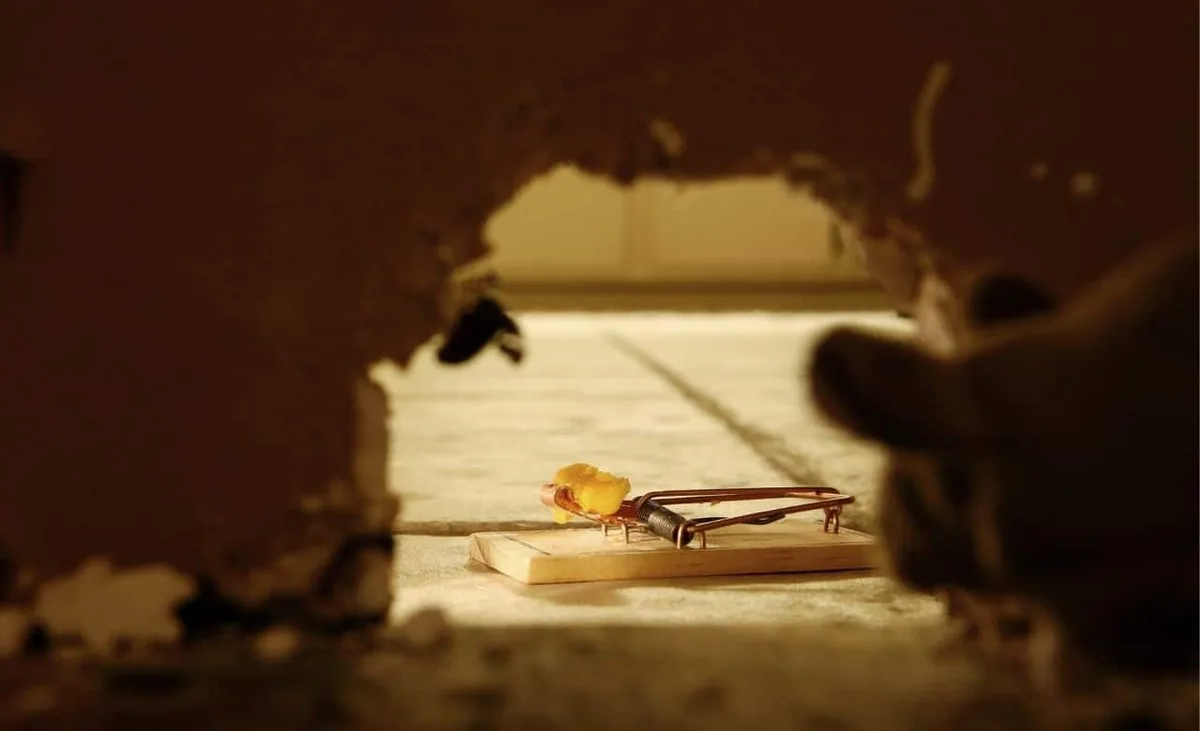
Old-school snap traps still do the heavy lifting: set them along walls where rodents run, baited end toward the wall, and keep them away from kids and pets or use enclosed stations. On the tight Ocean View lots where garages open right onto sandy alleys, double up traps at the garage transition and the crawl-space hatch, since that is the pinch point between the yard and the house. Pair trapping with sealing and cleanup instead of leaning on indoor pesticide—that is integrated pest management in plain action.
Setting rat traps safely in older frame homes
Pre-bait without setting for a night or two so a wary rat gets comfortable, then arm several at once to beat its caution; face the trigger toward the wall and check daily. Use gloves for handling and cleanup to avoid contact with droppings. In the 1920s frame stock around Colonial Place, the framing gaps behind baseboards and around old gas lines make good ambush points, because a house mouse will hug those edges every trip.
Sealing entry points on crawl-space vents near the water
Sealing shuts the door for good: close small gaps, back the vents and penetrations with hardware cloth, and fix the building flaws that make entry easy. Along Willoughby Spit and Ocean View, the wood-framed crawl-space vents rot and warp in the salt air, so a rat that could not chew a sound vent walks through a soft one—check every vent frame on a sand-flat home before you trust the trap line. Those are the same practical steps that mirror what works best for Hampton Roads homes, especially with a dependable pest control service.
Why prevention holds after removal
Close the gaps, store pet food and bird seed in chew-resistant containers, keep bins covered, and trim plantings back off the siding. On a Lafayette River lot, keep firewood and stored gear up off the damp ground, because anything sitting on saturated soil becomes harborage within a season. If another animal is also getting in through a rotted eave, have that intrusion assessed separately as part of the exclusion plan.
Keeping rats out through the humid summer
Humidity lets pests hang on, so dry it out: dehumidify the crawl space, fix leaks, and clear clutter so nesting is hard and moisture does not linger. On the low sand of Ocean View, the crawl space can stay damp long after a storm, which keeps rats and the insects they scavenge in place, so a working vapor barrier and moving air matter as much as the traps. Exclusion and sanitation are continuous, not one-off, and they support the wider pest control work when it is needed.
When to call a professional
If traps and sealing do not break the pattern—or the entry points hide in the attic, crawl space, or exterior penetrations—most homeowners call a licensed company for a full inspection, durable sealing, and a compliant setup. Ongoing chewing near electrical wiring or a burrow that keeps reopening after a Lafayette River tide means it is time to escalate.
Frequently Asked Questions
[sp_easyaccordion id=”9881″]
Take control of rats and mice at home
The simple order holds: seal up, trap, and clean up, then stay consistent so they cannot return. Quick checks keep small gaps and food sources from undoing your work. On the sand-flat blocks near the water, the vents and the crawl space are where the fight is won.
Time To Bring In Rodent Control Specialists
When a rat problem drags on, it is usually hidden entry points or a nearby food source doing it. Most homeowners along Ocean View and the Wards Corner corridor call licensed pros for inspection, sealing, trapping, and cleanup, then keep up routine service. Universal Pest & Termite, Inc. can handle the inspection, exclusion, and trapping and lay out a straightforward plan to protect the home.
Call Universal Pest & Termite, Inc. at (757) 502-0200 or visit our Virginia Beach office at 5600 Greenwich Rd, Virginia Beach, VA 23462, to schedule service across Hampton Roads.