A rat's front teeth never stop growing, so it gnaws constantly. In a Churchland or Cradock attic the handiest thing to chew is the wiring stapled along the joists, which is how a rodent problem turns into a fire hazard overhead.
Why do rats chew on attic wiring at all?
Rodent incisors grow continuously, and a rat files them down by gnawing whatever is firm and the right diameter. Electrical cable is ideal — the plastic sheath is easy to grip, and the runs sit exactly along the joists and top plates where rats already travel. They are not attracted to current; the wire is simply the most convenient thing to chew on their route.
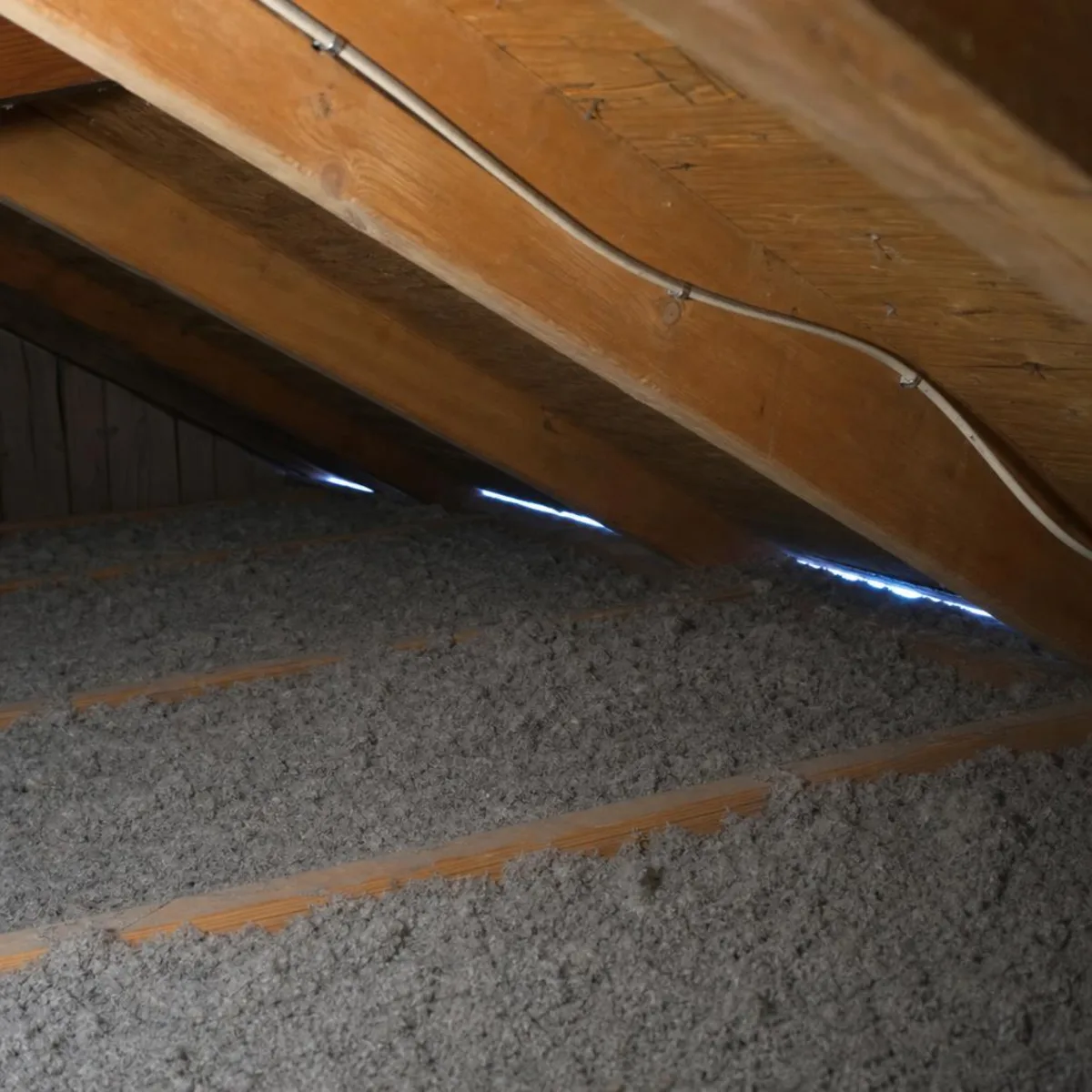
The habit is compulsive, not occasional. A rat working a nightly runway strips the sheath off the same cable repeatedly, exposing the copper underneath. Once bare wire sits in loose attic insulation you have conductors, combustible material, and no one able to see it from the living space below. That whole path — constant gnawing, cable runs at rodent height, exposed copper in insulation — is why we treat chewed wiring as the urgent part of any attic rodent job, ahead of the droppings or the noise that first prompted the call.
Where does the fire risk actually sit in a Churchland or Cradock attic?
Two places. First, the horizontal cable runs stapled along the top plates and joists, which double as rat highways. Second, and more dangerous, recessed can-light fixtures buried in insulation, where a chewed wire and a heat-producing fixture meet in the same nesting pocket. Older Cradock and Churchland attics tend to have both in abundance.
Cradock's original housing stock is compact and long-lived, and many attics have seen wiring added over the decades — runs layered on top of runs, junctions tucked into corners. Cradock homes often have low, tight attic spaces where cable is easy for a rat to reach from a nesting spot. The larger, more wooded lots of Churchland add roofline access from mature pine and oak, so rats reach those attics more readily to begin with.
Recessed lighting is the part that worries technicians most. When a rat nests against a can fixture and drags insulation over it, you have a heat source, combustible nesting material, and often a gnawed feed wire in one confined spot. It is the single combination we most want to find and clear early.
What can a homeowner safely check without going near the wiring?
Look and listen, but keep clear of the electrical work itself. From a hallway at night, note whether movement overhead travels in a line — that means an animal, not the house settling. In daylight, from a safe spot at the attic hatch, look for droppings along the joists, greasy rub marks, and torn or flattened insulation. Do not handle cable or poke into fixtures.
Book a free inspection in Churchland
A flashlight from the hatch tells you a lot. Rat droppings are dark and spindle-shaped and collect along runways — the top plates and tops of joists. Greasy brown smears at a rafter corner mark a route used often enough to leave oil from the animal's fur. What you should not do is pull insulation aside to inspect wiring or reach into a recessed fixture; if a wire is already chewed, disturbing it is how an incident starts. Note what you can see from a safe distance, then let a technician trace the runways. Our rodent control and rat control pages explain how that inspection works.
What exclusion work ends the problem for good?
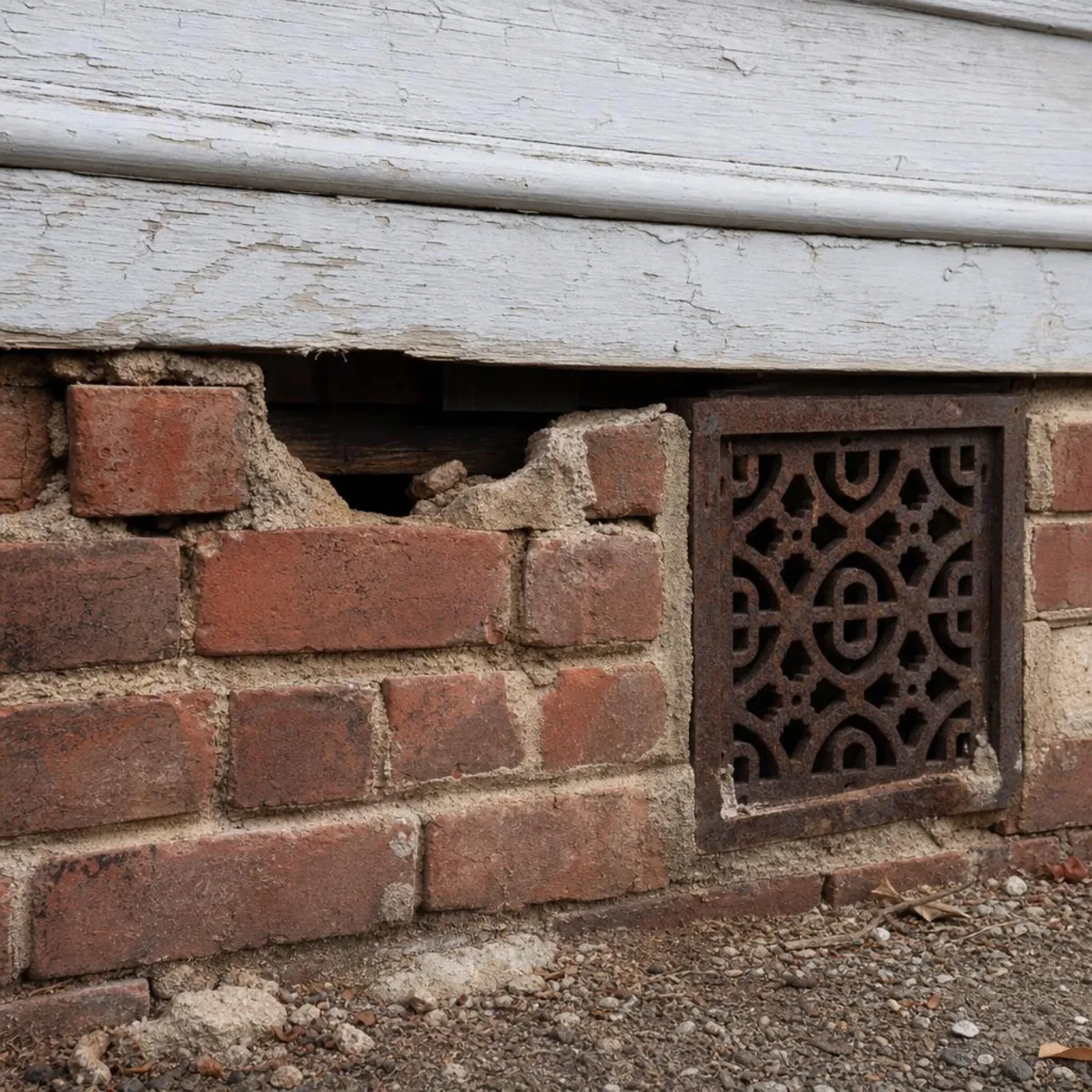
Trap out the animals present, then seal every opening a rat can use with metal — not foam or caulk, which they chew straight through. Any hole a rat can push its skull through, roughly a quarter across, is an entry point. Sealing the roofline vents, soffit returns and utility penetrations is what keeps the attic empty once it is cleared, so the wiring stops being a target.
See how pest exclusion works in Portsmouth
Trapping comes first because it clears the current population and confirms where the animals move; snap stations go on the active runways the greasy trails reveal, and falling activity tells us the attic is sealing up rather than still open.
Sealing decides whether the problem returns. Every roofline gap gets closed with rigid metal flashing and stainless mesh, because a rat's jaw defeats anything softer — ridge vents screened, soffit returns closed, damaged fascia repaired before it is sealed. That is the core of pest exclusion, and the Churchland and Cradock rooflines we handle are mapped on the Portsmouth pest control page.
| The warning sign overhead | Why the attic invites it | The work that ends it |
|---|---|---|
| Flickering or dead attic circuit | Gnawed sheath exposing copper on a joist-run cable | Trapping, then metal sealing so the runway is abandoned |
| Line-of-travel scratching after dark | Rats running the top plates along a nightly route | Snap stations on the active runways, then roofline exclusion |
| Nesting debris around a recessed can light | Tight Cradock attic puts nesting pockets against hot fixtures | Clear the nest, seal entry, keep insulation off the fixture |
| Rats reaching a Churchland attic easily | Mature pine and oak branches bridge to the roofline | Trim contact limbs and seal the eave the branch reaches |
| Quarter-sized gap at a soffit return | Rats enlarge any opening near that size to get in | Rigid flashing and stainless mesh at every roofline gap |
| Torn flex duct in the attic | Rats open the run to nest in the warm, hidden space inside | Seal the attic, then clean or replace the fouled ductwork |
Cable is not the only casualty of a rat working an attic. A favorite move is to gnaw into a flex duct run and nest inside the warm sleeve, after which the furnace is blowing air over urine and shredded lining straight into the bedroom the run serves — the reason Universal Duct Cleaning usually follows a rodent job in these attics. The blown-in or batt insulation takes the other hit: rats pack it into runways and latrines until it no longer holds heat, so Universal Insulation Doctor removes the soiled fill and reinstates the R-value the attic lost.
Frequently asked questions
How would I know if rats have already chewed my wiring?
The clearest signs are electrical rather than visual: a circuit that flickers, trips, or goes dead without an obvious cause, sometimes with a faint burning smell near a fixture. From the hatch you might also spot bare copper where the sheath has been stripped along a joist. Because inspecting the cable safely means shutting power and knowing what you are looking at, this is the point to bring in a technician rather than investigate alone.
Is chewed attic wiring really a fire risk?
Yes. Exposed conductors resting in loose insulation can arc or short, and insulation is combustible, so the two together in a confined attic pocket are a genuine ignition hazard. The danger climbs where a chewed wire sits near a heat-producing recessed light. It is the reason we prioritize finding and clearing gnaw damage over cosmetic cleanup when we work an attic rodent job.
Why not just keep setting traps in the attic?
Trapping clears the rats present, but it does nothing about the openings that let them in, so the attic is available again as soon as you stop. Trap-only work tends to repeat every autumn for that reason, and every returning animal is a fresh set of teeth on your wiring. The lasting fix is sealing the roofline so the space stops being reachable in the first place.
Get a free quote in Churchland
Can I seal the entry points myself?
The gaps you can reach from a ladder, sometimes, but only with metal — rats chew through foam and caulk quickly. The larger problem is that the openings that matter most, like soffit returns and the gap behind a gutter, are usually the ones you cannot see from the ground. Missing one leaves the attic open and the wiring at risk, so it is worth having the whole roofline traced properly.
See how pest exclusion works in Portsmouth
A flickering Churchland circuit or a line of movement across a Cradock ceiling at night is not a problem to sit on when chewed cable and recessed can-lights share the same attic. The work that ends it is trapping out the current rats, then closing the ridge vents, soffit returns and utility penetrations in metal so the space stops being reachable. Book the roofline assessment on the free quote page; the roofline gets traced and every open gap photographed for you before any sealing starts.