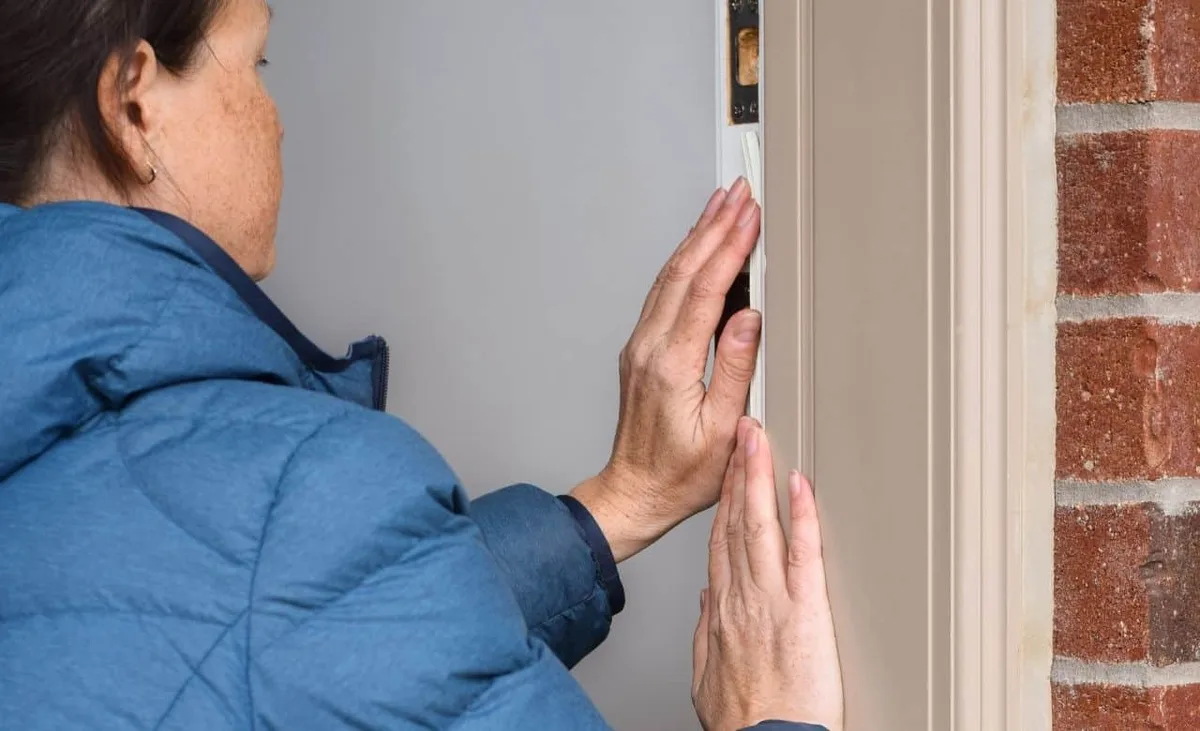
If the ceiling starts making a light, fast scratching sound after dark, the noise is usually not your imagination or the house settling. In Hampton Roads homes, a house mouse or roof rat can use a small roofline opening to reach the attic, where insulation gives it a quiet place to hide and nest.
The clues are more useful than the sound alone. Dropping size, the shape of the damage, the time of night, and the location of the entry point can help you tell whether you are dealing with rats, mice, or a different attic visitor before anyone opens the hatch.
Health concern chart: rats and mice in an attic
This is a practical household triage guide, not a diagnosis or clinical risk score. The concern rises when people disturb contaminated material or have direct contact with a rodent.
| Situation | Level | Why it matters | Safer response |
|---|---|---|---|
| Sounds or signs seen from a safe distance | Green · Lower | There may be no direct exposure if the attic and evidence are left undisturbed. | Keep people and pets away, document what you can see, and arrange an inspection. |
| Droppings, urine, or nesting material | Yellow · Elevated | Disturbing contaminated material can put unsafe particles into the air. | Do not sweep or vacuum it dry; close off the area until it can be assessed. |
| Contaminated insulation or ductwork | Red · High | Moving contaminated insulation or duct debris can spread dust through the attic or air system. | Remove the rodents and seal the entry route before professional cleanup or sanitization. |
| Bite, scratch, or direct contact | Red · High | A bite or scratch can require prompt medical advice, even when the wound looks small. | Wash the area with soap and water and contact a healthcare provider. |
| Chewed electrical wiring | Red · High | Damaged wiring adds a fire and shock hazard to the contamination concern. | Do not touch it; arrange an electrician and a rodent inspection. |
Frequently Asked Questions
What does scratching in the ceiling usually mean?
Repeated scratching, scurrying, or light running above the ceiling after dark usually points to a nocturnal rodent using the attic or a nearby wall void. A single pop or thump can be the house settling, but movement that travels along the same route is a reason to look for droppings, rub marks, and an open roofline gap.
Rats and mice are most active when the house is quiet. A mouse may sound like quick, fine taps. A rat makes a heavier, more deliberate run, with scratching or chewing that can continue for several seconds. Squirrels are more often active in the morning and late afternoon, so the clock is a useful first clue but not a complete identification.
What do mouse droppings look like in an attic?
House mouse droppings are small, dark pellets that look like grains of rice and are usually about one-eighth to one-quarter inch long. They may be scattered along insulation, joists, stored boxes, or the edge of a wall rather than collected in one large pile.
Fresh droppings tend to look darker and may have a slight sheen; older ones become dull and crumbly. Do not sweep or vacuum them dry. Disturbing droppings and nesting material can put contaminated dust into the air, so photograph what you can safely see and keep children and pets away from the attic access area until it can be assessed.
How are rat droppings different from mouse droppings?
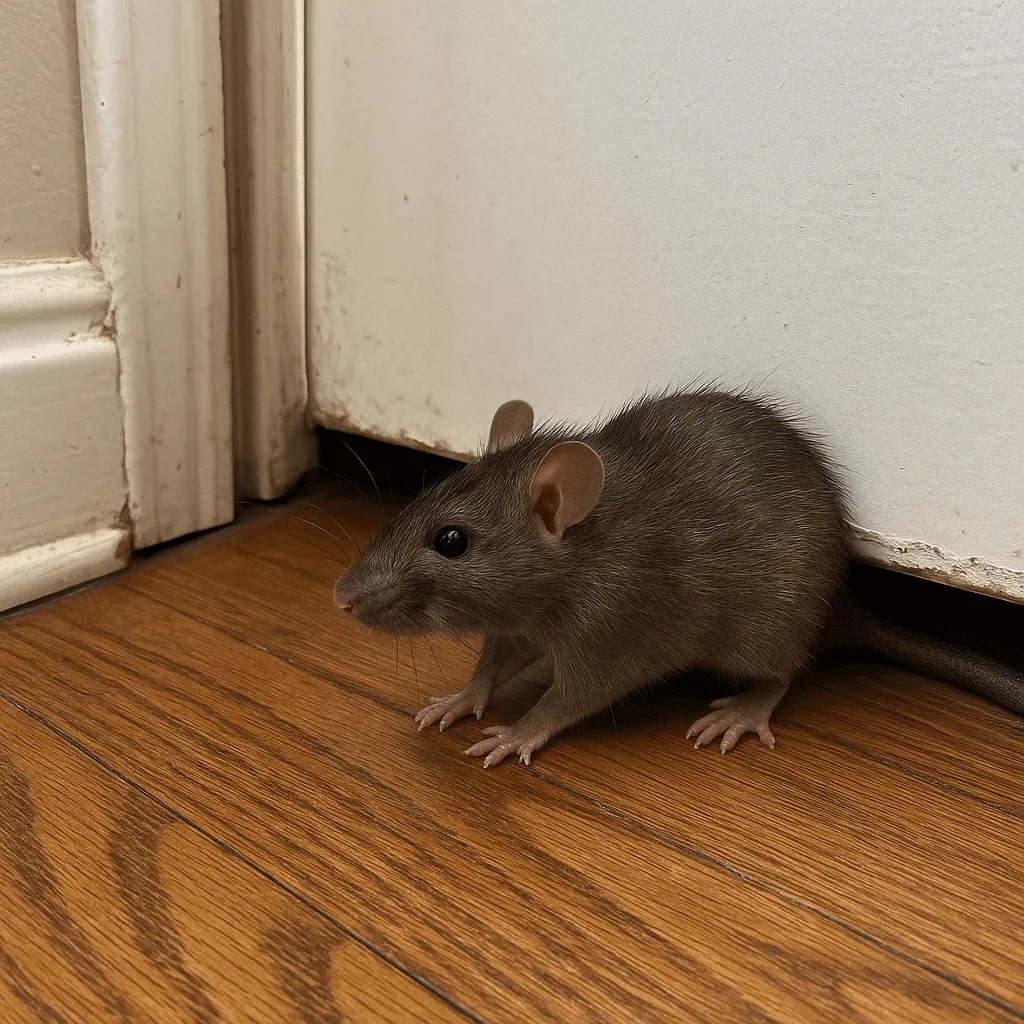
Rat droppings are larger and thicker, commonly around one-half to three-quarters of an inch long. Roof rat droppings are often dark and tapered at the ends, and you may find them grouped near a runway, nest, or entry point rather than scattered evenly through the space.
Droppings are evidence of activity, not a safe way to identify a live animal by themselves. For a closer comparison, the site’s Norway rat identification page explains the features of one rat species found in this region, while the house mouse profile covers the smaller rodent that commonly reaches attics and wall voids.
What kind of damage do attic rats and mice leave?
Rodents leave tooth marks, shredded insulation, nesting material, and grease-darkened travel routes. The most urgent damage is chewed electrical wiring, followed by torn flexible ductwork and insulation that has been flattened or fouled with urine and droppings.
Rodents gnaw because their incisors keep growing. In an attic, that can put wiring, vent screens, stored belongings, and duct insulation in the path of their teeth. Do not touch exposed or damaged wiring; have an electrician evaluate an electrical hazard, and have the rodent entry route addressed so the damage does not continue.

Look for a cleanly torn or frayed edge on insulation, gnaw marks around a vent or fascia opening, and narrow paths pressed into the insulation. A damaged duct can also pull attic air, dust, and nesting debris into the air-distribution system. If the ductwork or insulation is contaminated, attic rodent cleanup and sanitization belongs after the animals are removed and the opening is sealed.
Where do rats and mice enter a Hampton Roads attic?
Mice can fit through an opening around one-quarter inch wide, while rats may use or enlarge a gap around one-half inch wide. Common attic routes include damaged soffit returns, lifted roof or ridge-vent screens, separated fascia, gaps around utility lines, and branches that touch the roof.
Coastal weather makes small roofline failures harder to ignore. Salt air, wind, rain, and years of settling can pull screening away from a vent or open the seam where the fascia meets the gutter. Mature trees around older Virginia Beach, Chesapeake, Norfolk, and Portsmouth neighborhoods can add a direct bridge to the roof.
From the ground, look for daylight at a soffit corner, a bent vent screen, nesting material near the eaves, or a branch resting against the gutter. Do not climb onto the roof to chase an animal. A safe inspection can map the route and distinguish a current opening from old damage.
Can you tell a rat from a mouse by the sound?
Sound can narrow the possibilities but cannot identify the animal with certainty. Quick, light movement and small droppings suggest mice; heavier footsteps, longer chewing sounds, larger droppings, and greasy rub marks suggest rats. The entry point and physical evidence provide the reliable answer.
Note the time, room, direction, and duration of the noise. A short recording from below can help, but do not bang on the ceiling or enter a contaminated attic to force the animal into view. If the sound is daytime-only and includes rolling or dragging, ask about squirrels as well.
Should I use poison or traps in the attic?
Do not place loose poison in an attic or seal the only opening while an animal may still be inside. A rodent that dies in an inaccessible void creates an odor and cleanup problem, and a partial seal can push the animal farther into the house.
The safer sequence is to identify the active route, remove the animals using an appropriate plan, close the opening with rodent-resistant materials, and then clean contaminated insulation or ductwork. A professional pest exclusion inspection can show which gaps are active and which repairs will hold.
What should I do if I find rats or mice in my attic?
Keep people and pets away from droppings, nesting material, and damaged wiring; record what you can see from a safe location; then arrange an inspection that covers both removal and exclusion. Cleaning or replacing insulation before sealing the entry point can leave the attic open for the next animal.
- Write down when the noise occurs and where it seems loudest.
- Photograph droppings, shredded insulation, rub marks, and visible openings without disturbing them.
- Trim branches away from the roofline and move birdseed or pet food into sealed containers.
- Do not handle droppings dry, touch damaged wiring, or climb onto a wet roof.
- Use the evidence to request a rodent inspection and a written exclusion plan.
Our rat control and mouse control services are designed around the animal already inside and the opening it used to get there. If the signs are in your attic, a free inspection request is the right next step.
Is attic rodent damage covered by regular pest service?
Regular service can help monitor a home’s perimeter and reduce recurring pest pressure, but an active attic population, roofline exclusion, insulation replacement, and damaged ductwork may require separate project work. The right scope depends on what the inspection finds, especially whether the entry point is still open.
How fast can rats or mice damage an attic?
Damage can begin as soon as a rodent starts nesting, although the amount varies with the number of animals and how long they remain. Wiring, ductwork, insulation, and stored belongings should be checked promptly when you find fresh droppings, new gnawing, or a persistent odor.
Hearing something scurry above the ceiling?
We will inspect the evidence, find the roofline opening, and explain the order of removal, exclusion, and cleanup.
Or call (757) 502-0200. Serving Virginia Beach, Chesapeake, Norfolk, Portsmouth, Suffolk, Hampton, and the rest of Hampton Roads.