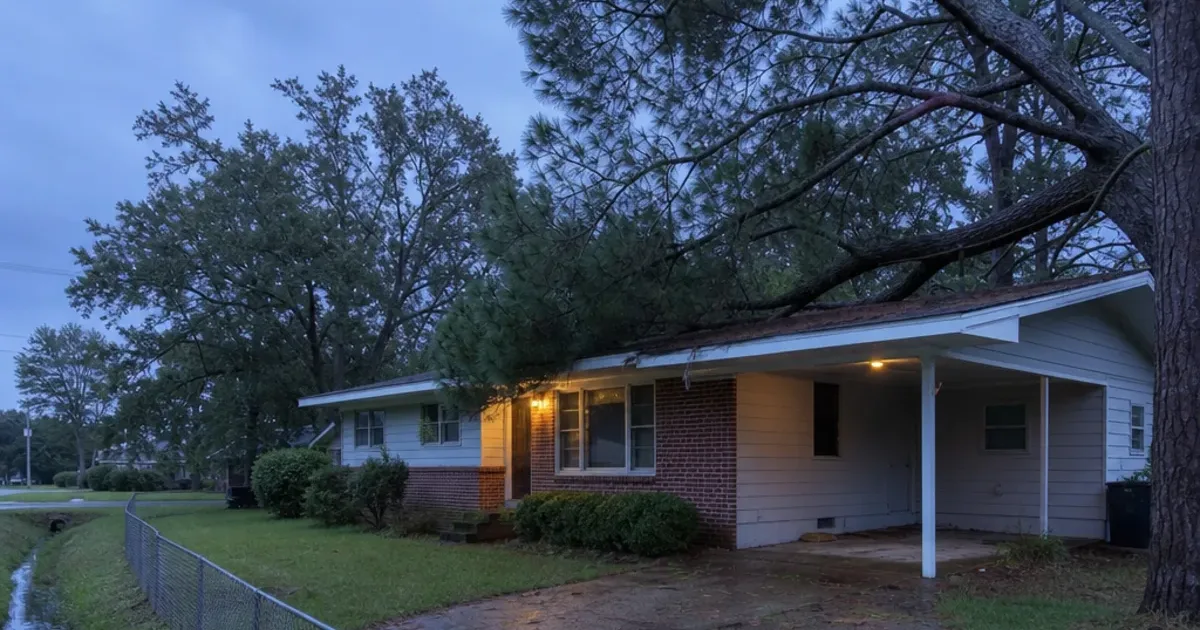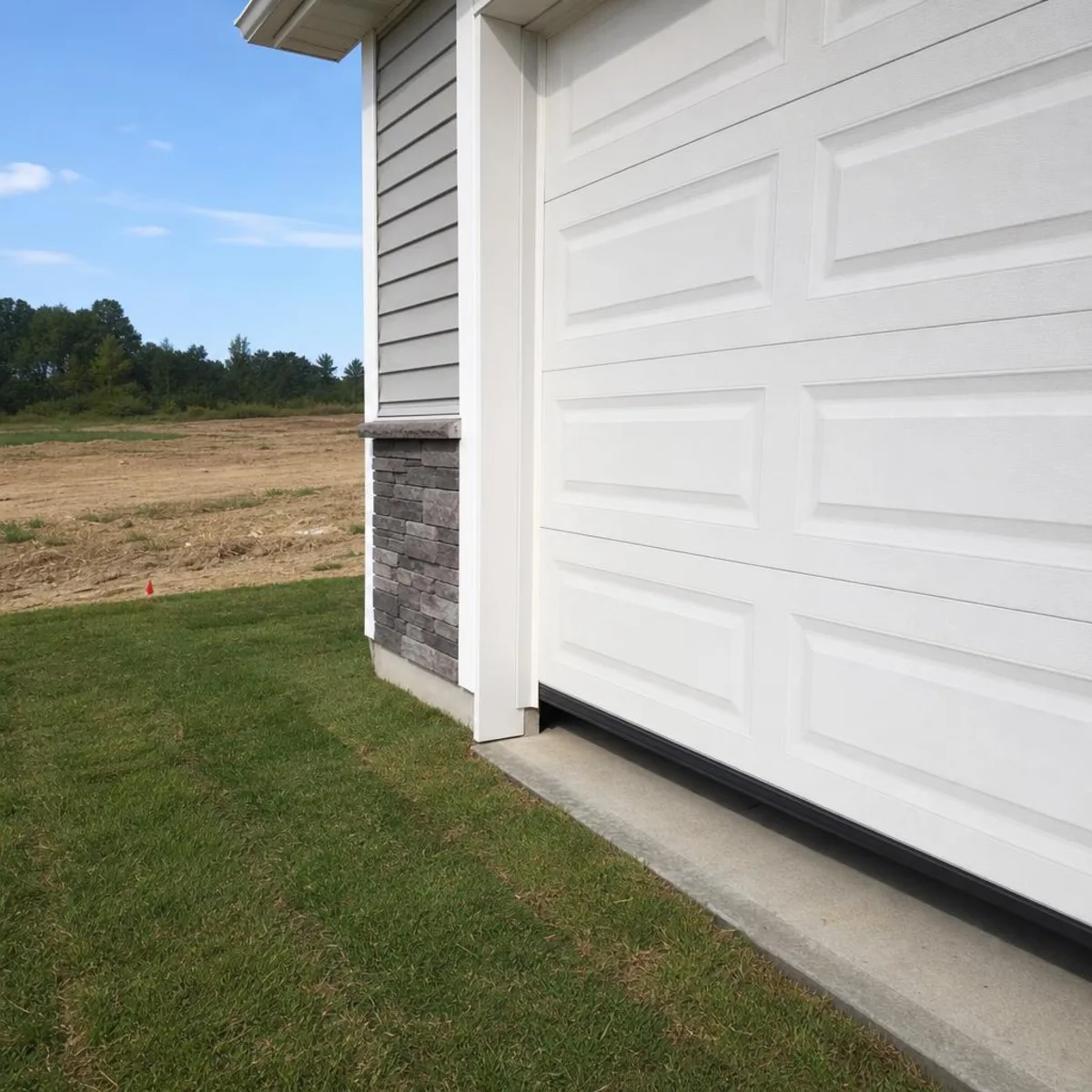
A brand-new house in Harbour View still has many ways for a mouse to walk in. Grading displaced the mice living there, and the build leaves gaps at the garage door, penetrations and weep holes. A new home is not sealed.
Why do new-construction homes get mice at all?
The land was somebody's habitat first. Clearing and grading a lot in North Suffolk destroys the field and marsh-edge burrows the local rodents were using, and those displaced animals move straight into the nearest shelter — the new houses going up around them. A fresh build looks tight, but it ships with the same standard gaps every other house has.
Explore rodent control in Suffolk
The Harbour View corridor was low ground and marsh edge before it was subdivisions, and much of North Suffolk still borders tidal creek and field. When earthmovers open that ground, the mice and rats living in it do not vanish; they scatter to whatever cover is closest, and a row of new homes with warm interiors and quiet cavities is exactly that. So the arrival is not a sign of anything wrong with the construction — it is the predictable result of building into occupied habitat. The question is never whether a new house has openings, but which ones the displaced population finds first.
Is a new house really sealed against rodents?
No, and that surprises most new owners. Construction leaves deliberate and accidental gaps: the garage door corners, the holes drilled for plumbing and electrical lines, the weep holes in brick veneer, and grading that has not settled. If an opening is dime-wide, a house mouse can flatten its body and slip through, and a new home ships with several openings that size or larger by design.
Get a free quote in North Suffolk
Builders seal for weather and code, not for rodents, and those are different standards. A penetration packed loosely around a pipe stops a draft but not a mouse. A garage door that meets the slab well enough to keep out rain still leaves triangular gaps at the bottom corners where the seal curves — a classic entry point on a house that is only weeks old.
Understanding that gap between "weatherproof" and "rodent-proof" is the whole point of early exclusion. You can see how we approach it across the city on our Suffolk pest control page, and the specifics of this fast-growing area on the North Suffolk page.
Which openings do we seal first on a Harbour View new build?
The predictable ones, in order of how often mice use them: garage-door bottom corners, the utility penetrations where plumbing and cable enter the wall, weep holes in brick veneer, and gaps left by grading that is still settling around the foundation. On a new house these are consistent enough that a technician can check them in a single walk-around.
Get a free quote in North Suffolk
Garage-door sweeps come first because the garage is the most common way a mouse gets from the yard into the structure, and a proper corner-sealing sweep closes the triangular gaps a standard threshold leaves. From there we move to the penetrations — every pipe, conduit and cable that passes through the wall was drilled oversize and often left loosely packed.
Weep holes are the tricky ones on brick-veneer homes, common across Harbour View. They have to stay open to drain the wall cavity, so you cannot simply plug them — they need vented covers that let water out and keep rodents from walking in. That balance between drainage and exclusion is standard pest exclusion work, and it is where do-it-yourself sealing usually goes wrong.
What does grading and settling have to do with it?
Fresh grading has not compacted, so the soil around a new foundation continues to settle for months, opening gaps at the base of the wall and around buried lines. Add the sandy coastal soil common in Suffolk, which shifts and drains fast, and you get new openings appearing after the closing walkthrough looked clean. Exclusion on a new build is worth checking again once the ground has moved.
Get a free quote in North Suffolk
This is why we recommend a follow-up look rather than a one-and-done seal on a brand-new home. A house with no foundation gaps in its first weeks can show a settlement gap by the time the landscaping is in, and rodents find those gaps quickly because they are already patrolling the disturbed perimeter.
The other settling-related route is the crawl space on homes that have one, where a shifting perimeter and construction debris can leave openings a rodent uses to reach the subfloor. A crawl space inspection catches those, and ongoing coverage through a home health plan keeps the perimeter monitored while the ground finishes settling. Our mouse control service handles anything that has already slipped inside.
| What the new owner notices | The gap the builder left | How exclusion closes it |
|---|---|---|
| Mice weeks after moving in | Grading displaced the marsh-edge population onto the new lot | Full exclusion walk-around plus interior mouse control |
| Droppings along the garage wall | Triangular gaps at the garage-door bottom corners let mice in | Corner-sealing garage door sweep |
| Gap around a kitchen or laundry pipe | Penetrations drilled oversize and packed loosely by the builder | Rodent-proof sealing of every utility penetration |
| Open holes low in the brick face | Weep holes left open for drainage on brick-veneer Harbour View homes | Vented weep-hole covers that drain but exclude |
| New gap at the base of the foundation | Sandy soil and fresh grading settling after the walkthrough | Re-check and seal once the ground has compacted |
| Activity in a new crawl space | Shifting perimeter and construction debris leave subfloor openings | Crawl space inspection and perimeter sealing |
What stings about a new build is that the systems a mouse ruins were installed weeks ago. The flex duct looped through the attic or crawl space is the softest, warmest nesting sleeve a mouse will find, and once it has chewed in, the fresh air handler is circulating whatever it left behind — the point at which owners bring in Universal Duct Cleaning to reset the run. The just-installed insulation is the other early casualty; a mouse tunnels through the new batts and flattens them, and Universal Insulation Doctor replaces the sections it has fouled so the house holds the efficiency you paid for.
Frequently asked questions
Why would a brand-new house have mice already?
Building the neighborhood displaced the rodents that lived on the land. Clearing and grading a North Suffolk lot destroys the field and marsh-edge burrows the local mice used, and those animals relocate to the nearest shelter, which is the new houses. Combined with the standard openings every build ships with, that displaced population finds its way in within the first season, well before the yard is even finished.
Explore rodent control in Suffolk
Doesn't the builder seal the house?
Builders seal to weather and energy standards, not to keep out rodents, and the two are different. A penetration packed to stop a draft can still admit a mouse, and a garage door rated to keep out rain leaves corner gaps a rodent walks through. The construction can be sound and the house still be open to a dime-sized intruder, which is why a dedicated exclusion check matters even on a new build.
Get a free quote in North Suffolk
Can I just plug the weep holes myself?
Not with caulk or foam. Weep holes have to stay functional so the brick-veneer wall cavity can drain, and sealing them solid traps moisture that leads to bigger problems. The correct fix is a vented cover sized to let water out while keeping rodents from entering. It is a small detail that is easy to get wrong, which is why weep-hole exclusion is worth having done properly.
Get a free quote in North Suffolk
How soon after moving in should exclusion be done?
Sooner is better, because the displaced population is most active right after the ground is disturbed. That said, because sandy soil and fresh grading keep settling for months, a new home benefits from an initial seal and a follow-up check once the perimeter has compacted. Catching the openings early keeps a small arrival from becoming an established colony inside the walls.
See how pest exclusion works in Suffolk
The mice your North Suffolk or Harbour View lot displaced are already testing the new house, and the openings they use — the garage-door corners, the loosely packed pipe penetrations, the open weep holes in the brick — are predictable enough to close before an arrival becomes a colony in the walls. A perimeter seal in rodent-proof materials, paired with a settling-season follow-up once the sandy grading has moved, is what makes a new build genuinely tight. Open a free quote for the property and the exterior gets walked from the garage corners to the weep holes, with a clear list of exactly what needs sealing on your new build.