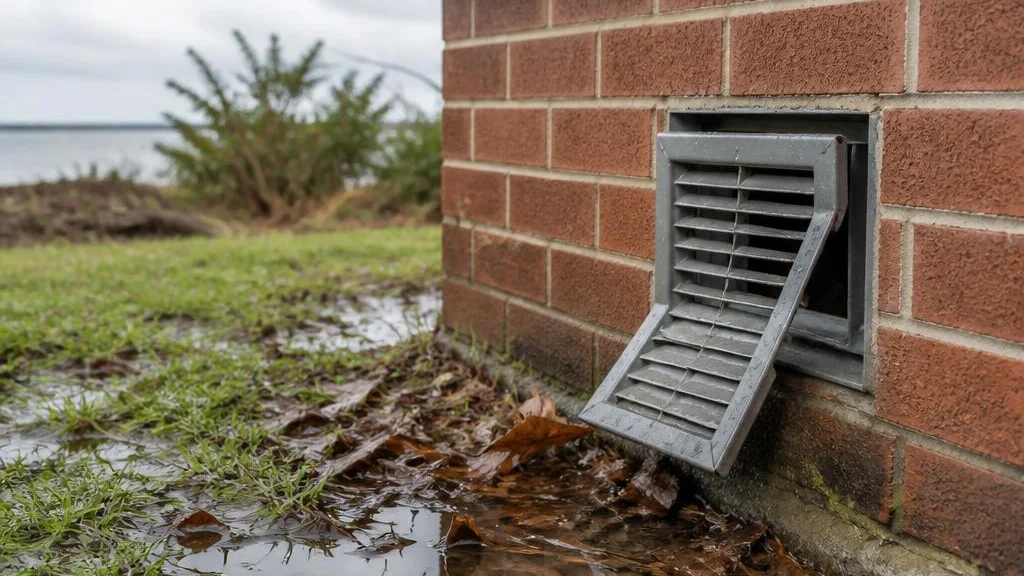
On the farm-edge parcels of western Suffolk, the rodent working your walls is usually a field mouse pushed out of a cut hayfield, not the roof rat that climbs into denser waterfront blocks closer to Virginia Beach and Chesapeake. Where houses back onto open ground along the Nansemond River and the fields around Driver and Chuckatuck, that pressure climbs every fall the week the crops come down. Seal the low gaps, trap the runways, and pull the outdoor feed and cover off the walls—then bring in pest control when the source is buried in a barn wall or an outbuilding you cannot reach.
Rural-Edge Mice Versus Waterfront Roof Rats
Suffolk carries more open farmland than any other city in Hampton Roads, and that geography sorts the rodent problem for you. Out past Driver and Chuckatuck, where lots border working fields and hedgerows on the coastal-plain sandy soil, the house mouse and the native field mouse run the show. They live in the field margins through the warm months and ride those hedgerows straight to the sill plate when the combine clears the ground. The newer rooflines of Harbour View sit tight against woods and tidal marsh near the Nansemond River instead, and that canopy hands roof rats the overhead bridges they prefer—branch to gutter to gable.
Roof rats
Agile climbers that follow limbs, fence lines, and utility runs onto a roof, then slip in at an eave or a gable vent. Wooded Harbour View lots close to the river give them the tree-to-roofline path they want.
Norway rats
Ground burrowers that dig against foundations and slabs, clustering wherever feed, trash, or compost sits near a wall. On the rural fringe they anchor to older farm buildings and grain storage.
House and field mice
Small enough to pass through a gap the width of a pencil. On the farm-edge parcels off Route 17 they are the rodent we deal with most in the fall, staging in the tall grass at the field edge before they hit the foundation.
Why the Land Around a Suffolk House Sets the Pattern
The reason mouse pressure here spikes on a calendar and rat pressure does not comes down to what surrounds the house. A Chuckatuck farmhouse ringed by cropland has a food-and-cover reservoir that empties all at once at harvest, so the mice living in it all go looking for warmth in the same cold week. The high water table under low ground near the Nansemond River keeps hedgerow margins and drainage ditches damp and green late into the season, feeding those colonies right up to the door.
Construction plays into it too. Many farm-edge homes off Route 17 sit on vented crawl spaces over pier or block piers, and the field-facing foundation wall is riddled with utility penetrations and a low door threshold that has settled over the years. Warm crawl-space air leaking out of those vents in the fall is exactly the cue a mouse follows in from a cold field. Around Driver, older outbuildings with dirt floors and gapped board siding hold feed and give Norway rats a dry burrow bank against the sills—a problem the main house never triggers on its own.
What You See, What It Means, What Fixes It
| What you see | What it means | What fixes it |
|---|---|---|
| Small dark pellets in the mudroom of a Driver farmhouse every October | Field mice moving in off harvested ground on the field side | Seal sill and threshold gaps to a quarter inch, then trap the field-facing wall |
| Scratching in a Harbour View attic under an overhanging limb | Roof rats using a branch as a bridge to the eave | Cut the limb back, trap the attic, close the soffit and gable vent |
| Burrows dug against a barn foundation off Route 17 | Norway rats anchored to feed stored nearby | Move feed into metal bins, collapse the burrows, set exterior stations |
| Chewed feed and seed sacks in a Chuckatuck outbuilding | A steady food source is holding the whole population | Bin the feed, then trap and seal the building before the house |
Reading the Signs by Where You Live
Catching activity early keeps a handful of mice from becoming a wall full, and what you check shifts with the parcel. Rat droppings run roughly three-quarters of an inch; mouse pellets are small and dark, and on a Chuckatuck farmhouse they first turn up in the pantry and the mudroom nearest the field side. Fresh gnawing on wiring, framing, and stored sacks points you at the feed room first in any Route 17 outbuilding, because that is the anchor that carries a population through winter. Scratching after dark and a sharp urine smell both mean steady traffic—in a Harbour View attic that traffic usually traces to a soffit gap under a limb.
Working the Problem in Order
Once you have confirmed rodents, run the steps in sequence. Seal first: close foundation cracks, gaps around pipes, and the low utility openings, giving the field-facing wall and the thresholds nearest the hedgerow priority. Then cut the food and cover—store feed and pantry goods in sealed containers, fix plumbing leaks, and mow a buffer so the tall margin grass at the field edge near the Nansemond River is no longer cover right up to the wall. Finally, set snap traps tight against known runways and near entry points, larger snaps for rats, and wear gloves so your scent does not turn them off the trigger.
For a heavy or repeating infestation, a Suffolk crew that knows the rural fringe reads a Driver or Chuckatuck property differently than a tract lot—they open the outbuildings, walk the hedgerows, and check feed storage first, because that is where a farm-edge population lives between raids on the house. That is also where DIY runs out: when the source is a barn wall or a feed room the homeowner cannot easily reach, closing it is what stops the fall push from repeating.
FAQ for Farm-Edge Suffolk Homes
Why do the mice show up every fall out near Chuckatuck?
When the surrounding fields are cut and the cold sets in, field and house mice leave the hedgerows and head for the nearest warm foundation. Homes bordering working farmland see the sharpest spike, so seal the low gaps before harvest, not after.
Is my Harbour View home more likely to get roof rats than mice?
Close to the woods and tidal marsh near the Nansemond River, with mature limbs over many rooflines, Harbour View favors climbing roof rats over ground mice. Keep branches cut back off the roof and close the soffit and gable vents to break the overhead path in.
Do I need to worry about my outbuildings, not just the house?
Yes. Along Route 17, feed, seed, and equipment stored in a barn or shed is usually what carries a rodent population through winter. Sealing feed in metal bins and closing the building often does more than any trap set inside the house.
Why do Norway rats dig at my barn but not the house?
Norway rats burrow where feed sits against a wall, so an outbuilding with grain on a dirt floor gives them both food and a dry bank on the coastal-plain sand. The house offers neither until the feed source runs long enough to overflow.