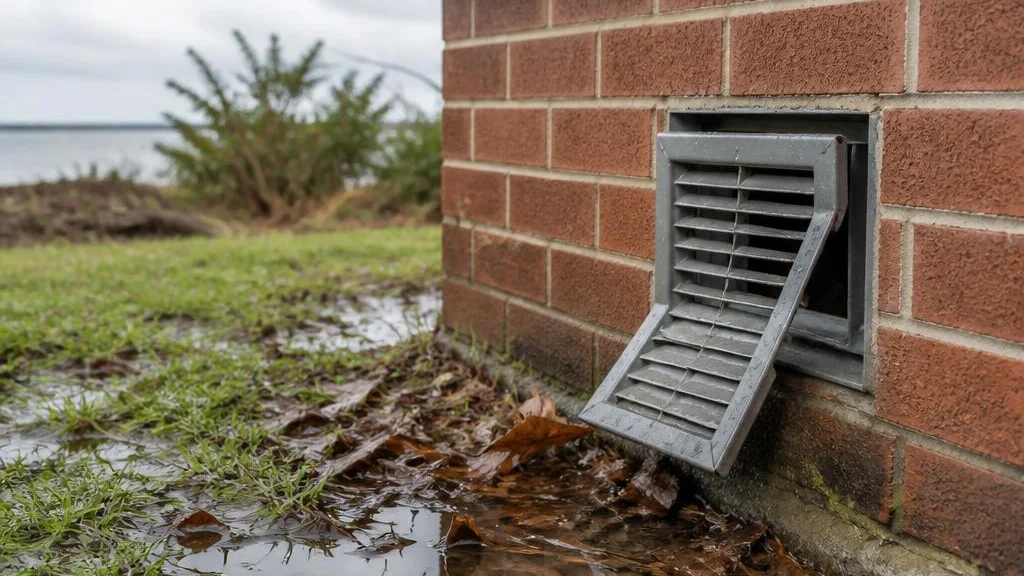
If you are hearing scratching over the ceiling in a Chesapeake home, rodents are getting onto the roof from the heavy canopy and peaty, damp ground that ring the southern half of the city, then in through a soffit or vent gap. Act while it is a few animals: cut the overhead branch access, seal the roofline openings, and clear any contaminated insulation before droppings and torn insulation foul the attic air. When the noise keeps returning, a Chesapeake rodent control and removal service can find the entry you cannot see.
Why the Southern Chesapeake Landscape Feeds Attic Rodents
Rodents want warmth, quiet, and nesting material, and the land around Great Bridge and Deep Creek hands them a running start. These neighborhoods sit against the edge of the Great Dismal Swamp on peaty, water-holding soil that stays soft and damp, so roof rats and mice have a permanent reservoir of cover and moisture within a short run of the house. The tree line does the rest: mature limbs reaching over rooflines off Battlefield Boulevard give a climbing rat a bridge from branch to gutter to gable, well past any ground-level barrier.
The regional climate keeps that pressure on all year. Mild winters near Route 168 never fully shut colonies down, and the humid summers that hang over swamp-edge ground support steady breeding. Add the drainage-ditch network that laces low neighborhoods like Deep Creek, and you have travel corridors leading colonies straight to the foundations and rooflines they climb.
Video: 20 Different Types Of Rodents In The World
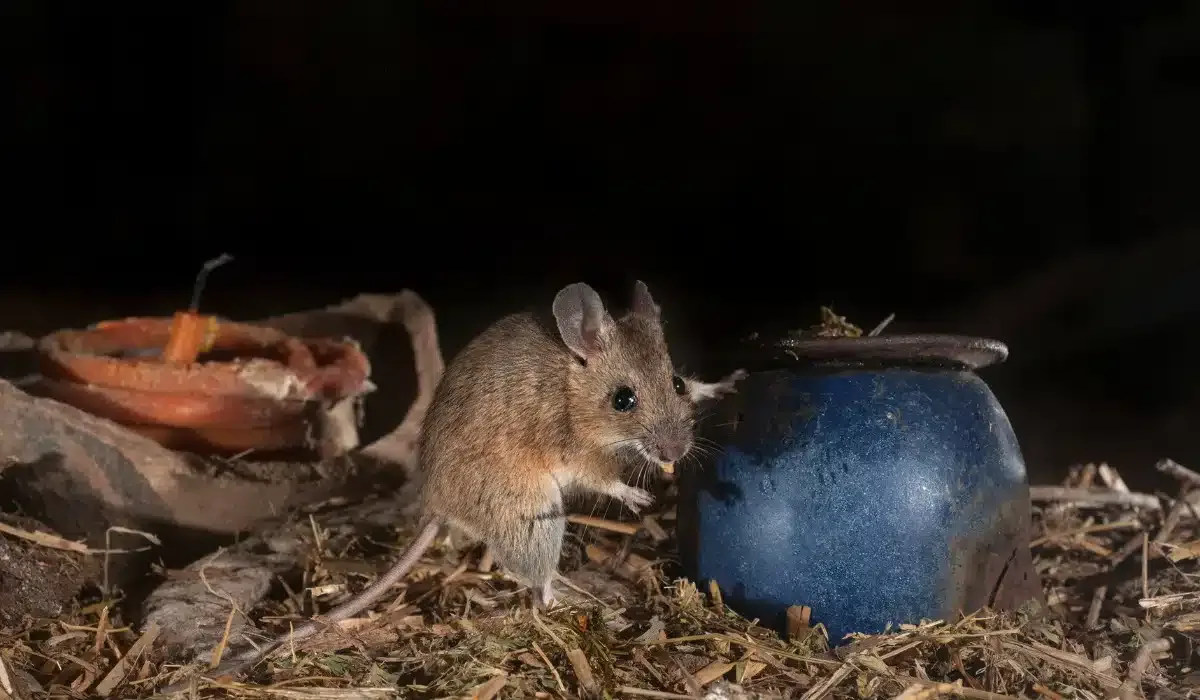
This video covers common rodent species found around homes. It shows how roof rats, Norway rats, and house mice behave when they move indoors. Seeing these rodents in action helps homeowners spot the early warning signs and make faster, more informed pest control decisions before an infestation worsens.
What It Means When You Find Rodents in the Attic
One animal overhead rarely means one animal. Rodents breed fast, so a single sighting usually points to a growing group already moving between the attic, the wall voids, and the crawl space below. On the swamp-edge lots around Greenbrier, where crawl spaces over that damp peaty soil stay humid, rodents shuttle up and down the wall cavities looking for food and drier nesting, chewing insulation and drywall as they go.
Most homeowners first notice droppings, shredded nesting material, or a strong urine odor before they ever see an animal. By then the traffic is established. Beyond the mess, rodents chew wiring—a fire risk—and contaminate surfaces, which is why an attic problem this far along is a job for a structured removal rather than a single trap.
How to Get Rodents Out of a Chesapeake Attic
Removal works when it follows an order. Trapping alone rarely clears an established group, especially when the canopy off Battlefield Boulevard keeps resupplying the roof.
Start with Inspection, Not Traps
Stay out of active attic areas to limit exposure to droppings and airborne contaminants. A proper job opens with an inspection that identifies the species, the activity level, and the entry points—often a soffit return or a ridge-vent gap under a swamp-edge limb. David Shafer, Lead Inspector at Universal Pest & Termite, has spent more than fifteen years inspecting and servicing homes across Hampton Roads, and that experience is what reads a Great Bridge roofline for the branch that is actually feeding the attic.
Clean the Contaminated Insulation
Once the animals are out, the fouled insulation has to go. Rodent urine and droppings soak into batts and blown-in fill, and on the humid, swamp-adjacent air of Deep Creek that contamination does not simply dry out and disappear—it keeps releasing odor and particulate into the living space below. Removing and replacing that material is a separate trade from trapping, handled on the duct-and-insulation side of the company.

When DIY Stops Working
DIY can knock down a light problem, but most Chesapeake infestations continue because the traps miss the runway and the roofline entry stays open. A full service pairs removal with exclusion and follow-up visits. Where a raccoon or opossum has torn an opening—common on the older roofs backing the Great Dismal Swamp—wildlife removal has to close that breach too, or rodents keep reusing it.
What Draws Them to the Attic in the First Place
Rodents do not pick an attic at random. Food around the property brings them in first—open trash, pet food left out, bird feeders near the wall. Once they are close, the attic becomes the safe, dry nest above ground that stays out of reach of the wet peaty soil at grade near the swamp edge.
From there the openings grow. Along the wooded stretches off Route 168, raccoons and opossums damage roofs and leave gaps that rodents widen by chewing, turning a minor defect into a recurring entry point that outlasts one season.
Keeping Them From Coming Back
Seal the Roofline and the Crawl Space
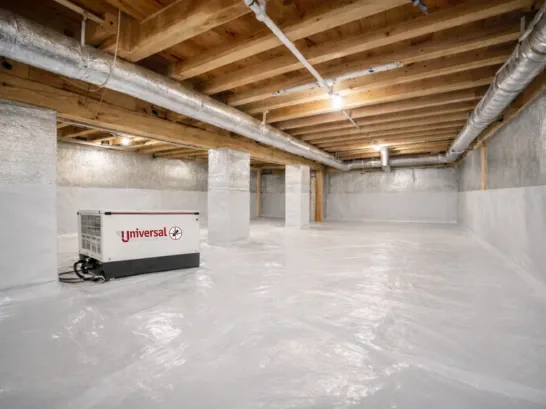
Long-term control is mostly exclusion. Seal vents, repair roof edges, and replace damaged insulation up top; add crawl-space barriers below, since the humid ground under Greenbrier homes is a favored entry from underneath. Keep stored material off the attic floor so it stops reading as nesting stock.
Cut the Canopy Bridges
Outside, trimming limbs back off the roof is the single most useful step near Battlefield Boulevard, because it removes the overhead path that swamp-edge canopy provides. Reduce standing moisture where you can—drier ground discourages rodents and the termites and roaches that trail the same damp conditions.
When to Call a Professional
Bring in a pest control company when scratching keeps returning, droppings reappear after cleanup, or you see fresh roof damage. Larger groups need real exclusion work and, on the swamp-edge lots, wildlife control for the animals that opened the roof in the first place. A local crew also catches the related pests—termites and roaches drawn to the same peaty moisture—before they become a second job.
Making the Right Call for Your Chesapeake Home
Attic rodents feel overwhelming when the noise keeps coming back and the source is unclear. On the southern edge of the city, that source is usually a canopy limb feeding the roof and a soffit gap no one has spotted from the ground.
At Universal Pest & Termite, we work with Great Bridge, Deep Creek, and Greenbrier homeowners through a clear process—inspect, remove, exclude, and clean up the contaminated insulation left behind.
Contact us to schedule an inspection and address attic rodent activity before it worsens.
FAQs
Why do rodents keep getting into my attic near the Great Dismal Swamp?
The swamp edge keeps a permanent reservoir of rodents on damp, peaty ground within a short run of your house, and the mature canopy off Battlefield Boulevard gives them a branch-to-gable bridge onto the roof. Until the overhead limbs and the roofline gaps are closed, the pressure keeps returning.
Explore rodent control in Chesapeake
Is attic activity in a Great Bridge home a sign of a bigger problem?
Usually yes. Rodents move between the attic, the wall voids, and the humid crawl space over Chesapeake's peaty soil, so overhead noise often signals a group already established on multiple levels, especially when droppings or odor are present.
What is the fastest way to clear rodents from a Deep Creek attic?
A structured service is fastest: identify the species, remove the animals, seal the swamp-edge entry points, then strip and replace any contaminated insulation. That sequence beats scattered trapping and keeps the humid, canopy-fed conditions from restarting the problem.