Small changes in your walls often look harmless at first. Bubbling paint or small holes in drywall are easy to ignore. In Newport News, these are often early signs of termite damage.
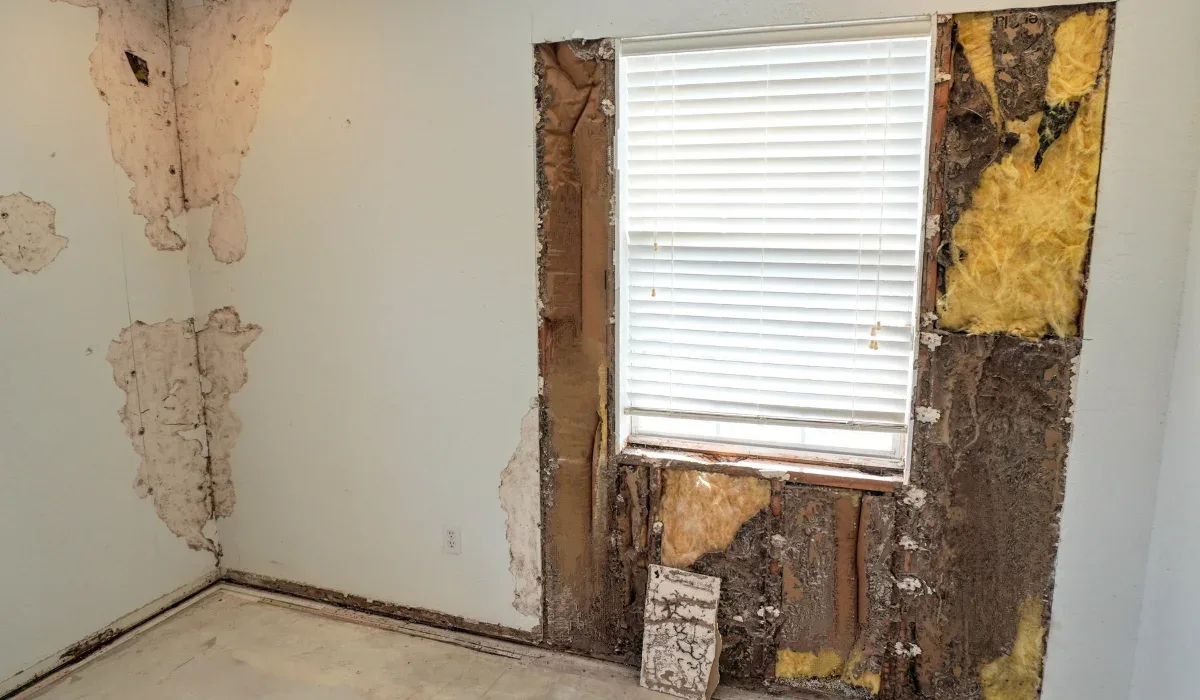
Many homeowners think termites only attack exposed wood. Termites tunnel behind drywall and sheetrock. They feed on cellulose found in wood structures and in the paper layer of drywall. Over time, termites damage drywall and weaken wooden structures inside your walls.
Because the area has warm, humid weather, termite activity can remain active for much of the year. Spotting warning signs early helps prevent a termite infestation from causing structural damage and costly repairs. If you suspect a problem, professional termite control in Newport News, VA, can help identify hidden damage and address active infestations.
Key Takeaways
- Bubbling paint, peeling paint, small holes, mud tubes, frass, and a hollow sound are common signs of termite damage.
- In Newport News, subterranean termites are commonly responsible for termite infestations.
- Termites often enter through the home’s foundation and spread into exterior walls.
- Early termite inspection and termite treatment help protect your home’s structural integrity.
Drywall Warning Signs That October Point to Termites
Not every crack in drywall indicates a termite problem. But you should not ignore signs of termite activity.
Bubbling Paint or Peeling Paint
Bubbling paint or peeling paint can look like water damage. While moisture can cause it, it can also be a sign of termite damage.
When termites tunnel behind drywall, their termite activity can trap moisture and cause paint to lift or blister. If you see bubbling paint on exterior walls or near baseboards, it may be time for a termite inspection.
Small Holes, Pinholes, and Frass
Small holes or pinholes in drywall are common signs of termite infestation. These tiny openings may appear near windowsills, in corners, or along baseboards.
You might also see frass, which is termite droppings. Frass looks like small grains or pellets. Finding frass near small holes is one of the clear signs of termite activity.
Hollow Sound When You Tap the Wall
Tap gently on the wall. If you hear a hollow sound, termites may be inside the wall.
As termites tunnel through wood structures, they leave a thin outer surface in place. The wall may look normal, but the inside may already have structural damage. This hidden termite damage can affect your home’s structural integrity.
Mud Tubes Along Baseboards or Foundations
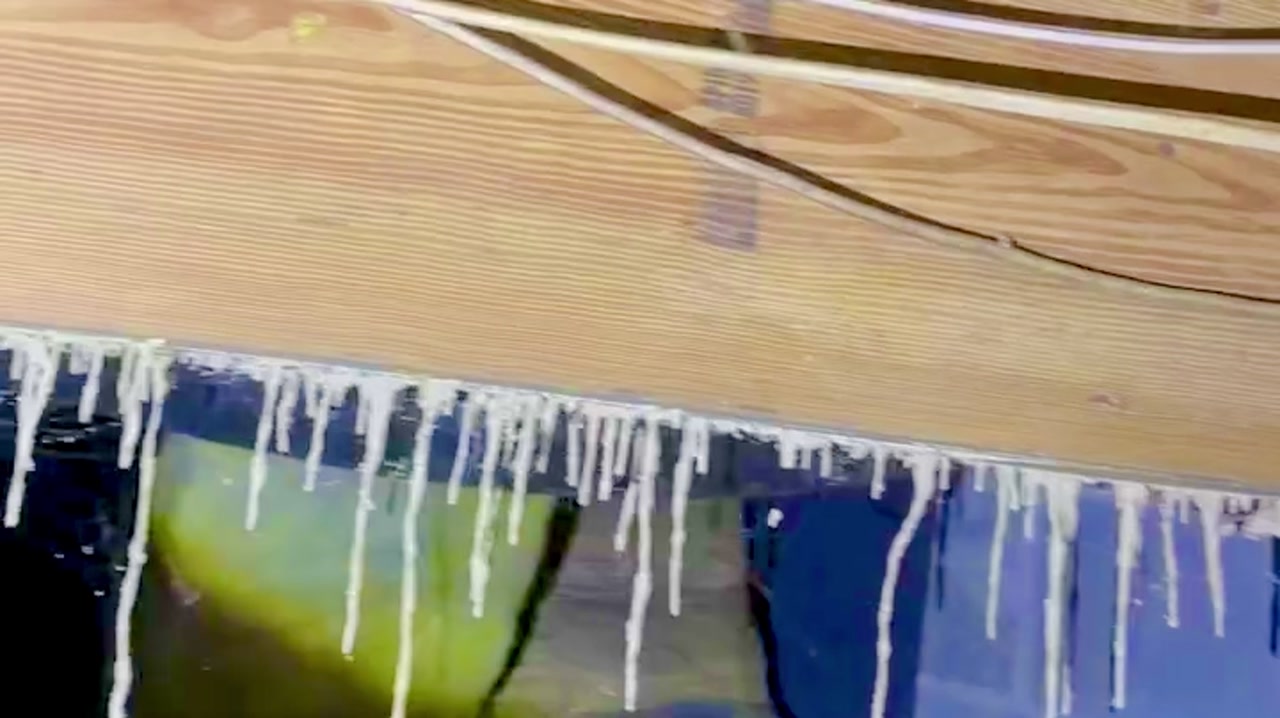
Mud tubes are one of the most well-known signs of termites. Subterranean termites build mud tubes to travel from the soil to their food source.
In Newport News, mud tubes are often found near the home’s foundation or along baseboards. Seeing mud tubes often indicates termite activity and can mean an active infestation.
Swarmers Near Windows and Lights
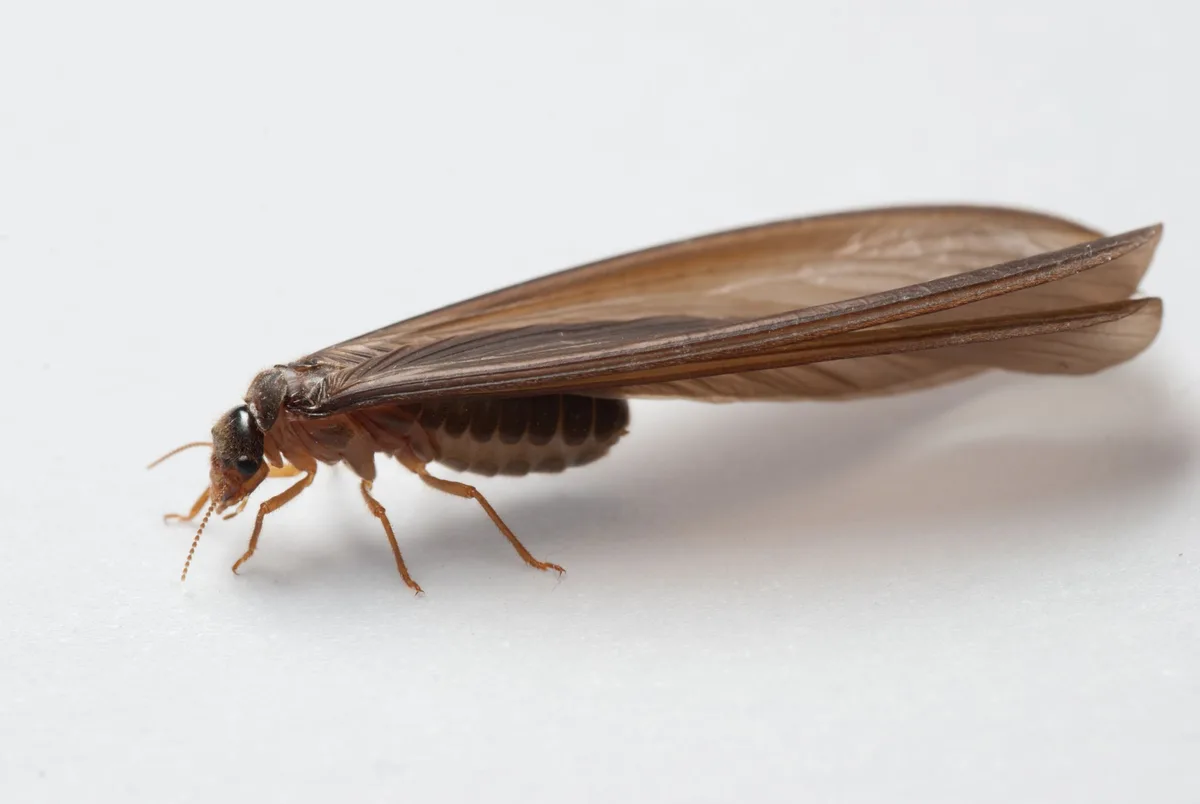
Swarmers are winged termites. They leave a termite colony to start new colonies.
If you see swarmers near windowsills or light fixtures, it can be a strong warning sign of a termite infestation.
Where Termite Damage Often Starts
Termite damage often begins in specific areas of the home.
Exterior Walls and the Home’s Foundation
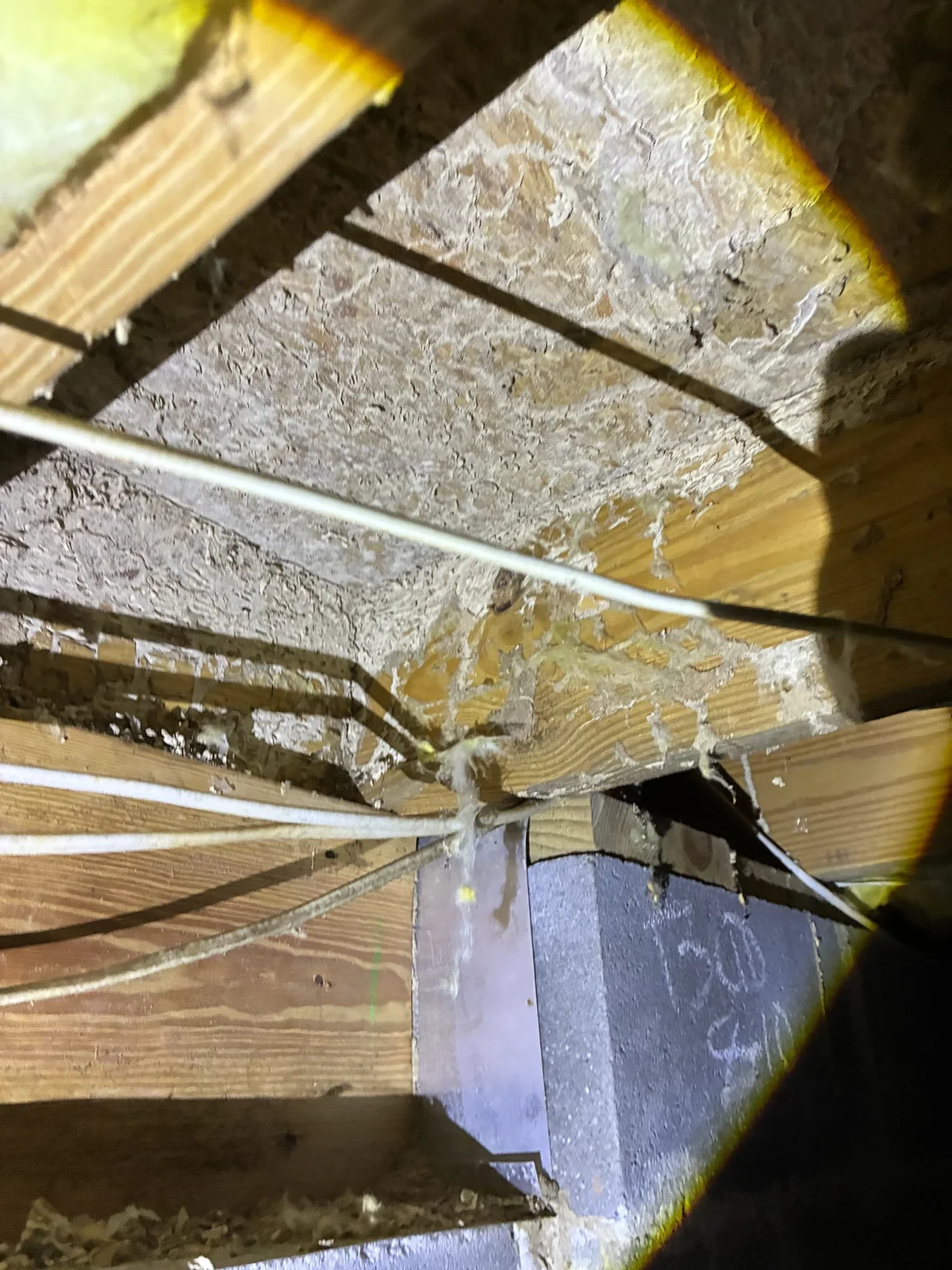
Subterranean termites live in the soil. They enter through cracks in the home’s foundation and move into exterior walls.
Look for mud tubes, bubbling paint, or small holes near the bottom of the wall. These are common signs of termite damage.
Crawl Spaces and Lower Levels
Crawl spaces often hold moisture, which attracts termites. From there, termites tunnel upward into drywall and sheetrock.
Regular inspections of crawl spaces help catch early signs before significant damage spreads.
Around Windowsills and Door Frames
Windowsills and door frames contain wood that termites use as a food source. They feed on the cellulose in these wooden structures.
Soft spots, peeling paint, or termite droppings near windowsills can point to a termite problem.
Garages and Storage Areas
Garages and storage rooms may have small entry points that termites use. These spaces are often less checked than living areas.
Watch for small holes, mud tubes, or other signs of termite damage in drywall in these areas.
What to Do If You Notice Signs of Termite Damage
Acting early can stop a small problem from turning into a large termite infestation.
Schedule a Termite Inspection
A professional termite inspection is the best way to confirm termite activity. During a termite inspection, technicians check drywall, sheetrock, wood structures, and the home’s foundation for signs of termite damage.
Regular inspections are especially helpful in Newport News, where subterranean termites are common.
Avoid DIY Treatments
DIY products may not reach the full termite colony. They may kill a few termites, but not solve the termite problem.
Effective termite treatment often involves professional termite control designed to target the termite colony. Proper termite treatment reduces the risk of new colonies forming.
Reduce Moisture and Seal Entry Points
Fix leaks and improve drainage around your home’s foundation. Seal cracks and other entry points to make it harder for termites to get inside.
These steps support long-term pest control, but pair them with regular inspections.
Schedule a Termite Inspection in Newport News
If you notice signs of termite damage in your drywall, do not wait. What looks small on the surface can lead to structural damage and costly repairs over time.
At Universal Pest & Termite, we have served Newport News and the Hampton Roads area for over 24 years. We provide termite inspection, termite treatment, and termite control to protect homes and businesses.
Contact us today to schedule a professional inspection and stop further termite damage in your Newport News home.
FAQs
Weighing next steps? Start with our guide to pest and termite control in Newport News.