The Kempsville section of Virginia Beach is a fantastic place to live. With its deep local history, established neighborhoods like Fairfield and Kempsville Greens, and beautiful, mature landscaping, it represents classic Virginia Beach living.
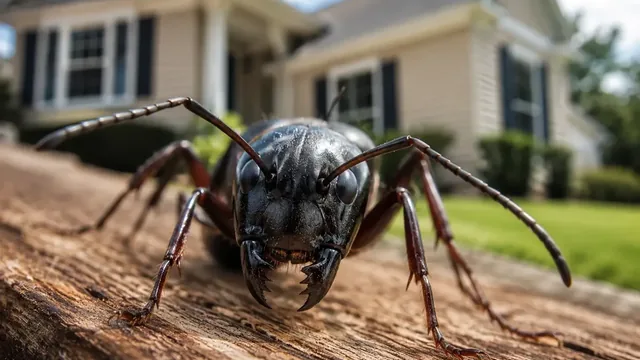
But those same features—rich, damp soil, sprawling root systems, and older foliage—make Kempsville a prime target for a highly disruptive pest: erratic, fast-moving ants. Often referred to locally as “crazy ants” due to their frantic, non-linear movement, these tiny invaders (frequently Argentine ants or Odorous House Ants) can take over a home in a matter of days.
When these colonies move indoors, standard DIY treatments simply will not cut it. Here is a look at why Kempsville homes are uniquely vulnerable and how you can protect your property.
Why Kempsville is an Ant Magnet
Unlike areas with newer construction, Kempsville features classic 1960s, 70s, and 80s homes built around mature landscape lines. This creates distinct structural and environmental vulnerabilities that ants love to exploit:
- Slab Foundations & Expansion Joints: Many traditional Kempsville properties are built on concrete slabs. Over time, slight settling creates microscopic cracks and expansion joint gaps. Ants use these hidden subterranean pathways to surge upward right into dining rooms, utilities, and kitchens.
- Mature Mulch Beds: The lush, deep mulch beds and extensive foundation plantings common in our local neighborhoods provide an optimal nesting environment. When summer heat spikes or heavy rains saturate the soil, these massive colonies migrate en masse under doorways and through brick weep holes.
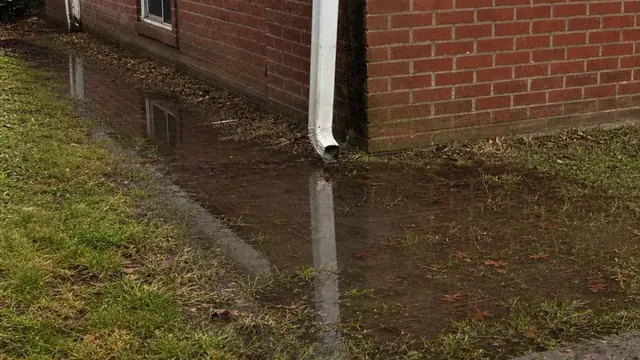
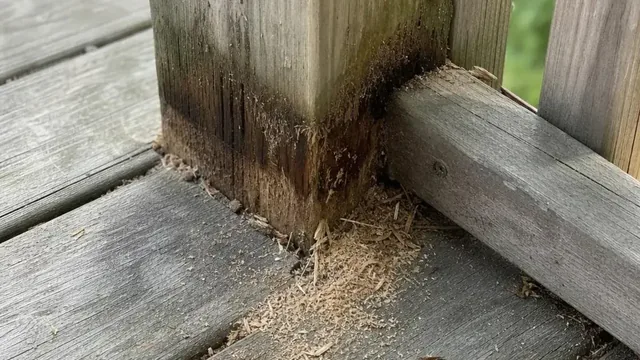
- Crawl Space Humidity: Traditional crawl spaces and aging insulation in the area tend to trap humidity. Ants are drawn to this moisture, using it to sustain massive satellite colonies inside your wall voids.
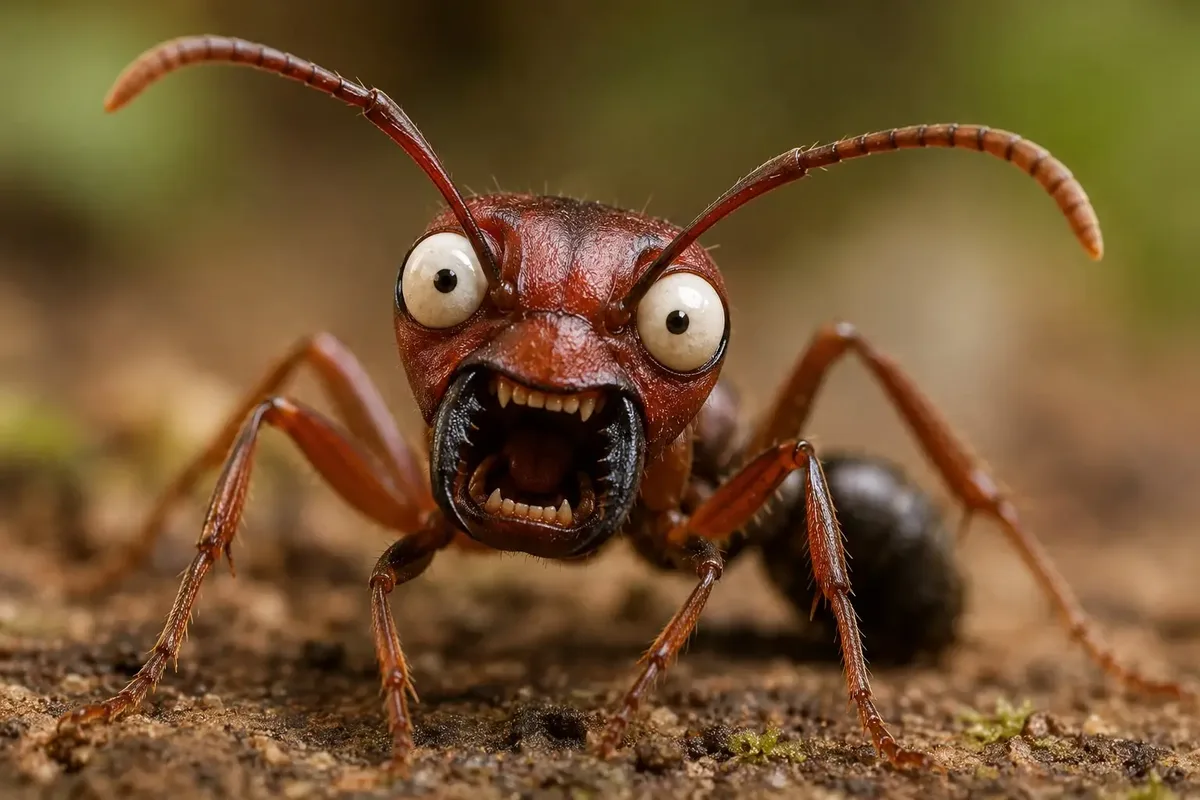
The Red Flag Behavior: True to their nickname, these ants don’t October in a neat, predictable single-file line. They move erratically and rapidly, scattered across counters, windowsills, and baseboards. If you crush one and notice a foul, rotten-coconut odor, you are dealing with Odorous House Ants—one of the most persistent “sugar ant” species in the 757 area code.
The Big Mistake: Why Store-Bought Sprays Make It Worse
When homeowners see ants tracking along a kitchen baseboard, the natural instinct is to grab a can of quick-kill chemical spray from the local home improvement store. This is often the biggest mistake you can make.
Most retail spray products act as “repellents.” They kill the few visible foraging workers on contact, but they alarm the rest of the colony hidden deep inside your walls. In response to the perceived threat, the colony undergoes a survival process called “budding.”
When a colony buds, the multiple queens split up, take a portion of the workers, and scatter to form several new satellite colonies throughout your home. What started as an annoyance in the kitchen can quickly turn into an infestation in the bathrooms, bedrooms, and hallway closets.
The Professional Ant Defense Plan
To truly eliminate an erratic ant infestation, you have to look beyond the baseboards. True protection requires a comprehensive approach that targets the root of the problem and addresses the home’s infrastructure:
- Non-Repellent Baiting: Apply professional-grade gel baits where ants are active. Workers cannot detect the active ingredient, so they safely carry the bait back down to the hidden nests, eliminating the queen and stopping reproduction entirely.
- Exterior Boundary Shield: Establish a durable liquid boundary treatment around the foundation. Foraging workers pass through this invisible, non-repellent barrier, tracking the treatment back into the soil to collapse the main colony before they ever step foot inside.
- Landscape & Moisture Audits: Trim bushes back at least 12 inches from the structure and check crawl spaces, insulation, or ductwork for moisture leaks. This eliminates the physical “bridges” ants use to bypass ground treatments and removes the humidity drawing them into the home.
Here are 3 frequently asked questions with clear, local pricing options for your blog post. You can copy and paste this section right underneath the main body text:
Frequently Asked Questions & Pricing
1. How much does professional ant control cost in Virginia Beach?
Pricing generally depends on the size of your home and whether you choose a targeted one-time treatment or an ongoing preventative protection plan:
- Quarterly Maintenance Plans: Typically start between $38 and $63 per month. These plans build a continuous exterior barrier around your foundation and cover unlimited service call-backs if ants ever try to break through the perimeter.
- One-Time Corrective Treatments: For homeowners facing a major breakout who do not want a recurring plan, a standalone specialized ant treatment ranges from $150 to $350 depending on the severity of the infestation and the size of the house. Market ranges reflect what we typically see other Hampton Roads companies charge, based on quotes homeowners bring us. They are our own observations, not a published survey.
2. Why are the ants in my Kempsville home returning after I spray?
Most retail sprays are “repellents.” They kill the visible trailing ants instantly, but they cause the rest of the colony hidden in your walls to panic. This triggers a survival mechanism called “budding,” where the queens split up and form multiple new nests throughout your home. Professional treatments use non-repellent baits and liquid matrices that ants cannot detect. They pass through it safely and track it back into the soil, collapsing the entire colony at the source.
3. How fast can you get rid of a “Crazy Ant” infestation?
Because erratic ant species like Argentine and Odorous House Ants build massive underground networks, total eradication does not happen overnight.
- First 24 to 48 Hours: You will notice a dramatic drop in ant activity as they stop foraging on your counters and feed on the professional bait instead.
- 7 to 14 Days: The active ingredients fully transfer through the worker ants to collapse the primary colony and secondary satellite queens hidden behind the drywall and slab foundations.
Protect Your Kempsville Home
If you are fighting a losing battle against trailing ants in your kitchen or notice them tracking up through your baseboards, it is time to skip the frustrating DIY cycle. Treating structural entry points, removing moisture draws, and applying targeted, professional treatments is the only way to keep your home protected year-round.