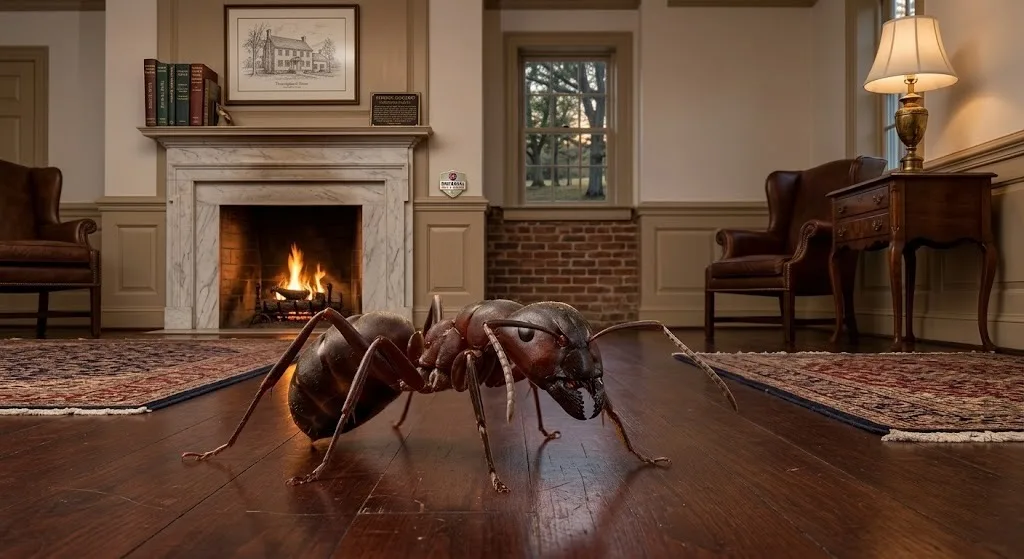
Thoroughgood is widely considered one of the true gems of Virginia Beach. With its sprawling yards, majestic mature trees, and beautiful 1950s and 60s brick-and-frame ranch homes, it is a neighborhood defined by its timeless architectural character.
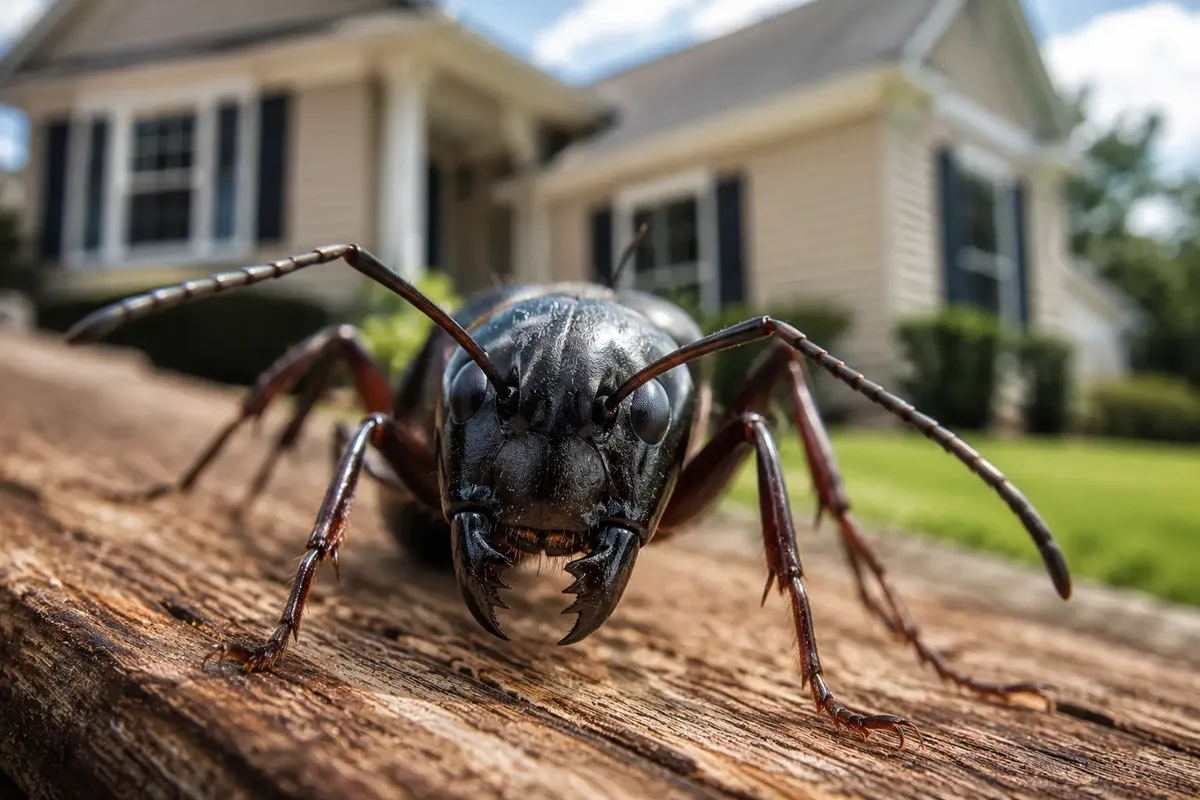
But that very character—specifically the age of the structural lumber and the dense canopy of local oaks and pines near columns like Church Point and Thoroughgood Colony—creates a major environmental vulnerability. It makes the area a prime target for one of the most destructive pests in the 757: the Carpenter Ant.
The Threat: How Much Damage Can Carpenter Ants Really Cause?
A common misconception among local homeowners is that carpenter ants eat wood the same way termites do. They don’t. While termites consume wood for its cellulose value, carpenter ants chew through timber strictly to excavate smooth galleries and tunnels for their nesting colonies.
Because they don’t eat the wood, the destruction happens more slowly than a termite infestation, but it is just as structurally devastating over time.
- Hollowing Out Support Systems: As a colony grows, thousands of worker ants chew along the grain of the wood, target-hitting the most critical structural components of your home. They hollow out crawl space sill plates, floor joists, wall studs, and roof rafter lines.
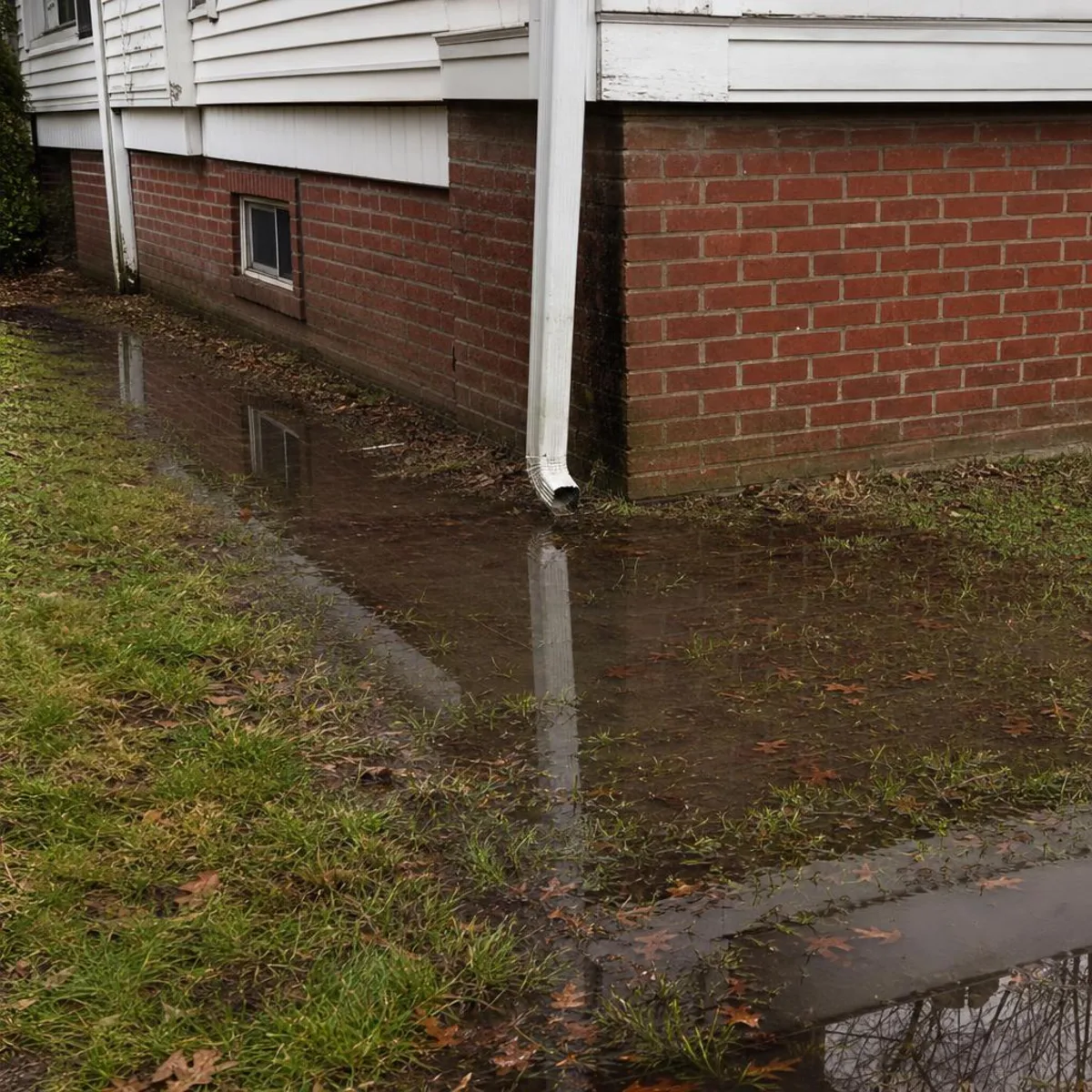
- Compounding Moisture Damage: Carpenter ants have a strong preference for wood that is already soft or partially decayed by humidity. In Thoroughgood, where low-clearance crawl spaces trap high coastal moisture, these ants find structural wood that is easy to carve out. Once they hollow out a joist, it accelerates wood rot and leads to sagging floors upstairs.
- Bypassing the Exterior View: Because their tunneling happens entirely behind drywall, underneath insulation blankets, or inside structural beams, a colony can cause thousands of dollars in structural damage before you ever see a single ant walking across your kitchen counter.
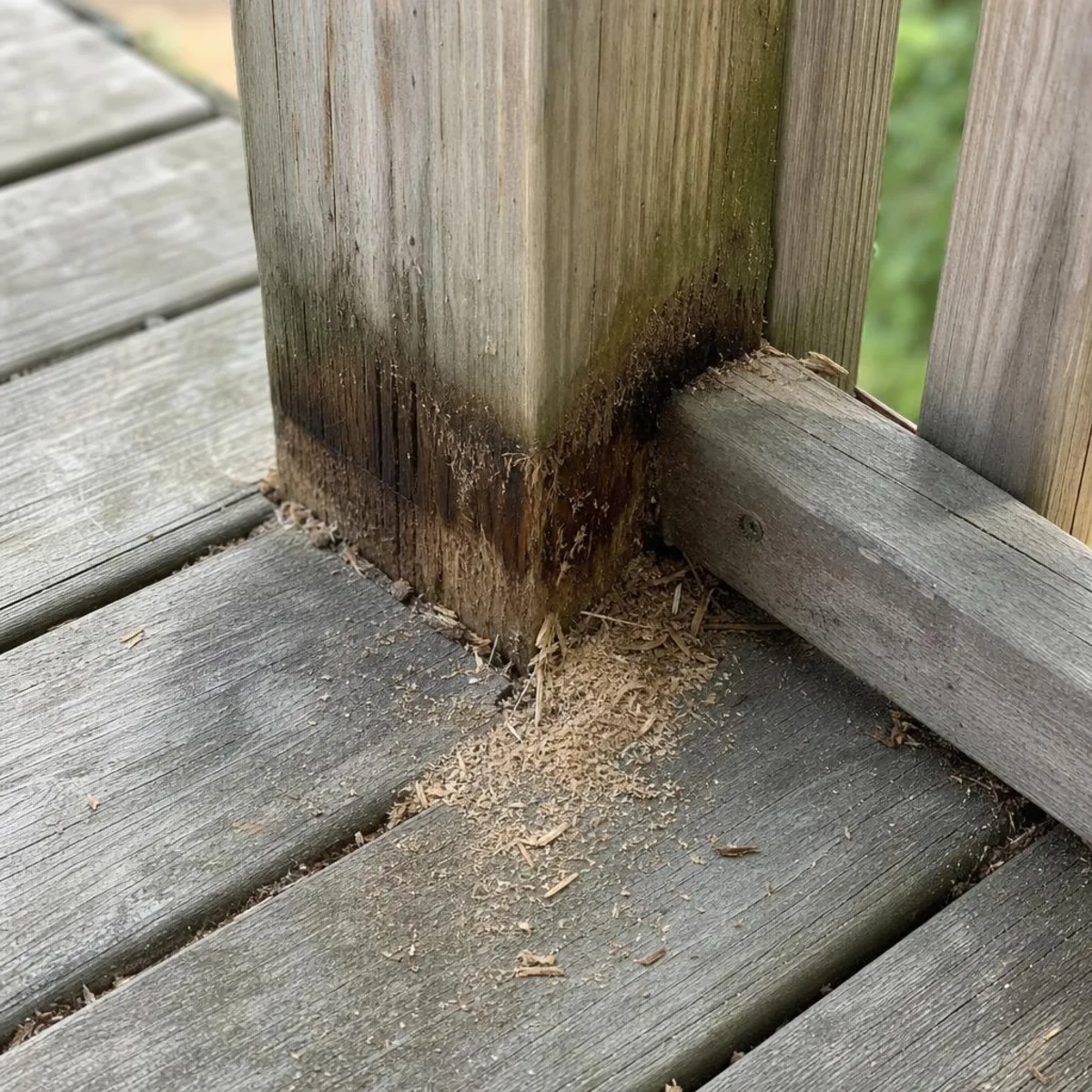
The Red Flag Warning: If you notice a small pile of material that looks like pencil shavings or fine sawdust beneath a baseboard, a window frame, or a crawl space door, you are looking at frass. This is the debris carpenter ants kick out of their nesting tunnels as they hollow out your framing.
Why Carpenter Ants Are Incredibly Difficult to Get Rid Of
Many homeowners waste hundreds of dollars trying to eliminate carpenter ants using standard DIY retail sprays or hardware store baits. These attempts almost always fail because carpenter ants are uniquely resilient and complex:
1. The Parent and Satellite Colony Dynamic
Carpenter ants do not just build one single nest. They operate out of a sophisticated network. The parent colony, which houses the queen and requires intense moisture, is almost always located outside the home—hidden deep inside the decaying root system of an old oak tree, a hollow pine trunk, or a damp woodpile in your yard.
Once the parent colony matures, they send out workers to establish multiple satellite colonies inside nearby structures. When you spray an over-the-counter pesticide on your baseboards, you might kill a few hundred foraging workers from a satellite colony, but you have done absolutely nothing to touch the primary queen producing thousands more in the yard.
2. They Are Highly Resourceful Foragers
Carpenter ants are exceptional climbers. If you have mature tree branches touching your roofline or resting against your brick veneer, you have an active pest highway. They will crawl up the tree trunk, traverse the branches, and enter your home through attic vents, gaps in the fascia board, or dormer lines, completely bypassing any standard chemical barrier you sprayed along the ground foundation.
3. Retail Sprays Cause Chemical Relocation
Just like erratic “crazy ants,” spraying a harsh repellent chemical directly onto a carpenter ant trail alarms the colony. Instead of wiping them out, it triggers a defense mechanism where they split their indoor satellite nests into smaller fragments and move deeper inside your wall voids, making them even harder to locate and eradicate.
The Professional Eradication Plan
True elimination requires a comprehensive, non-repellent approach that knocks out the parent colony and stops the structural bridge completely.
| Step | Action | Why It Works |
|---|---|---|
| 1. Dynamic Colony Tracking | Trace ant paths back to the external parent colony. | Locating the primary queen in the yard is the only way to stop reproduction permanently. |
| 2. Non-Repellent Transfers | Apply professional-grade undetectable bait matrices. | Foraging workers travel through the treatment without knowing it, sharing it with hidden nests via grooming and feeding, collapsing the entire network. |
| 3. Landscape & Canopy Audit | Trim trees back 12 inches from roofs and siding. | Physically breaks the aerial bridges ants use to bypass your foundation lines. |
Protecting Your Thoroughgood Property
If you live in the 23455 area code and suspect carpenter ants are nesting behind your walls, skip the frustrating cycle of store-bought sprays. To safeguard your property value and ensure long-term structure protection, we offer local liquid treatments starting at just $395 on qualifying homes for localized applications, providing targeted, professional eradication to halt damage in its tracks.
If you want a continuous, hands-off defense plan that fits easily into your household budget, ask our team about our interest-friendly SmartPay monthly investment options. We will inspect your crawl space insulation, trace the surrounding canopy lines, and build a permanent perimeter shield to keep your historic mid-century property safe from the ground up.