If you live in Norfolk, VA, you already know how quickly pests show up once the weather shifts. One warm stretch near the Elizabeth River, and suddenly ants trail across the kitchen. A cold snap rolls through Tidewater, and mice look for a warm attic. Pest issues here are not seasonal accidents. They are part of living in coastal Virginia.
That is why we always share practical pest control tips with both homeowners and renters. A few steady habits go a long way toward preventing a full infestation. You do not need complicated routines. You need consistency and attention to the small details that most people overlook.
Below is a straightforward checklist we give customers across Norfolk and Hampton Roads. Follow it, and you will significantly reduce pest problems before they require professional pest control.
Key Takeaways
- Seal small gaps and rodent entry points before pests move inside.
- Remove food sources and standing water that attract insects and rodents.
- Inspect crawl space, roofline, and gutters regularly.
- Schedule year-round inspections to catch problems early.
Seal Entry Points Before Pests Move In
Most pest problems in Norfolk start with unnoticed entry points.
Rodents and insects do not need large openings. They squeeze through small gaps around utility lines, siding, and foundations. We often find mouse entry points around garage doors, attic vents, and even beneath exterior doors without door sweeps.
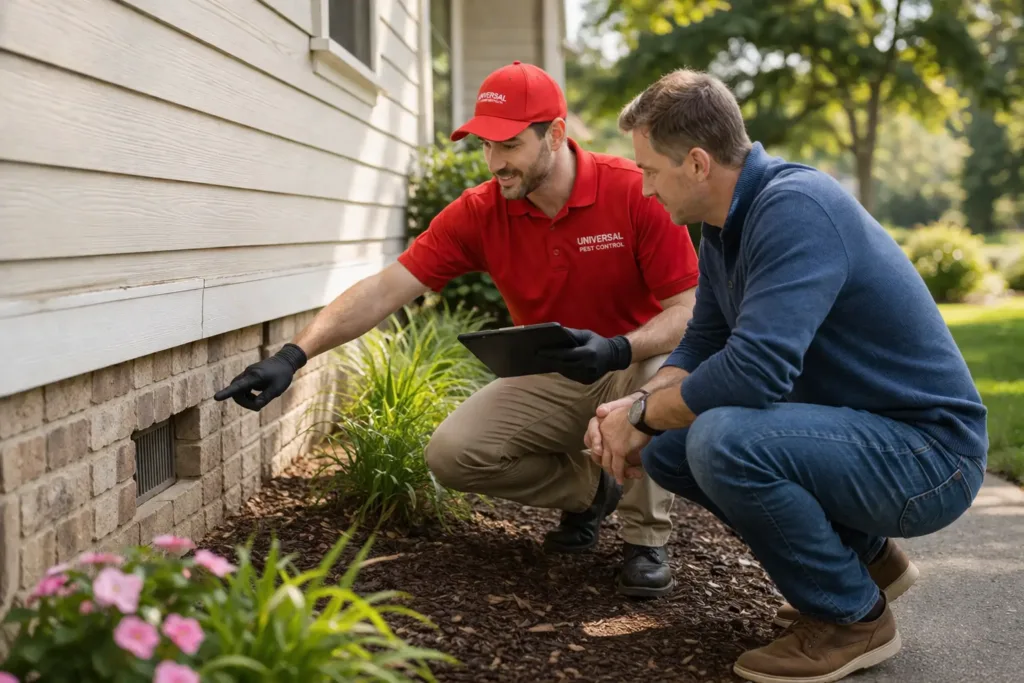
Start by inspecting common entry points around your home. Look closely at the roofline, foundation corners, and areas where cables enter the structure. Use caulk to seal cracks and install weatherstripping where doors and windows no longer sit tight.
For rodent entry points, pack openings with steel wool before sealing to create a rodent-proof barrier. Exclusion work makes a major difference in controlling pests in and around your home.
When you seal entry points early, you prevent a mouse problem or rodent infestation from starting in the first place.
Keep Food Sources and Nesting Sites Under Control
Even a well-sealed home can attract pests if food sources remain available.
In Lake Taylor homes and throughout Norfolk, we often see pet food left in open bowls overnight. That alone can trigger a mouse infestation or attract cockroaches.
Store dry goods and pet food in sealed containers. Wipe counters daily and vacuum crumbs from crevices and baseboards. Do not forget storage areas and garages. Rodents seek nesting sites in cluttered corners, especially during the cooler months in Hampton Roads.
Outside, keep trash bins closed tightly and avoid letting debris build up near the foundation.
Clean gutters regularly to prevent moisture from collecting near the home. Standing water around downspouts invites insects, while clogged gutters create damp conditions that attract termite activity.
Inspect Your Crawl Space and Foundation
In Tidewater, moisture plays a major role in pest activity.
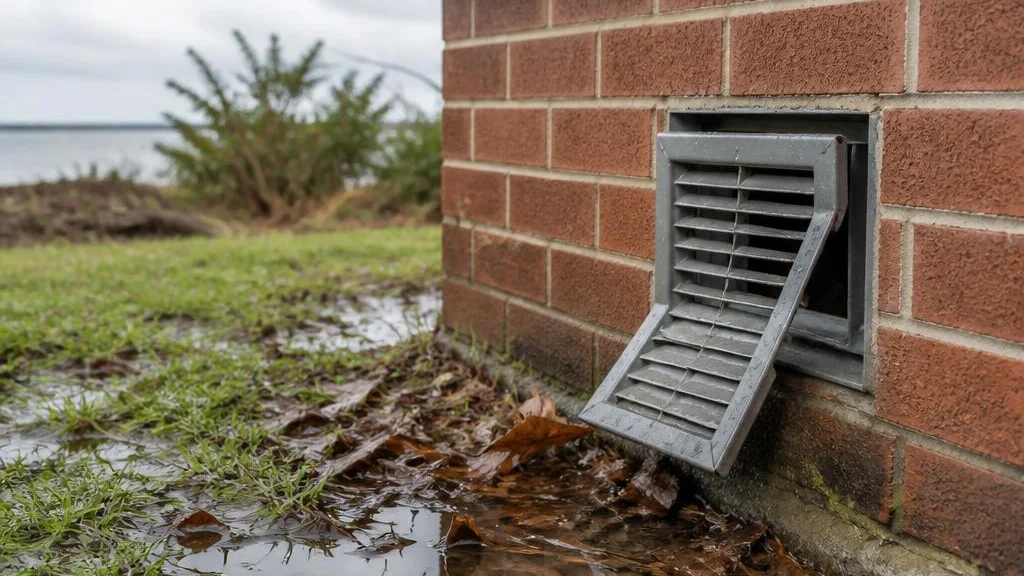
Many homes in Norfolk and nearby communities have crawl space foundations. If that area stays damp, it becomes attractive to rodents, termites, and other pests.
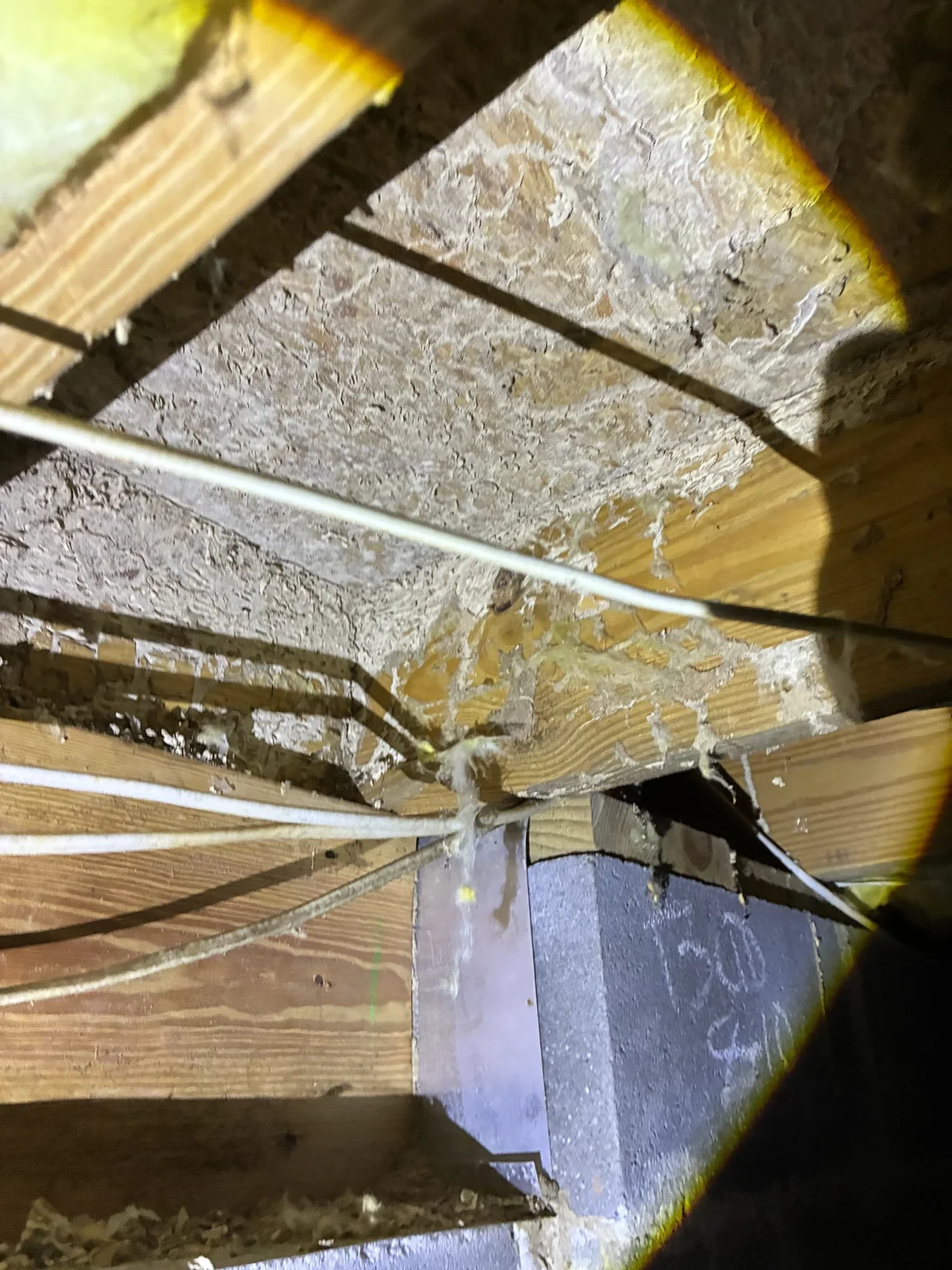
Check your crawl space for excess humidity, wood-to-soil contact, and visible droppings.
Termite colonies thrive in moist wood, and early termite control depends on spotting subtle warning signs. You October see mud tubes along piers or damaged wood framing before you ever notice insects.
Proper ventilation, moisture barriers, and regular inspections keep this space dry and less inviting. When homeowners ignore the crawl space, small issues often turn into larger pest problems that require extensive pest control services later.
Address Rodent Issues Quickly and Properly
When customers try DIY methods to get rid of mice, they often focus only on mouse traps. While traps play a role in mouse control, they do not solve the root problem. If rodent entry points remain open, new mice replace the ones you remove.
Look for signs such as droppings along baseboards, scratching sounds in walls, or gnawed packaging in cabinets. Those signs indicate a rodent infestation that needs immediate attention. A mouse infestation can spread quickly because mice reproduce fast and hide well.
Effective rodent control combines exclusion, sanitation, and targeted trapping. Avoid relying only on repellents, since they rarely eliminate an established mouse problem.
If activity continues, contact a pest control company that understands local rodent behavior in Norfolk and across Hampton Roads.
Stay Ahead of Bed Bugs and Cockroaches
Unlike rodents, bed bugs often arrive through luggage, furniture, or guests. They do not enter through structural entry points. Instead, they hitchhike into your home and settle into mattresses, box summers, and nearby furniture.
Inspect bedding after travel and avoid bringing discarded furniture indoors. Early detection limits the spread of bed bugs and reduces treatment time. If you notice bites or small stains on sheets, act quickly.
Cockroaches also require a fast response.
Beyond being unpleasant, they increase the health risks posed by common household pests. Roach droppings and shed skins can affect indoor air quality. Clean kitchens thoroughly, eliminate moisture, and seal cracks around sinks and cabinets.
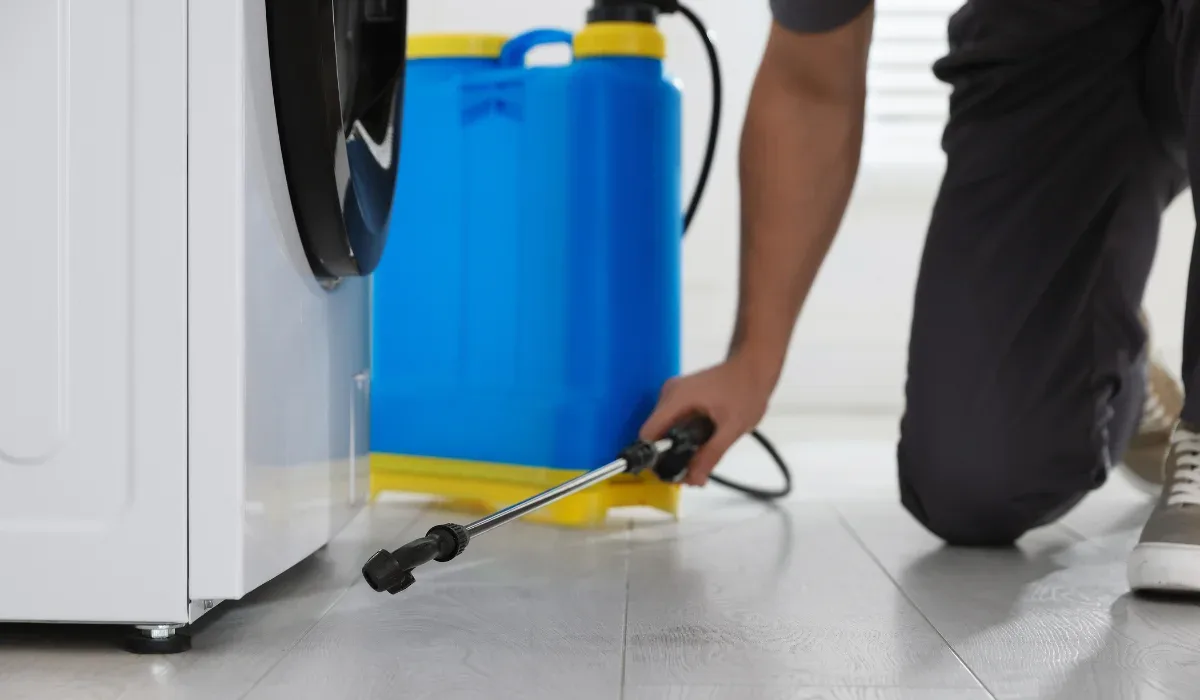
If activity continues, professional pest control offers targeted solutions that address both adults and hidden breeding sites.
Maintain Landscaping and Exterior Barriers
Your yard plays a major role in pest prevention.
Overgrown landscaping provides cover for rodents and insects. Trim shrubs away from siding and keep mulch at least a few inches from the foundation.
Check garage doors for light showing underneath. Install door sweeps where needed. Repair torn screens and monitor for new gaps along the siding. These steps reinforce exclusion efforts and reduce rodent entry points before winter arrives in Norfolk.
Regular exterior inspections support year-round pest prevention.
Many pest control myths suggest that pests disappear in colder months. In reality, they simply move indoors. Consistent maintenance keeps your property pest-free through every season in Tidewater.
Making The Right Pest Control Choice For Norfolk, VA Homes
Even when you follow these pest control tips carefully, some situations require extra support. A hidden termite colony, a persistent mouse problem, or a spreading bed bug infestation needs more than surface-level fixes.
The key is acting early. Seal entry points, remove food sources, monitor your crawl space, and stay alert for droppings or unusual activity. Those habits prevent most infestations from taking hold in the first place.
If you want added protection, Universal Pest & Termite provides reliable pest control services across Norfolk, VA, and the greater Hampton Roads area. Our team understands local pest behavior and delivers practical, year-round solutions.
When you stay proactive and contact us, pest control becomes manageable and predictable.