How Rodents Sneak into Virginia Beach Homes & Ways to Seal Them Out
Mice and rats are big issues for homeowners in Virginia Beach. This is especially true in areas like Lake Taylor. Here, older homes and coastal conditions make it easy for them to get in. These pests can squeeze through holes as small as a dime, which makes it easy for them to slip into your home. Finding and sealing these openings is a crucial part of effective rodent control.
Each year, around 21 million homes in the U.S. face rodent invasions, says the National Pest Management Association. In coastal areas like Virginia Beach, the problem becomes worse during fall and winter months when rodents look for warm shelter.
Where Mice and Rats Usually Get In
It would be best if you inspected any crevice bigger than a dime to find mouse entry points. Small rodents may be able to use these to gain entry to your house.
Check your home inside and outside, from the foundation to the roof, to find possible entry points.
Foundation and Walls
Your home’s foundation is often the first place rodents find their way inside. Look carefully where your home’s siding meets the foundation. Over time, homes settle and create small cracks and gaps. In Lake Taylor’s older neighborhoods, foundation issues are common. Many Lake Taylor homes were built before modern building codes were established, which makes small cracks and gaps more common.
Check your foundation closely. Pay extra attention to corners and spots where different materials meet. We recommend checking these areas at least twice a year, especially before fall when rodent activity increases.
Pipes and Utility Lines
Pipes entering your home create natural pathways for rodents. Look around areas where water, gas, or electrical lines enter your house. These spots often have gaps that were never properly sealed when the utilities were installed.
In Lake Taylor, older plumbing systems often leave gaps around pipe connections. If you see leaks or damage, call a licensed Virginia Beach plumber right away. Fixing plumbing issues quickly also helps reduce the moisture that attracts rodents. Check areas under sinks, behind washing machines, and where pipes go through the basement or crawl space walls.
Doors and Windows
Gaps under doors and around windows are easy entry points for small rodents. Check that the space under exterior doors is no more than a quarter-inch. Look at the weatherstripping around doors and windows to make sure it fits tightly.
Many Lake Taylor homes have original windows from decades ago. These older windows may have gaps where the frame has shifted or weatherstripping has worn away. Local building experts recommend inspecting seals around doors and windows at least once a year, especially before cooler months when rodents move indoors.
Vents and Air Conditioning Systems
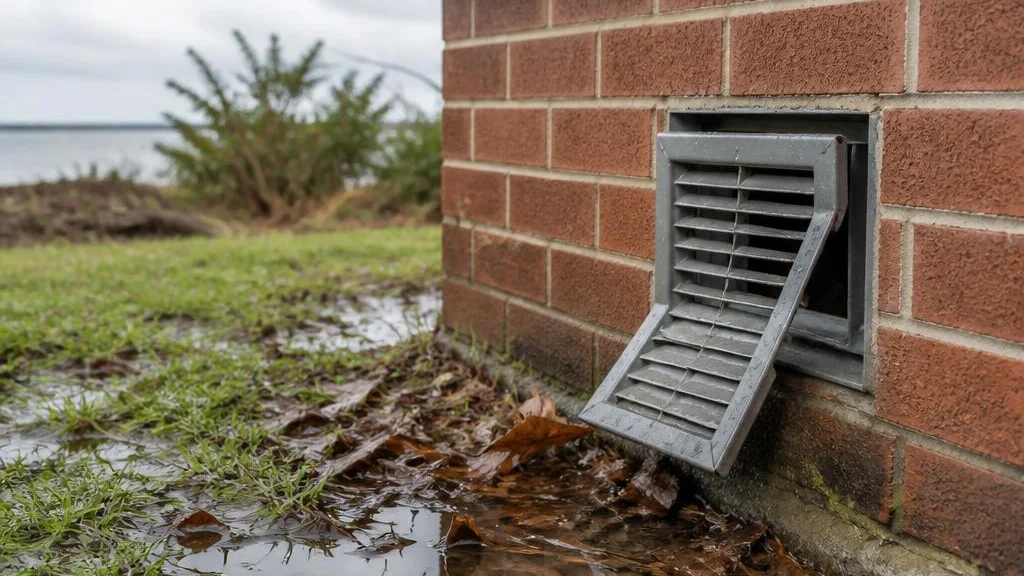
Heating and cooling vents provide direct access to your home’s ductwork. Check all exterior vents to make sure they have tight-fitting screens or covers. Look for damaged or missing vent covers, especially those near ground level.
Air conditioning units create several potential entry points. In Virginia Beach’s humid climate, air conditioners run often. The condensate drain line can leave small gaps where it exits your home, making it an easy target for rodents looking for water.
Roof Areas and Attic Access
Rodents are excellent climbers and often enter homes through the roof areas. Check your roof line for gaps in soffits, damaged roof vents, or openings where roof sections meet. Tree branches touching your roof create easy pathways for rodents to reach these entry points.
Many Lake Taylor homes have mature oak and pine trees that can provide “bridges” to your roof. The Virginia Beach Parks and Recreation Department recommends keeping tree branches at least six feet away from roof lines to prevent pest access.
Garage Doors
Garage door seals wear out over time, especially in Virginia Beach’s coastal environment, where salt air can cause faster deterioration. Check the rubber seals along the bottom and sides of your garage door. Look for chew marks or damaged areas where rodents might have created their own entry points.
How to Identify Active Entry Points
Not every gap in your home is currently being used by rodents. Learning to identify active entry points helps you focus your sealing efforts where they’re needed most.
Look for Droppings
Fresh rodent droppings are dark and soft, while older droppings become gray and crumble easily. Mouse droppings are small and pointed, about the size of rice grains. Rat droppings are larger and more oval-shaped. Finding fresh droppings near potential entry points tells you rodents are actively using that area.
Check for Grease Marks
Rodents have oily fur that leaves dark smudges along walls and entry points they use regularly. These grease marks, also called “rub marks,” appear along baseboards, around holes, and on vertical surfaces near entry points.
Use Talcum Powder Test
The Centers for Disease Control and Prevention (CDC) recommends sprinkling talcum powder or flour near suspected entry points. After 24 hours, check for footprints or disturbed powder. This simple test helps identify which openings rodents are actually using.
Listen for Sounds
Rodents are most active at night. Listen for scratching, scurrying, or gnawing sounds in walls, ceilings, or crawl spaces. These sounds often occur near active entry points and can help you locate problem areas.
Professional Sealing Methods
Small Holes and Gaps
For openings smaller than a quarter-inch, use high-quality caulk designed for exterior use. In Virginia Beach’s humid climate, choose caulk that resists mold and moisture. Clean the area thoroughly before applying caulk, and smooth it to prevent rodents from gripping the surface.
Medium-Sized Openings
Holes between a quarter-inch and two inches need stronger materials. Steel wool works well because rodents cannot chew through it. Pack steel wool tightly into the opening, then seal it with caulk or expanding foam. The University of California Agriculture and Natural Resources recommends using coarse steel wool, as fine steel wool can be pulled out more easily.
Large Openings
Bigger gaps need hardware cloth, metal sheeting, or cement repairs. Hardware cloth with quarter-inch mesh stops rodents while allowing airflow for vents. Secure it with screws or heavy-duty staples, making sure edges are flush against the surface.
Pipe and Utility Entry Points
Where pipes enter your home, use expanding foam designed for pest control. These foams contain ingredients that discourage chewing. For larger pipe openings, install pipe collars or escutcheon plates to close gaps around the pipe circumference.
Virginia Beach-Specific Prevention Tips
Dealing with Coastal Moisture
Virginia Beach’s humid climate creates moisture problems that attract rodents. Use dehumidifiers in basements and crawl spaces to reduce humidity below 50%. Fix any leaks promptly, as standing water provides drinking sources for pests.
After major storms, check your home’s siding, vents, and roof for new gaps. The City of Virginia Beach Emergency Management offers storm-prep and recovery guides for homeowners.
Storm Damage Prevention
Coastal storms can damage your home’s exterior and create new entry points. After hurricanes or severe weather, inspect your home’s exterior for new cracks, damaged vents, or loose siding. The Virginia Beach Emergency Management provides post-storm inspection checklists for homeowners.
Landscaping Around Lake Taylor Homes
Keep vegetation trimmed back from your home’s exterior. Many Lake Taylor properties have mature landscaping that can hide entry points and provide cover for rodents. Maintain a clear zone of at least three feet around your home’s foundation.
Maintaining Your Rodent Barriers
Sealing entry points is not a one-time job. Regular maintenance keeps your barriers effective over time. Inspect sealed areas every few months, especially before fall when rodent activity increases.
Check caulked areas for cracks or shrinkage. Replace worn weatherstripping around doors and windows. Clean leaves and debris from vent screens and drain areas. In Virginia Beach’s coastal environment, salt air can corrode metal barriers faster than in inland areas, so metal sealing materials may need more frequent inspection.
Cost-Effective Solutions for Lake Taylor Homeowners
Many entry point sealing projects cost less than $50 in materials and can be completed in a weekend. This small investment prevents much more expensive damage from rodent infestations. Rodents can damage insulation, electrical wiring, and stored items, costing hundreds or thousands of dollars to repair.
Compare the cost of sealing materials to the expense of ongoing pest control treatments or damage repairs. Most hardware stores in Virginia Beach carry the materials needed for basic sealing projects.
When to Call A Pest Control Specialist
If you’ve already sealed the obvious gaps but still notice signs of mice or rats—like scratching noises in the walls, droppings in the kitchen, or chewed wires—it’s time to call a professional. Some entry points are hidden in crawl spaces, attics, or behind walls where DIY fixes won’t reach.
In Lake Taylor and across Virginia Beach, Universal Pest Control has over 20 years of experience helping homeowners keep their houses rodent-free. Our team can find the hidden spots where rodents get in and seal them the right way. We also check areas around garages, sheds, and crawl spaces that are easy to overlook.
Do not put up with rodents in your Virginia Beach home any longer—get in touch with a professional agency -Universal Pest Control. In addition to rats and termites, we also get rid of bedbugs. Authorized by the BBB.